NSW launches $15,000 zero-interest loans for rooftop solar, home batteries

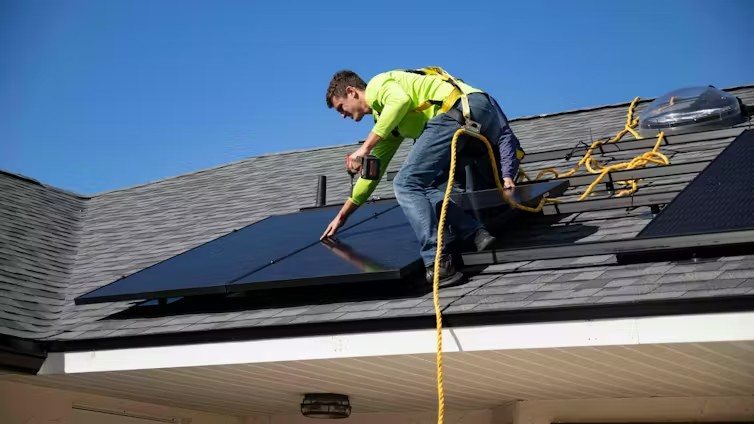
Interest-free loans of up to $15,000 (USD 10,600) are being offered by the New South Wales (NSW) government to encourage the uptake of renewable energy measures like solar panels and household batteries and boost the clean energy rollout.
NSW households with a combined taxable income of $210,000 or less can now apply for a 10-year loan of up to $15,000 at zero interest to install energy-saving and cost-cutting upgrades.
The $480 million commitment, that is expected to benefit at least 32,000 households, is part of a $557 million package to be included in next week’s NSW state budget.
In addition to loans, the program will later this year provide discounts of up to $4,000 to households with a combined annual income of up to $80,000, or eligible concession card holders, looking to upgrade with energy-saving measures. This is a $77 million commitment.
Renters will be able to access the payments provided that their landlord approves the upgrade.
In addition, eligible households will be able to use the state program on top of the federal government’s Cheaper Home Batteries Program, that offers about a 30% discount on the upfront cost of installing typical small-scale battery systems alongside new or existing rooftop solar.
NSW Premier Chris Minns said the state program is a practical way to make energy efficiency upgrades significantly more affordable.
“For many households, the upfront cost of these upgrades has simply been too high,” he said. “We’re stepping in to help where we can, so more families can access technology … while making sure NSW has a more reliable and secure energy system for the future.”
Eligible home improvements include rooftop solar, battery energy storage systems, electric vehicle chargers, switchboard upgrades and solar water heaters. The program also covers induction cooktops, DC ceiling fans, reverse cycle air conditioning, ceiling insulation, draught-proofing and double glazing.
Smart Energy Council Chief Executive Officer David McElrea labelled the program “a massive win for households.”
“Helping lower-income earners and renters to overcome the cost barrier to modernising their homes with smart solar, batteries, efficient cooling and heating is the fastest way to permanently drive down household expenses while building a more resilient grid,” he said.
This content is protected by copyright and may not be reused. If you want to cooperate with us and would like to reuse some of our content, please contact: [email protected].

Please login to comment