Joint venture to close energy and capital gap for grid-constrained projects

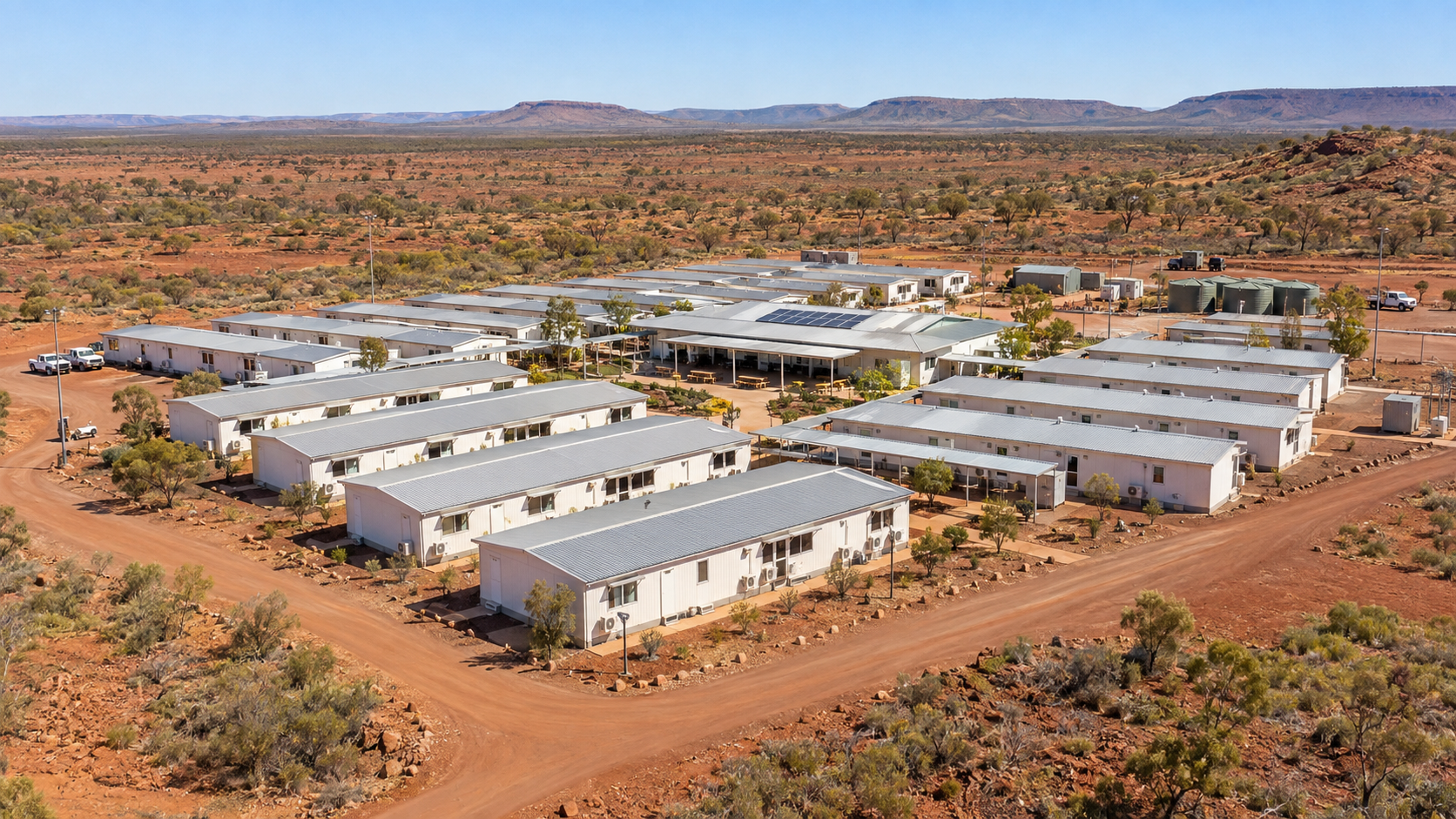
Australian battery energy storage company EORA Energy has entered into a joint venture (JV) with Australian resources investment entity the Tulla Group to progress a pipeline of opportunities in mining, data centres, distribution networks, hydro generation, and remote communities.
The companies plan to focus beyond EORA’s expertise in battery solutions to design, supply, finance and integrate battery solutions with high-efficiency generation, solar and intelligent energy management systems.
The JV will kick off on a fully-integrated system combining battery storage, solar, existing diesel generation and grid supply co-ordinated by an energy and optimisation management system designed to reduce generator run-hours, fuel consumption and peak demand.
The project site is the Tulla Group’s Norseman gold mine accommodation operation in the Western Australian Kalgoorlie / Goldfields region, 188 kilometres south of Kalgoorlie and 639 kilometres east of Perth.
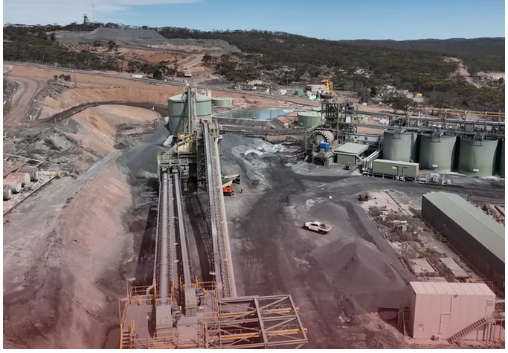
EORA Energy Chief Executive Officer James Costello said a gap exists between the availability of energy technologies and capital and the ability to turn viable projects into operating assets.
“By bringing together generation, storage, intelligent controls and private capital, we can develop projects that are technically robust, financially viable and capable of being deployed much faster,” Costello said.
“Our partnership with Tulla Group is designed to do exactly that by combining technology, project development expertise and capital to deliver energy infrastructure for customers that need reliable power.”
Tulla Group Chairman and Founder Kevin Maloney said there is no shortage of technology or potential projects in Australia.
“The challenge is turning those opportunities into investable projects that can actually get built. We need to find ways to mobilise private capital alongside government programs and industry capability to create greater investment certainty,” Maloney said.
EPC and Energy-as-a-service
The JV is also paving the way to develop EPC and energy-as-a-service (EasS) capabilities.
The EasS model will be designed to reduce the challenge of aquiring upfront capital to install new energy infrastructure.
Under the model, project capital would be used to fund the required infrastructure with customers paying through an agreed service charge or a share of the resulting energy savings.
Costello said the approach reflects a broader shift in the way energy infrastructure would be developed and financed moving forward.
“Our objective is to make it easier for businesses to access reliable and lower-cost energy infrastructure without having to solve every technology, financing and integration challenge themselves,” Costello said.
This content is protected by copyright and may not be reused. If you want to cooperate with us and would like to reuse some of our content, please contact: [email protected].

Please login to comment