No late-stage growth capital for battery materials manufacturing risks billions

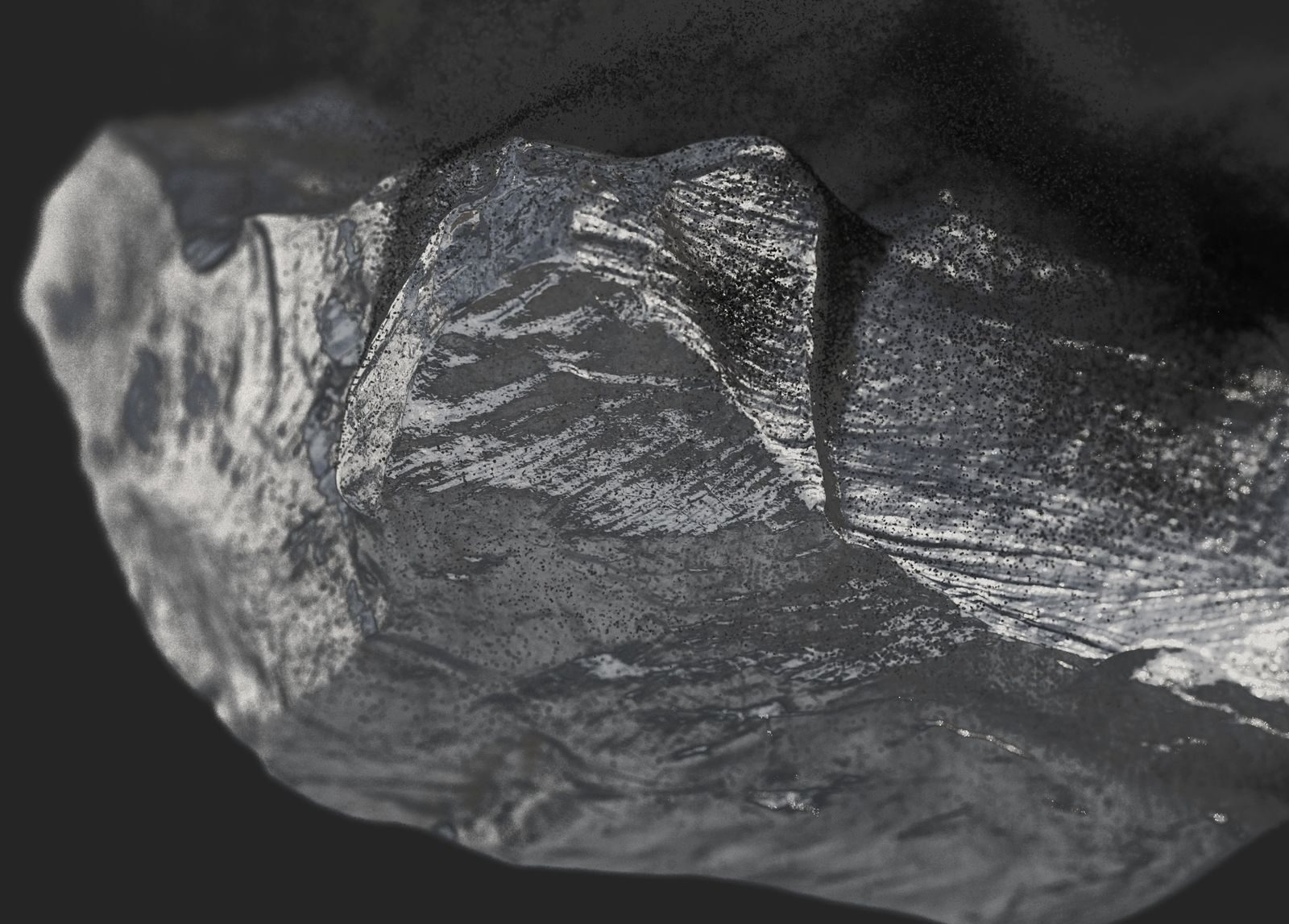
New South Wales (NSW)-headquartered Sicona Battery Technologies (SBT) is calling for late-stage growth capital to fund critical minerals and battery materials manufacturing in Australia or miss out on a forecast $16.9 billion annual value-add.
The company cited examples of backing received in other countries such as a competitor in the United Kingdom (UK) Nexeon, which attracted a $100 million (USD 69.3 million) commitment from the UK National Wealth Fund, and Sila Nanotechnologies in the United States (US), which was offered a $2 billion (USD 1.4 billion) conditional loan from the US Department of War’s Office of Strategic Capital.
Sicona believes increased local capital will be critical to the construction of onshore Australian battery materials plants in a country where the lithium-ion supply chain begins. In 2023, 45% of the world’s lithium was produced in Australia, despite making less than 1% of global battery materials or components.
The Australian Renewable Energy Agency (ARENA) Battery Breakthrough Initiative (BBI) has awarded Sicona $45 million towards building its first commercial-scale silicon-carbon anode facility inside BlueScope’s Port Kembla precinct, but $55 million more of equity capital to complete the facility is required.
The project could increase production 300-fold to 230 tonnes a year and create up to 72 skilled manufacturing jobs.
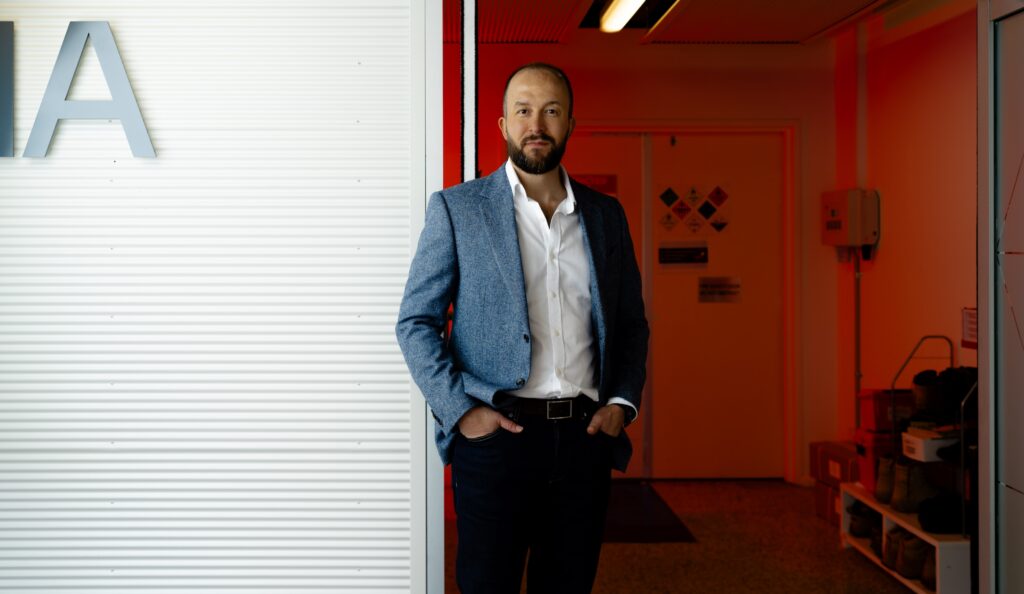
SBT Founder and Chief Executive Officer Christiaan Jordaan said Australia has the foundations in place with the National Reconstruction Fund (NRF) picking up where the BBI has left off, and its “renewables and low emission technologies” priority area expected to carry the next stage of Australian battery manufacturing construction finance.
“We have the technology, we have been through ARENA’s diligence, and we have the site at Port Kembla, so Australia is closer to a working silicon-carbon anode plant than most people realise,” Jordaan said.
“The opportunity in front of us is to move at the same speed the UK and the US are moving, and to back the projects that are ready to build now.”
Jordaan battery manufacturing in Australia repeatedly stalls at the same point, where grants and venture capital deliver proponents to pilot scale but construction finance has to come from somewhere, and the countries moving quickest on that step are the ones building the plants.
Sydney-based impact investment firm NOAB Ventures Director John Wood said the pattern Sicona describes shows up right across the portfolio he invests in.
“Where seed and venture money takes a company to the point of building something and construction finance becomes the hard part,” Wood said.
“Australia has built genuine strength in inventing this technology, and the opportunity now is to back it through to manufacturing rather than watching another country fund the factory. Sicona has done the hard part already, and projects at that stage are exactly where faster decisions and a higher risk appetite pay off.”
This content is protected by copyright and may not be reused. If you want to cooperate with us and would like to reuse some of our content, please contact: [email protected].

Please login to comment