Research & Development

Australia is home to some of the world’s leading solar research institutions, including UNSW and ANU, which have pioneered advances in PV efficiency and sustainable energy systems. This category reports on cutting-edge R&D in solar cell technology, materials science, energy storage, hydrogen production, and system integration. It also covers government and industry-funded innovation programs, pilot projects, and university spin-offs. As Australia works toward a decarbonised future, research and innovation remain critical to overcoming technical, environmental, and economic challenges in solar deployment at scale.
Advertisement
Advertisement
Advertisement
Latest News
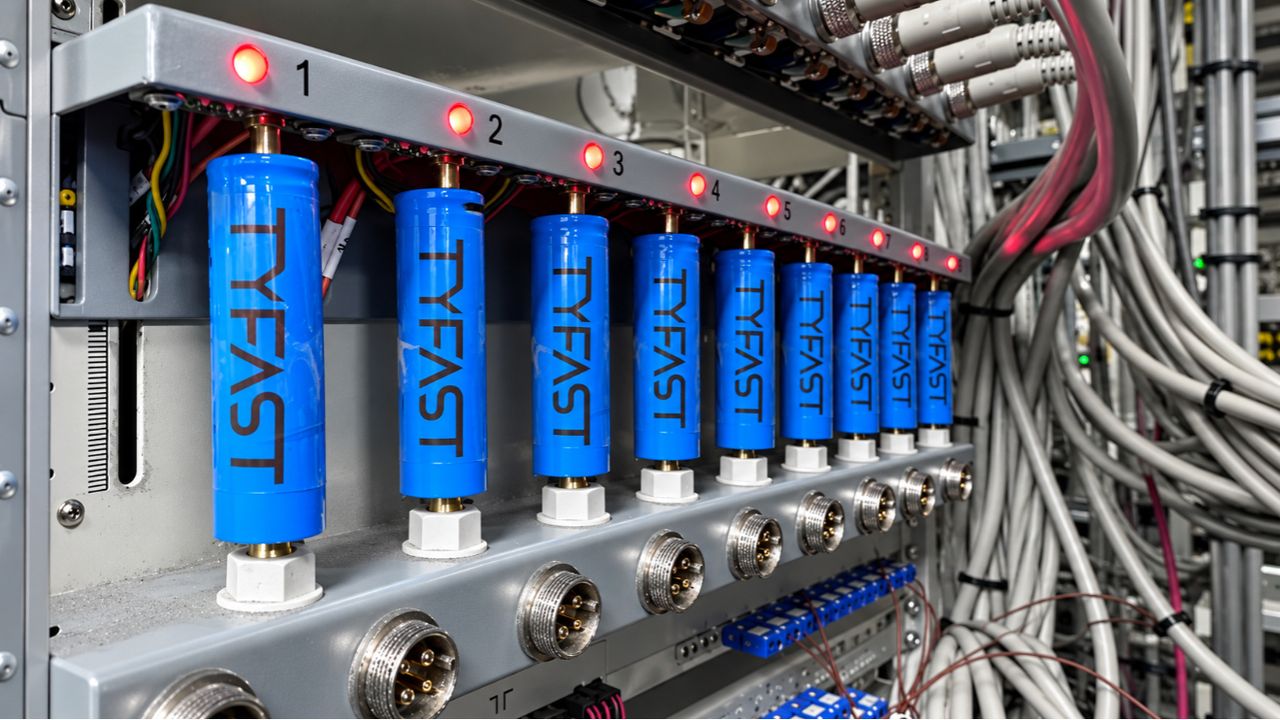
AVL teams with US company to test Australian vanadium for heavy-duty batteries
Australian Vanadium Limited has teamed with United States-headquartered battery technology company Tyfast Energy to evaluate Australian vanadium for use in fast-charging lithium-ion batteries targeting mining, trucking, construction and defence applications.
Oct 12, 2026
Advertisement

Researchers reduce losses in organic solar cells by restricting emission angle
Spanish researchers have developed an optical cavity that reduces Boltzmann losses in organic solar cells by restricting photon emission angles. The approach could help push single-junction solar cell efficiencies beyond the Shockley-Queisser limit.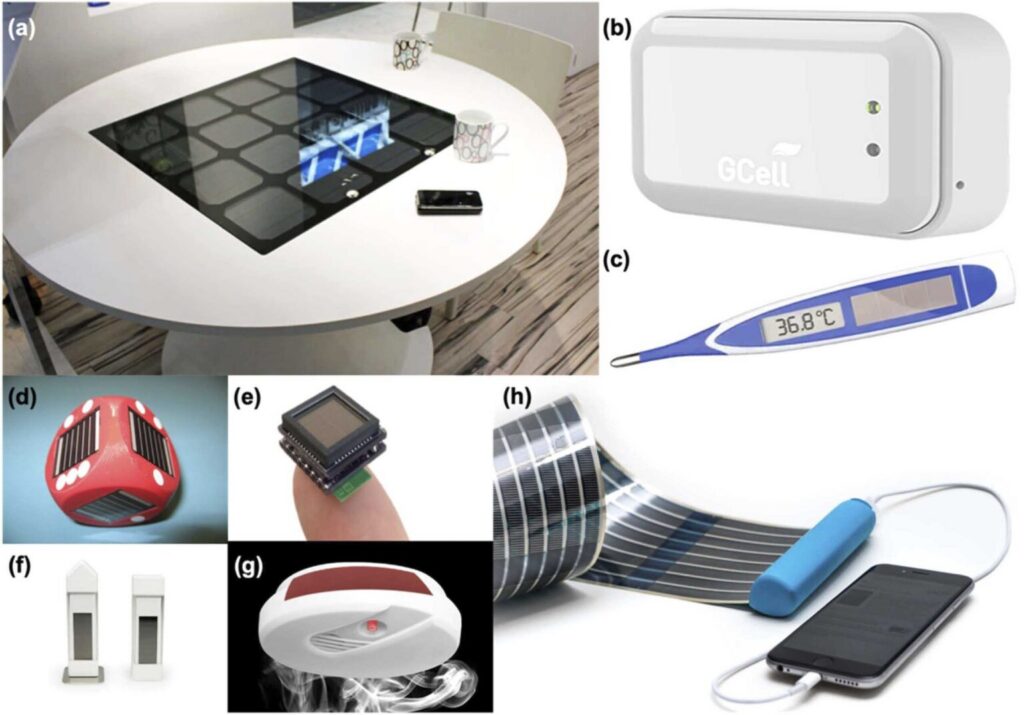
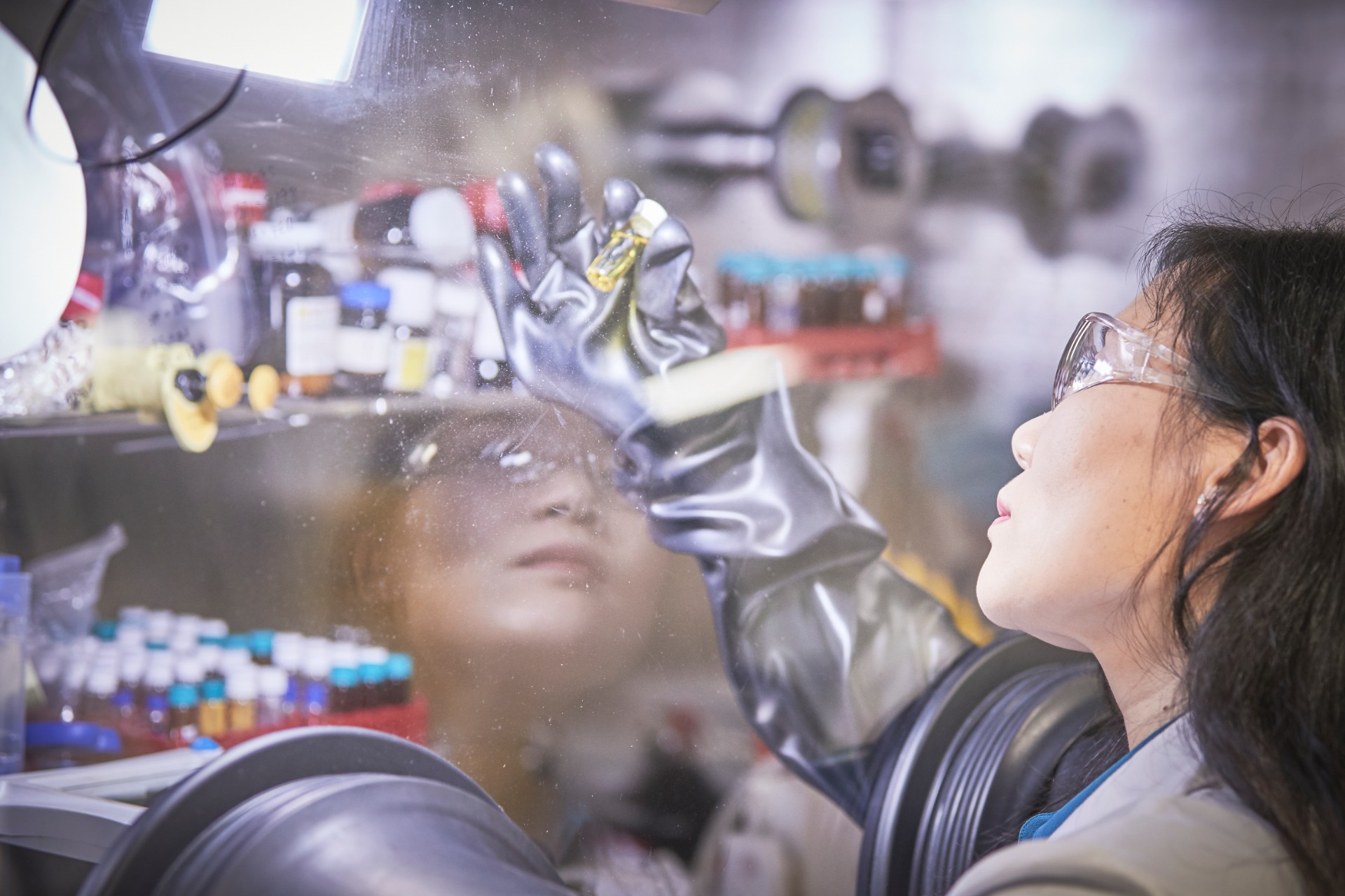
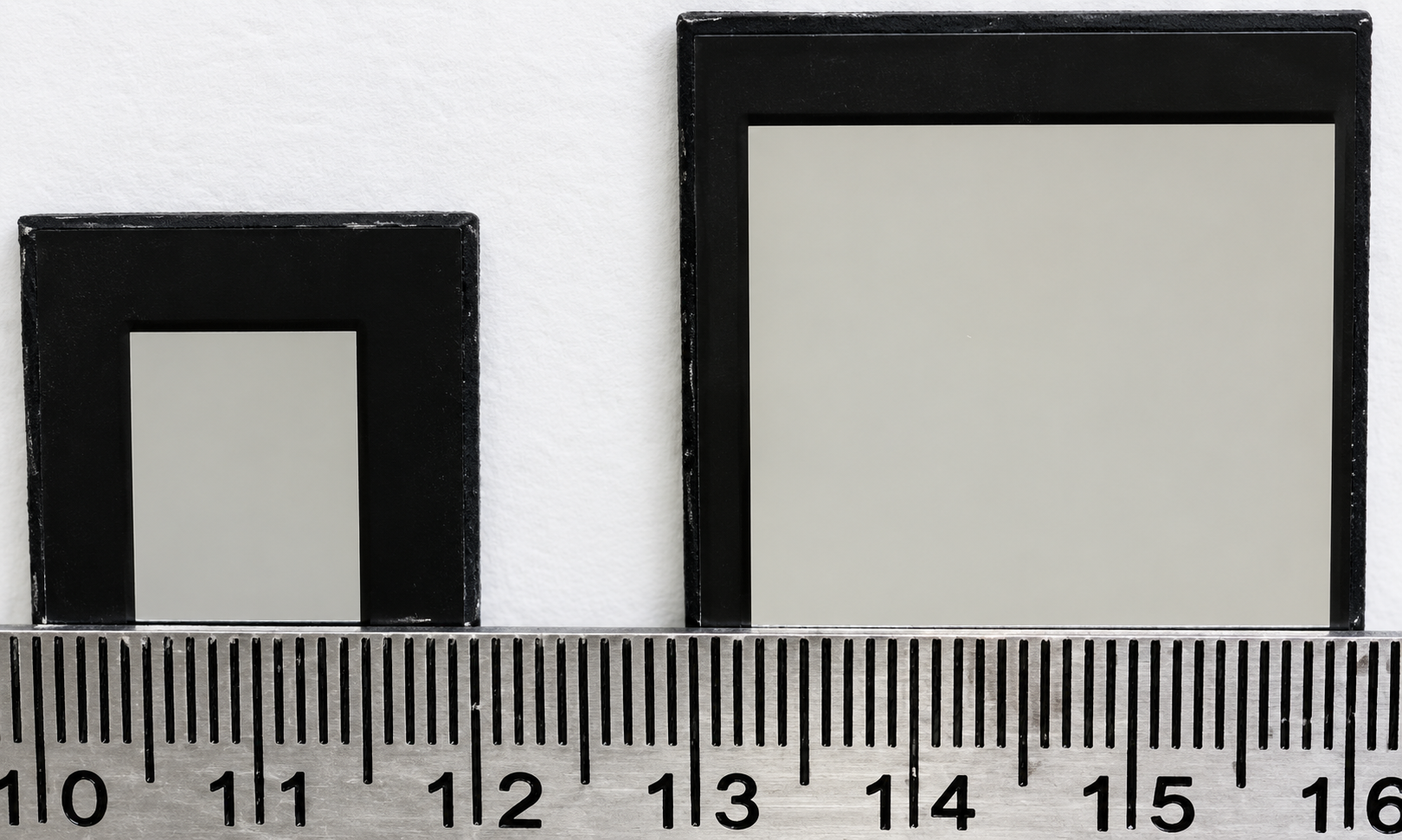
Mixed self-assembled monolayer enables 18.88% efficiency in 5.2 cm² inverted perovskite solar cell
Researchers in India have developed an inverted perovskite solar cell based on a mixed self-assembled monolayer that improves film quality, charge transport, and device stability. The cell achieved an efficiency of 18.88% on an active area of 5.2 cm², with a relative efficiency loss of only about 7% compared with smaller devices.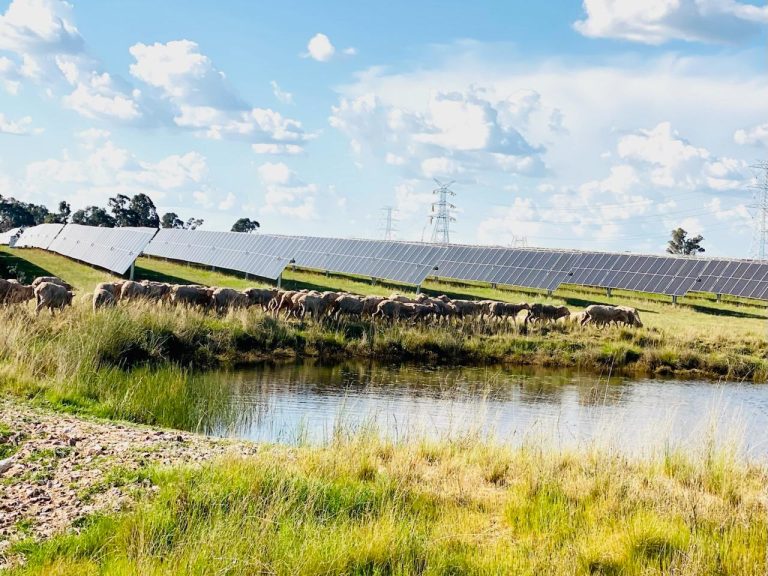
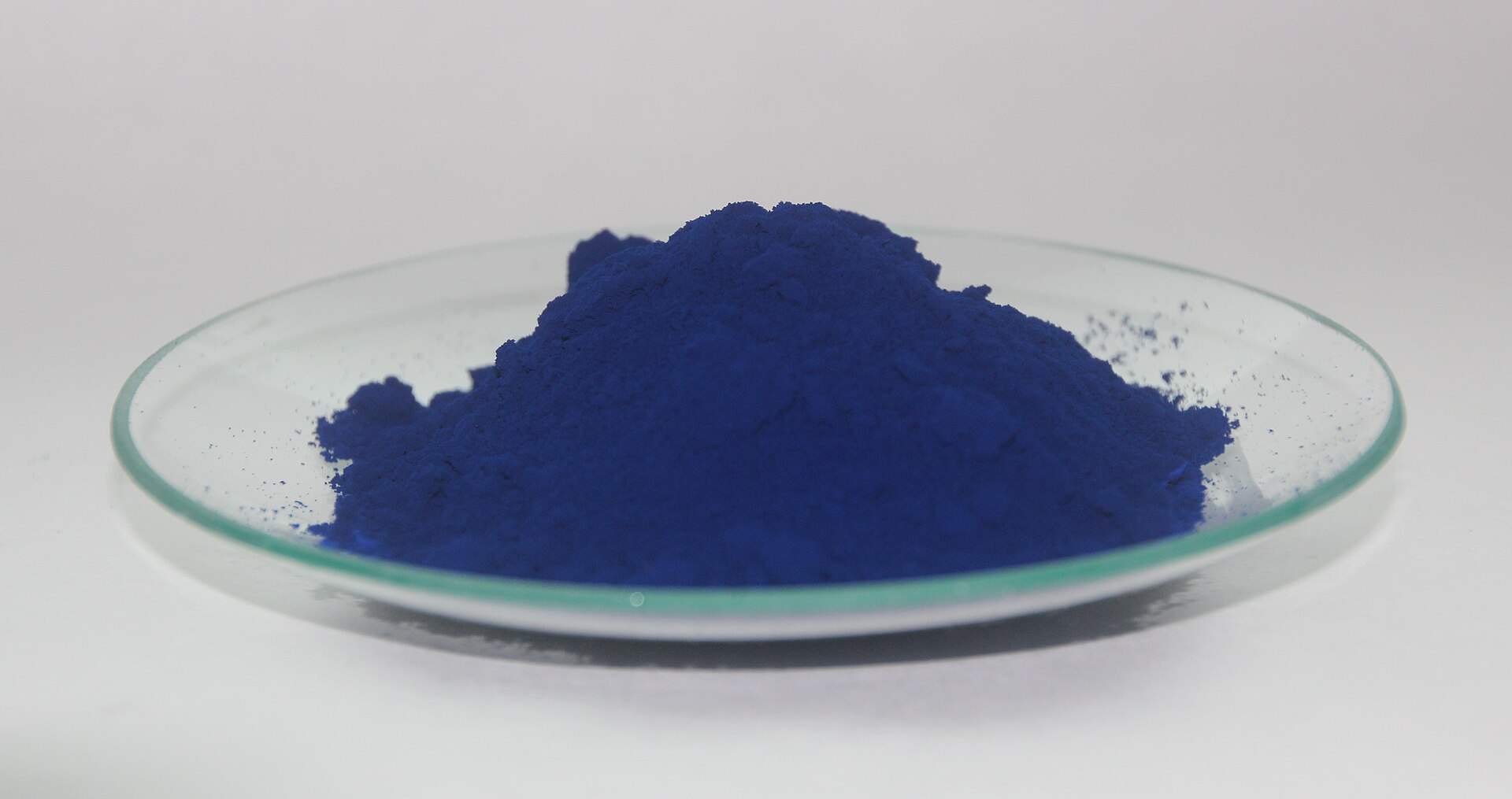
Perovskite solar cell based on Prussian blue achieves 26.9% efficiency
Researchers have used Prussian Blue nanoparticles to improve the efficiency and stability of perovskite solar cells, achieving efficiencies of up to 26.9%. The approach also enabled the fabrication of large-area modules with certified efficiencies of 22.9% and promising results in accelerated ageing and outdoor stability tests.
Advertisement
All Research & Development news
AVL teams with US company to test Australian vanadium for heavy-duty batteries
Australian Vanadium Limited has teamed with United States-headquartered battery technology company Tyfast Energy to evaluate Australian vanadium for use in fast-charging lithium-ion batteries targeting mining, trucking, construction and defence applications.
Researchers reduce losses in organic solar cells by restricting emission angle
Spanish researchers have developed an optical cavity that reduces Boltzmann losses in organic solar cells by restricting photon emission angles. The approach could help push single-junction solar cell efficiencies beyond the Shockley-Queisser limit.
Advertisement
Mixed self-assembled monolayer enables 18.88% efficiency in 5.2 cm² inverted perovskite solar cell
Researchers in India have developed an inverted perovskite solar cell based on a mixed self-assembled monolayer that improves film quality, charge transport, and device stability. The cell achieved an efficiency of 18.88% on an active area of 5.2 cm², with a relative efficiency loss of only about 7% compared with smaller devices.
Advertisement
Perovskite solar cell based on Prussian blue achieves 26.9% efficiency
Researchers have used Prussian Blue nanoparticles to improve the efficiency and stability of perovskite solar cells, achieving efficiencies of up to 26.9%. The approach also enabled the fabrication of large-area modules with certified efficiencies of 22.9% and promising results in accelerated ageing and outdoor stability tests.
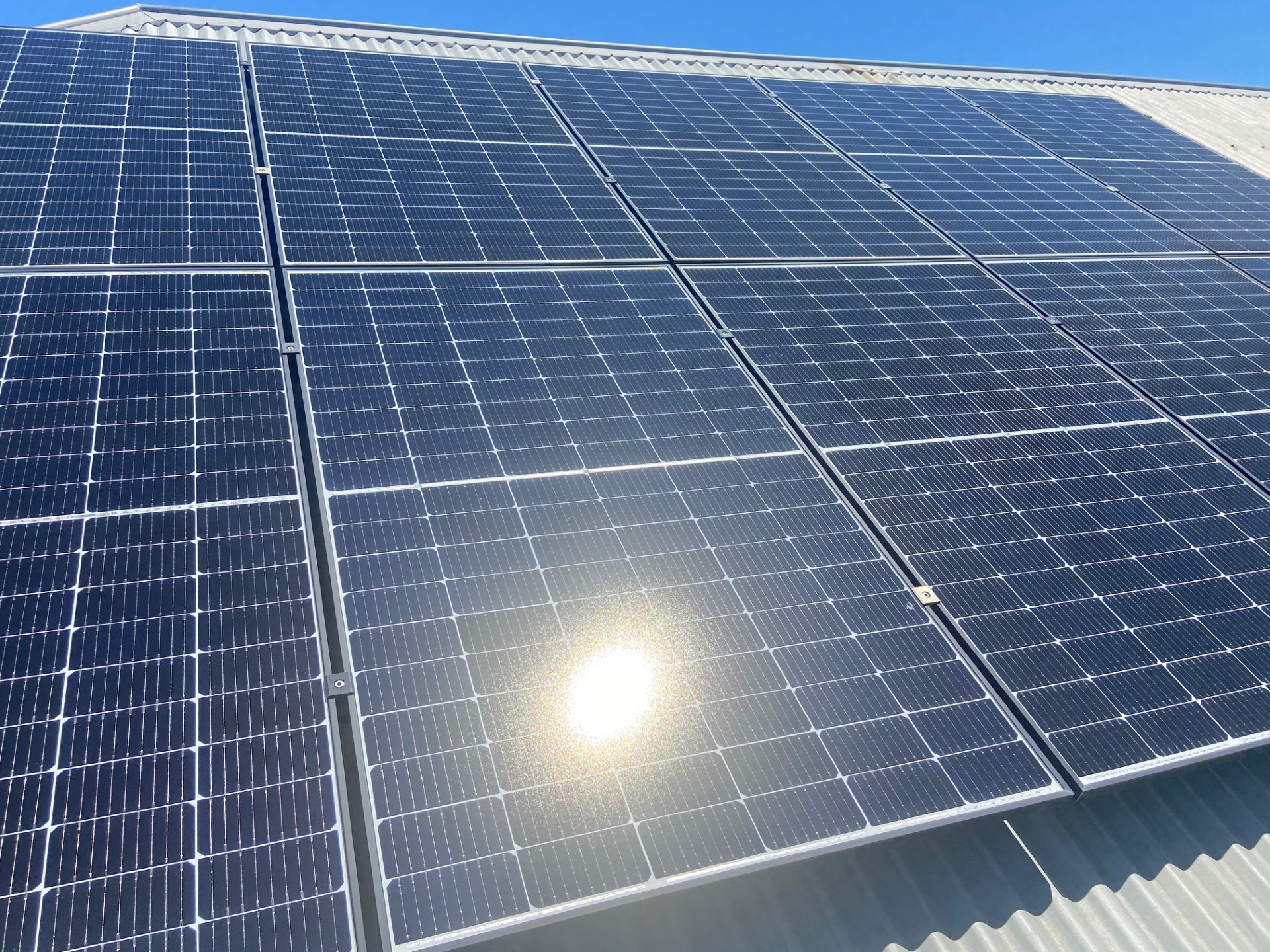
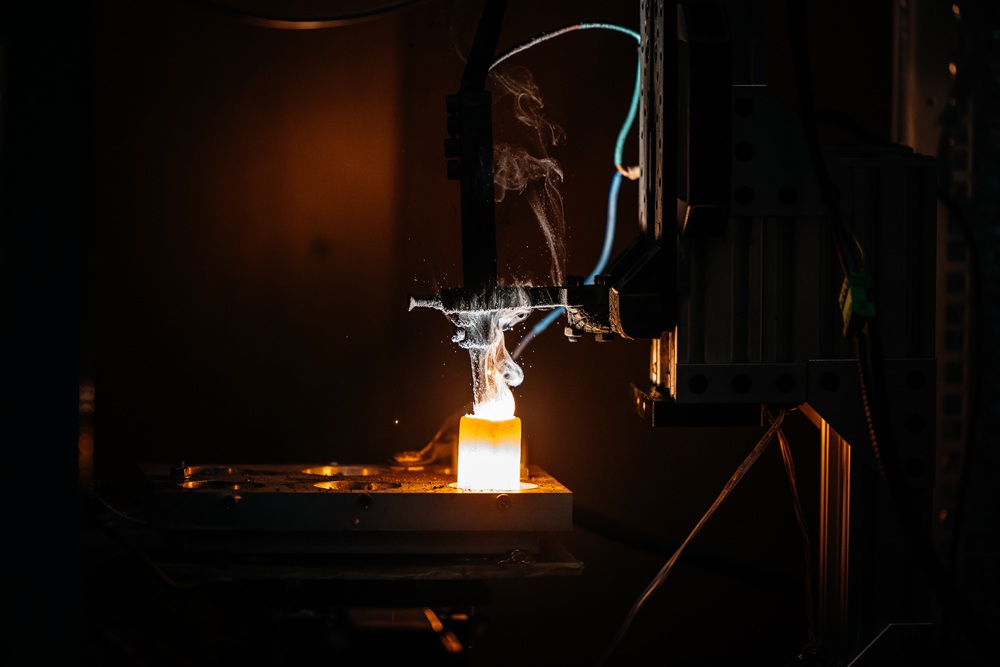
Two-stage pyrolysis process turns waste solar panels into silicon carbide
Russian scientists have developed a process that combines pyrolysis at 500 C with electric arc treatment above 1,800 C. The resulting solid product contained up to 61% silicon carbide, a material used in power electronics and refractory ceramics.
Advertisement