Author
ccomas
Advertisement
Articles written by ccomas
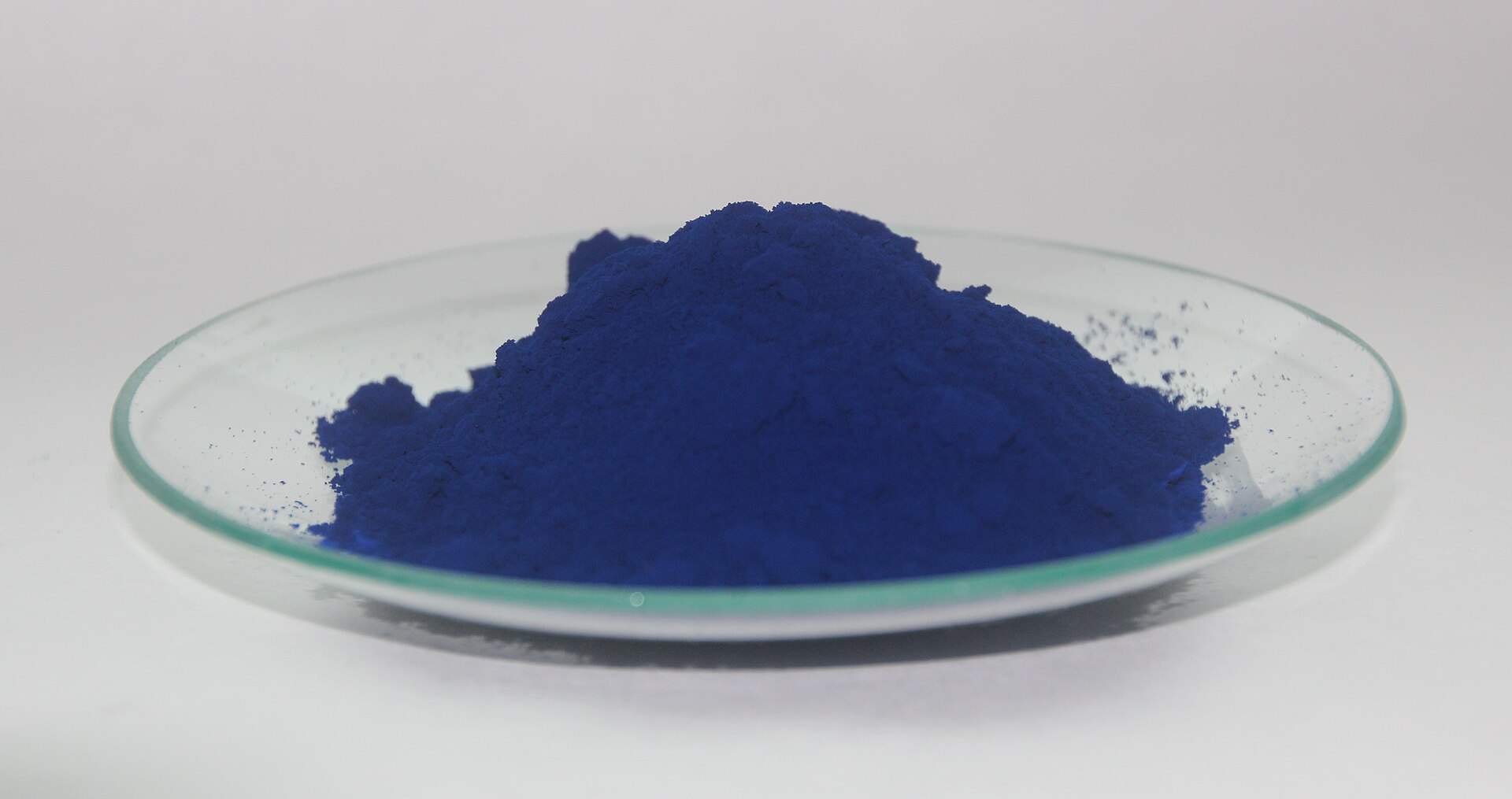
Perovskite solar cell based on Prussian blue achieves 26.9% efficiency
Researchers have used Prussian Blue nanoparticles to improve the efficiency and stability of perovskite solar cells, achieving efficiencies of up to 26.9%. The approach also enabled the fabrication of large-area modules with certified efficiencies of 22.9% and promising results in accelerated ageing and outdoor stability tests.
1 hour ago
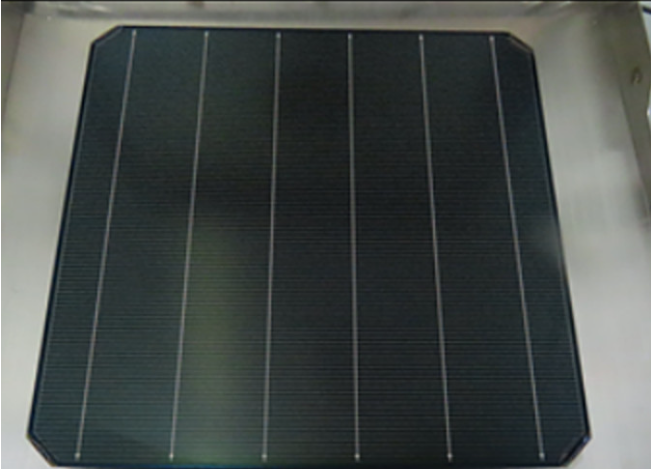

Modified consumer camera can measure solar cell open-circuit voltage
German researchers have modified and calibrated a low-cost consumer camera to quantitatively measure electroluminescence from silicon solar cells and modules. The method determines external luminescent quantum efficiency and uses it to derive the corresponding open-circuit voltage
Advertisement
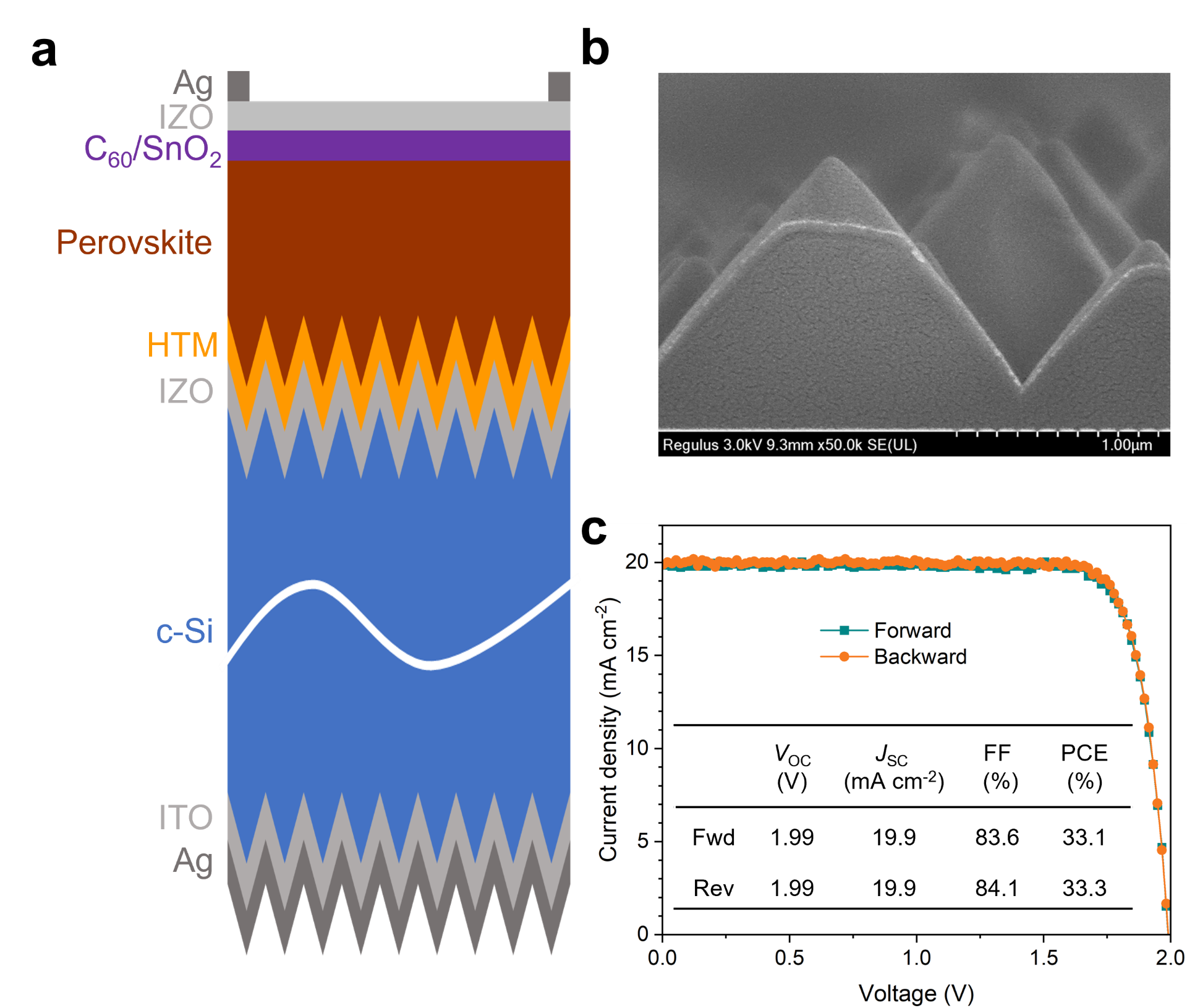
Scientists build 33.3%-efficient perovskite-silicon tandem solar cell processed in ambient air
Chinese researchers developed a PNCC polymer hole-transport layer that enables efficient and stable perovskite solar cells to be fabricated under ambient conditions. The material was used in a perovskite-silicon tandem cell that achieved 33.3% efficiency and a certified efficiency of 33.0%.

Researchers build 27.39%-efficient inverted perovskite solar cell based on new molecular design
Chinese researchers have developed a molecular additive that reduces defects in perovskite solar cells, enabling a power conversion efficiency of 27.39%. The approach was also used in bifacial mini-modules with efficiencies above 22% and 99.6% power retention after more than 5,000 hours of continuous operation.

New research confirms negligible LeTID degradation in TOPCon solar cells
Researchers have found that light- and elevated-temperature-induced degradation (LeTID) has a limited impact on n-type TOPCon solar cells compared with earlier p-type PERC technology. Optimized firing conditions and laser-enhanced contact optimisation can further suppress degradation, with industrial TOPCon cells showing efficiency losses within acceptable warranty tolerances.
Advertisement
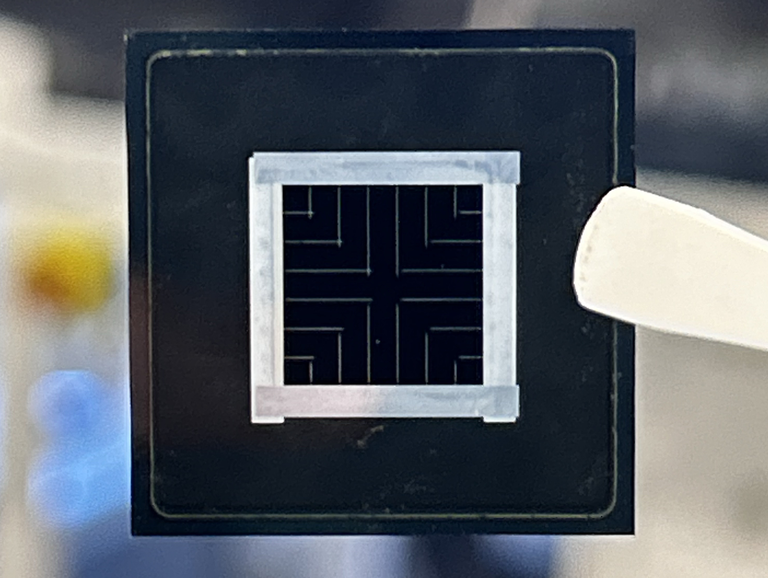
Solvent-free perovskite-silicon tandem solar cell achieves 27.3% efficiency
German researchers have developed a fully solvent-free perovskite-silicon tandem solar cell using sequential evaporation, achieving a power conversion efficiency of 27.1%. The scalable approach also demonstrated significant stability, retaining 97.06% of its initial efficiency after 6,800 hours of dark storage under nitrogen.

AZO-based HJT solar cells more vulnerable to damp-heat-induced degradation, study finds
Researchers have found that aluminum-doped zinc oxide-based silicon heterojunction cells are more vulnerable to damp-heat-induced degradation than their indium tin oxide-based counterparts. To address this issue, they introduced a magnesium fluoride capping layer that significantly improved damp-heat stability by slowing moisture penetration and corrosion.

Mass-scale reuse pilot project finds 15% of second-life solar modules fail to meet safety requirements
Australian researchers have identified two scalable routes for electrical safety qualification of second-life PV modules: silicone backsheet repair and faster parallel wet-leakage testing. A Queensland pilot found that 15% of 2,200 reuse-ready modules failed the wet-leakage test, highlighting the need for dedicated safety screening while modified testing could reduce costs and processing time.
Advertisement
Press releases
Press Release
Goodwe
May 27, 2024
Press Release
REC Group
Mar 18, 2024
Press Release
SmartestEnergy
Mar 13, 2024
Press Release
Orima Research
Mar 13, 2024
Press Release
The Electric Vehicle Council
Feb 21, 2024
Press Release
PV Hardware Solutions
Feb 21, 2024
Press Release
Herbert Smith Freehills
Feb 21, 2024
Press Release
Hinen Group
Feb 21, 2024