Opinion
Advertisement
Advertisement
Advertisement
All Opinion news

Australia needs renewable energy fast – but building it is only half the battle
Australia’s energy transition has never been more urgent. Ageing coal-fired power stations are retiring and energy bills are rising sharply. To address this, the obvious solution is to build more renewable energy projects and the transmission infrastructure to connect them at scale. But a major hurdle remains: community opposition.
Sep 08, 2026

Victoria now has blueprint to close solar divide. Here’s where to start
Australia’s home energy boom is real, but it is not evenly shared. The rooftop solar and government-subsidised batteries going up at record pace are landing almost entirely on freestanding houses. Own one, and you are steadily cutting your bills by running on your own homegrown energy after dark. Live in an apartment, and you are mostly still paying full price to the grid.
Missing line in home battery retrofit quotes: what happens to existing solar?
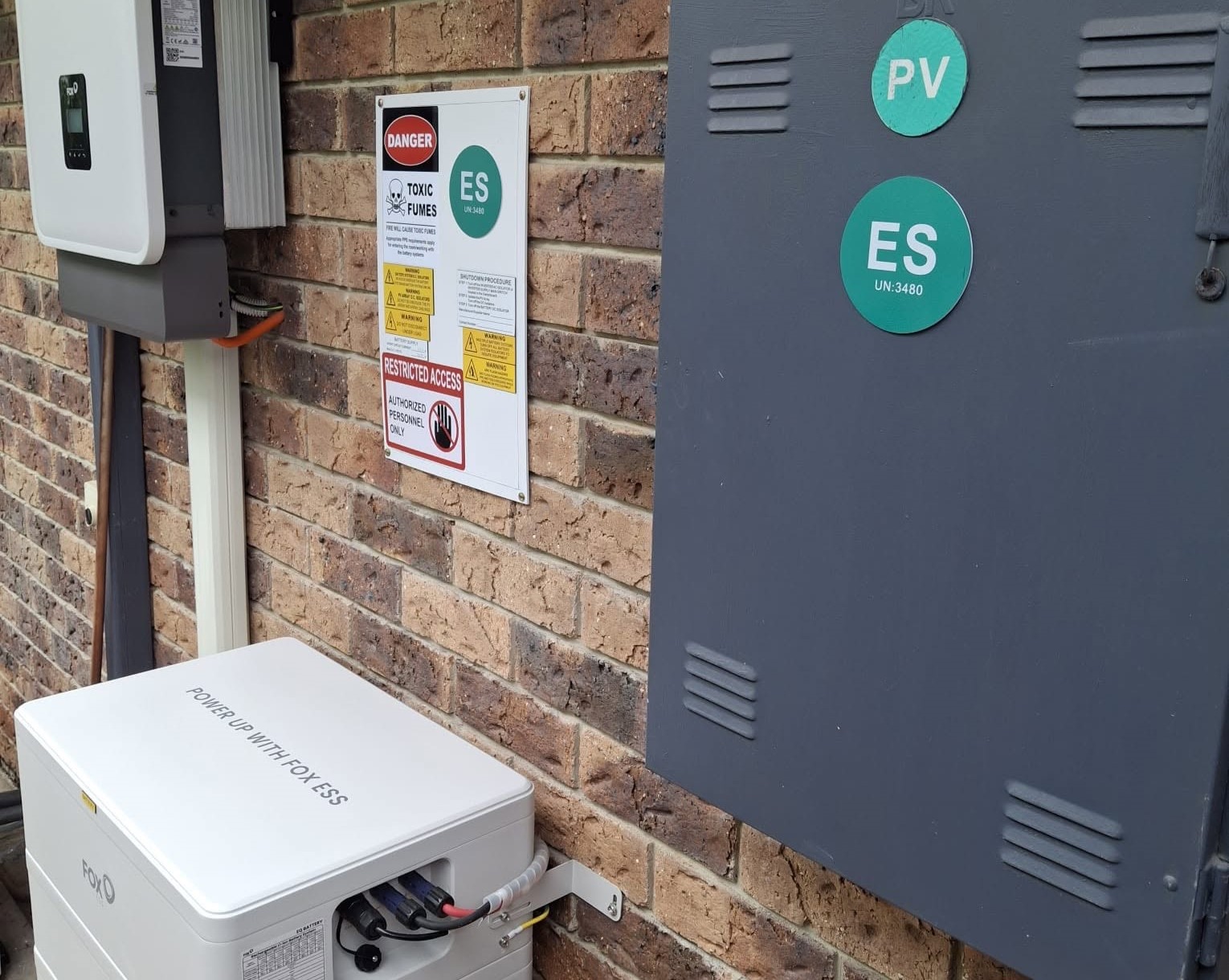
For a homeowner who already has rooftop solar, adding a battery is not simply a matter of choosing a number of kilowatt-hours and fixing another box to the wall. The existing panels, solar inverter, meter arrangement, phase configuration and network settings are already part of an operating energy system. A battery proposal needs to explain how the new equipment will work with that system.
Advertisement

Follow the money: Tim Buckley on what will really drive Australia’s energy transition
In a recent episode of The GREENROOM, Greenwood Academy’s renewable energy podcast, Climate Energy Finance Director Tim Buckley joined in a wide-ranging discussion about the financial forces that will ultimately determine the speed and scale of Australia’s energy transition.

Why renewable projects need better risk evidence
Australia’s renewable energy numbers tell two very different stories. In 2025, renewables supplied 42.7% of Australia’s electricity, up from 39% the year before. Yet only 2.3 GW of new large-scale renewable generation reached financial close, down from 4.4 GW in 2024 and one of the lowest levels in a decade.

Charts show how far rooftop solar and home batteries can take us – and why we still need the grid
Australian homes and cities are increasingly producing and storing their own power. After two decades of growth, solar panels are now on the rooftops of one in three Australian homes. And home batteries have surged after the Australian government began offering subsidies last year. Around 450,000 batteries had been installed by the end of 2025 – about 4% of Australia’s 10.9 million households.
Advertisement

Charging infrastructure may soon struggle to keep up with Australia’s surging EV sales
Electric vehicles seem to be popping up everywhere. In the first half of 2026, sales of battery-powered EVs nearly tripled, and July’s figures suggest this trend will continue. However, our cumulative research reveals Australia’s charging network may soon fail to keep up with the booming EV market.

Energy sector in spotlight as cyberattack threat grows
The age of convergence describes the rapid connectivity in recent years as information and operational technology have come together in unprecedented ways. These two environments were historically kept separate, but as energy companies have rapidly modernised their networks to improve service delivery, these two worlds have converged. The result is complex cyber-physical systems that are difficult to secure.

Australia’s EV fleet transition will be won or lost at the depot
Towing a 2.5-tonne mobile learning centre 25,000 kilometres around Australia with an electric vehicle has provided some interesting lessons for fleet electrification, including how businesses can avoid costly infrastructure upgrades, and plan charging around operational needs and the vehicles they expect to operate in five or 10 years.
Advertisement