Author
jonasuschner
Advertisement
Articles written by jonasuschner
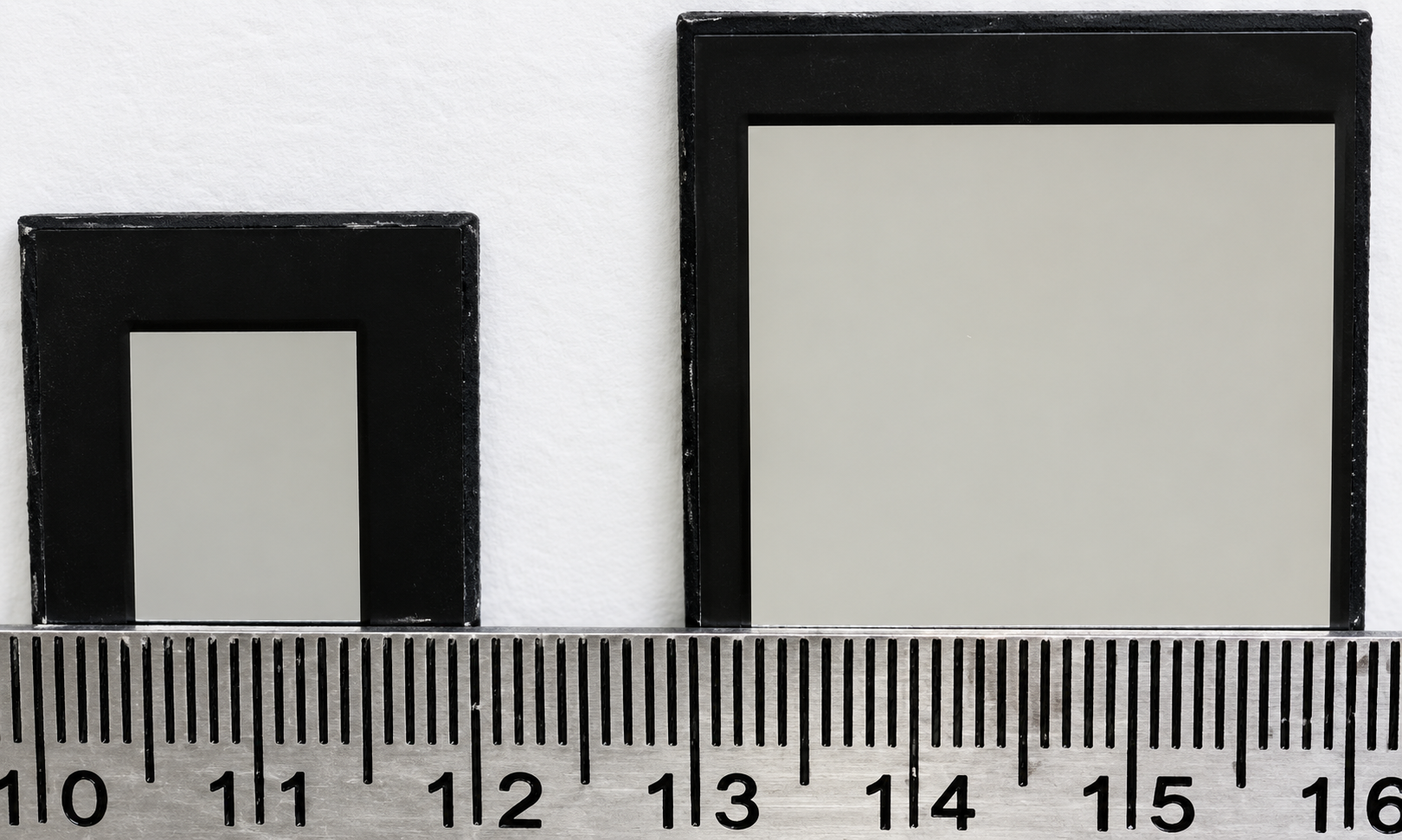
Mixed self-assembled monolayer enables 18.88% efficiency in 5.2 cm² inverted perovskite solar cell
Researchers in India have developed an inverted perovskite solar cell based on a mixed self-assembled monolayer that improves film quality, charge transport, and device stability. The cell achieved an efficiency of 18.88% on an active area of 5.2 cm², with a relative efficiency loss of only about 7% compared with smaller devices.
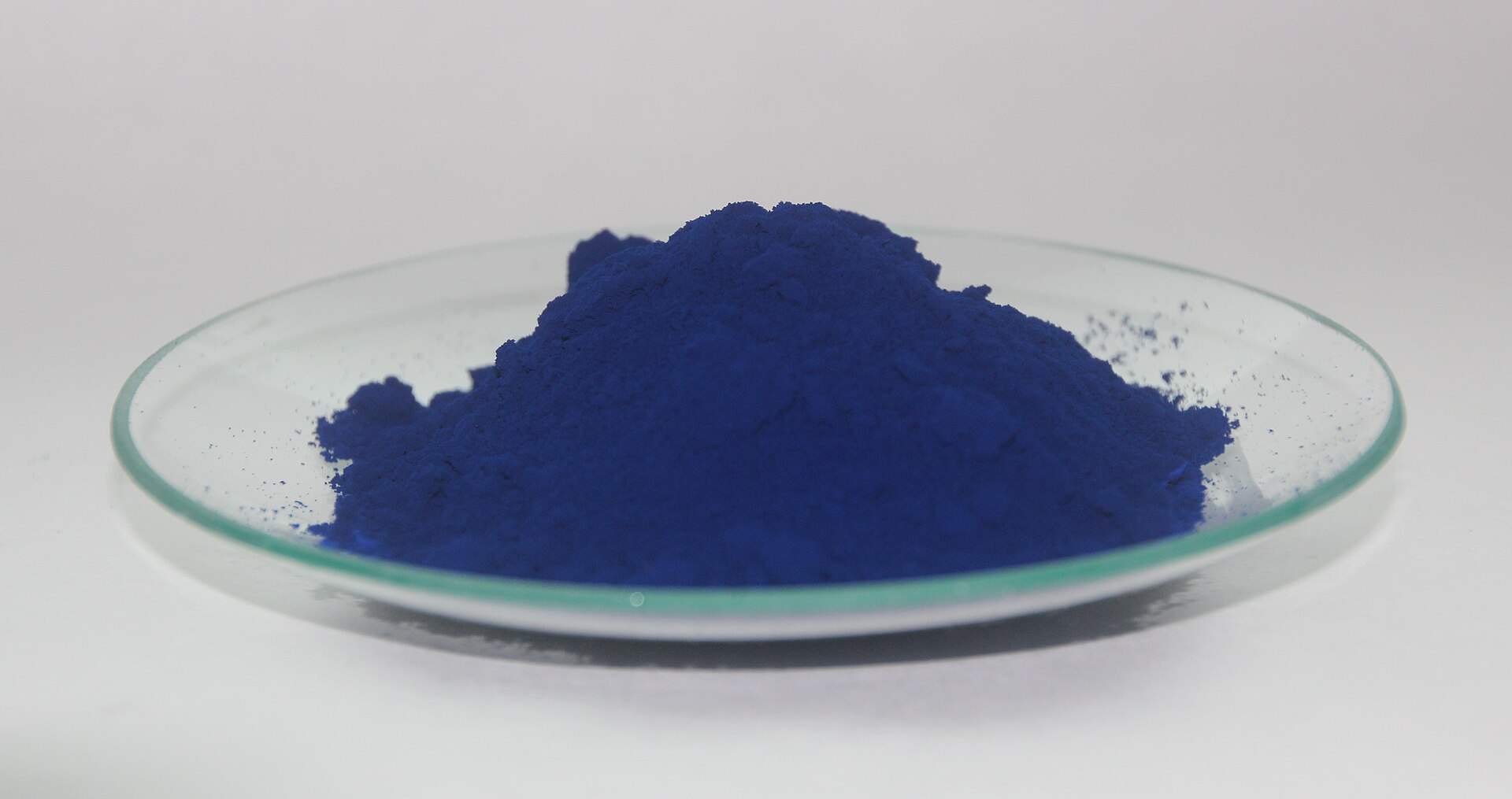
Perovskite solar cell based on Prussian blue achieves 26.9% efficiency
Researchers have used Prussian Blue nanoparticles to improve the efficiency and stability of perovskite solar cells, achieving efficiencies of up to 26.9%. The approach also enabled the fabrication of large-area modules with certified efficiencies of 22.9% and promising results in accelerated ageing and outdoor stability tests.
Advertisement
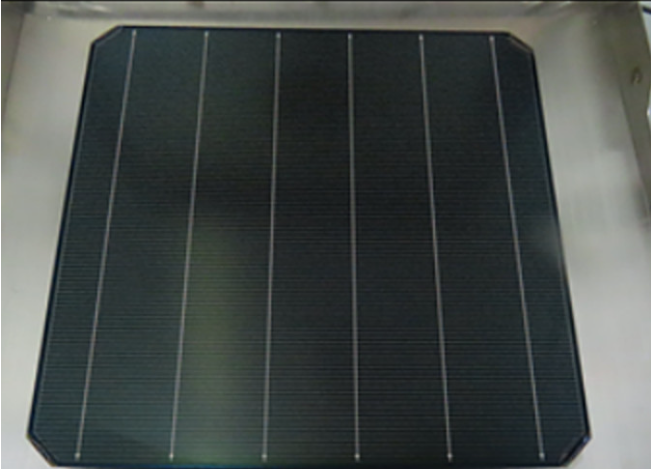

Modified consumer camera can measure solar cell open-circuit voltage
German researchers have modified and calibrated a low-cost consumer camera to quantitatively measure electroluminescence from silicon solar cells and modules. The method determines external luminescent quantum efficiency and uses it to derive the corresponding open-circuit voltage
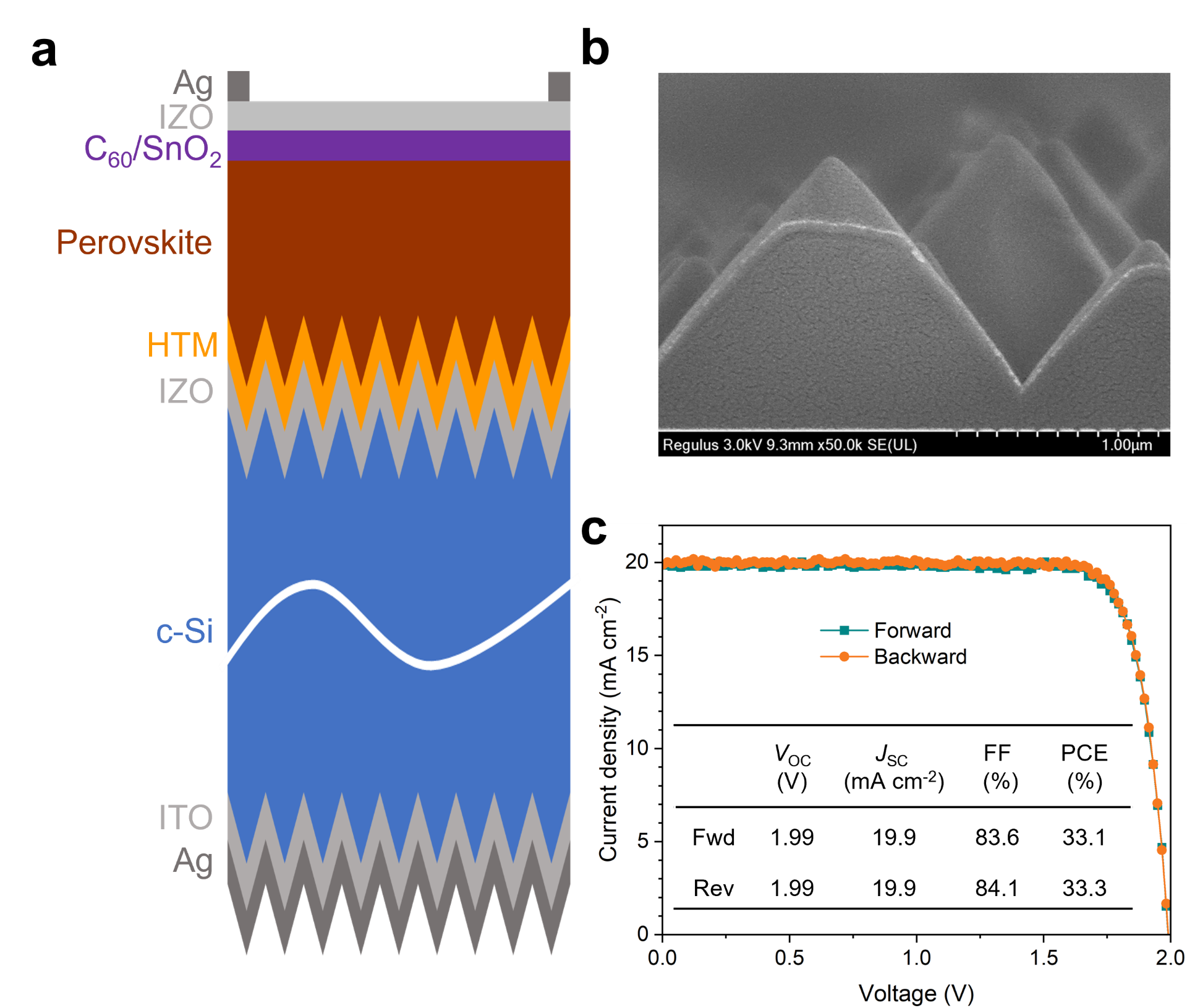
Scientists build 33.3%-efficient perovskite-silicon tandem solar cell processed in ambient air
Chinese researchers developed a PNCC polymer hole-transport layer that enables efficient and stable perovskite solar cells to be fabricated under ambient conditions. The material was used in a perovskite-silicon tandem cell that achieved 33.3% efficiency and a certified efficiency of 33.0%.
Advertisement

Researchers build 27.39%-efficient inverted perovskite solar cell based on new molecular design
Chinese researchers have developed a molecular additive that reduces defects in perovskite solar cells, enabling a power conversion efficiency of 27.39%. The approach was also used in bifacial mini-modules with efficiencies above 22% and 99.6% power retention after more than 5,000 hours of continuous operation.

New research confirms negligible LeTID degradation in TOPCon solar cells
Researchers have found that light- and elevated-temperature-induced degradation (LeTID) has a limited impact on n-type TOPCon solar cells compared with earlier p-type PERC technology. Optimized firing conditions and laser-enhanced contact optimisation can further suppress degradation, with industrial TOPCon cells showing efficiency losses within acceptable warranty tolerances.
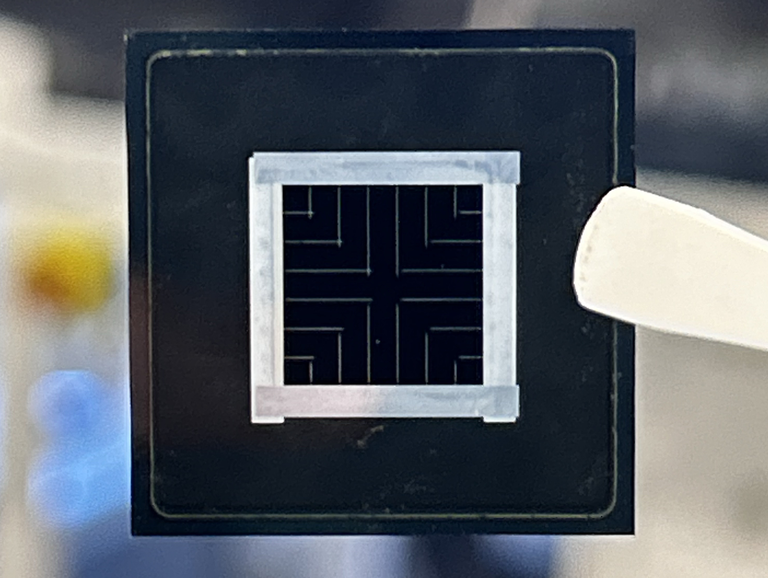
Solvent-free perovskite-silicon tandem solar cell achieves 27.3% efficiency
German researchers have developed a fully solvent-free perovskite-silicon tandem solar cell using sequential evaporation, achieving a power conversion efficiency of 27.1%. The scalable approach also demonstrated significant stability, retaining 97.06% of its initial efficiency after 6,800 hours of dark storage under nitrogen.
Advertisement