Author

Mark Hutchins
Mark Hutchins is Magazine Director. He joined pv magazine in September 2016 as production editor of the monthly global title. Mark also works online reporting on upstream technology and markets, as well as newly emerging solar regions.
Advertisement
Articles written by Mark Hutchins

TOPCon PV modules outperform PERC by more than 5% in energy yield tests
A study by TÜV Nord in Malaysia shows that the latest generation of tunnel oxide passivated contact (TOPCon) modules surpass their older rivals on energy yield. The researchers compared n-type TOPCon modules with older p-type PERC modules, both manufactured by JinkoSolar over a three-month period earlier this year. The newer product showed an energy yield 5.69% higher than its PERC counterpart.
Jul 30, 2023
Thirty years of photovoltaic module degradation
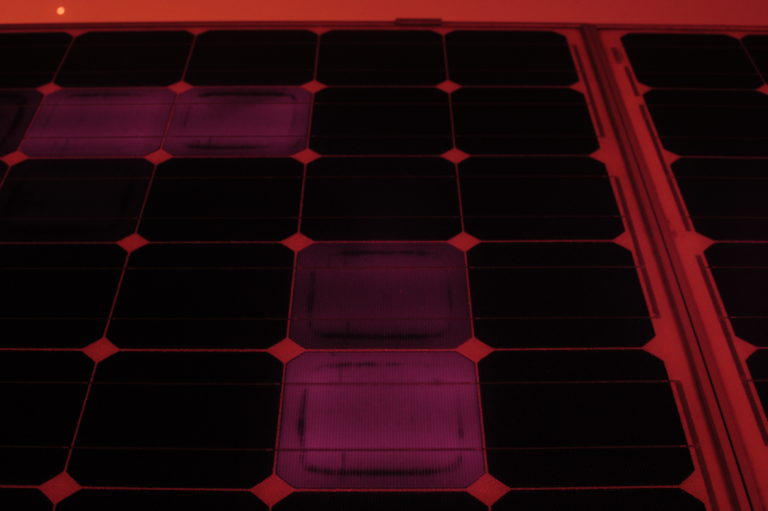
Scientists in Europe have put together a comprehensive guide to PV module degradation, examining literature and case studies on the topic as far back as the 1990s. Their paper details the primary stress factors faced by modules in the field, the most common modes of degradation and failure, and provides clear definitions relevant to reliability, quality and testing standards. Among their key findings is that a full understanding of how combinations of different stresses over varying timeframes is still missing from methods to estimate and improve system reliability.

Inside the impacts of soiling
Scientists in India carried out a comprehensive study into the impacts of soiling on PV modules – measuring the amount of performance loss caused by different types of dust and bird droppings, and for modules installed at various tilt angles, in the hot-dry climate of Vellore in southern India. Their findings could allow developers to better take into account and mitigate the effects of soiling during site selection and system design.
Advertisement

Weekend read: the cells of the future
The annual SiliconPV Conference came to TU Delft in the Netherlands in April, and offered an important health check for the science and technology behind solar energy. pv magazine was on site to hear the latest from researchers reaching for higher efficiency through tandem cells and other innovations; looking to understand and mitigate cell degradation mechanisms; and working to cut down solar technology’s consumption of rare and expensive materials.
May 26, 2023

Weekend read: As simple as IBC
The search for ever higher conversion efficiency has driven solar researchers to focus on back-contact cell approaches, and efforts to devise more cost-effective manufacturing are bringing technologies such as interdigitated back contact (IBC) solar into the mainstream, as Mark Hutchins reports.
Mar 24, 2023

PV Expo 2023: Japanese solar’s struggle for space
PV Expo and the wider Smart Energy Week wrapped up in Tokyo last week. It revealed ambitious plans for solar and energy storage installations in Japan, including creative approaches to dealing with a severe lack of space for new installations, which should bring plenty of opportunities for domestic and international players.
Advertisement

Scratching the surface of silicon in tandem solar cells
German scientists have investigated the role of surface texturing in perovskite-silicon tandem cells and have found that several new processes offer the ability to etch smaller, more uniform textures onto the surface of a silicon cell than today’s industry standard. This could help to ease the subsequent growth of a perovskite cell on top of the silicon, enabling researchers and manufacturers to target higher performance.

Soiling – a multibillion-dollar issue
A new report by the International Energy Agency’s Photovoltaic Power Systems Programme (IEA-PVPS) estimates that lost revenue from PV module soiling amounts to more than €3 billion ($4.6 billion) per year – an amount that is only set to increase as PV systems grow larger and more efficient.

Queensland group map pathways for perovskite PV
Perovskite solar cells have created excitement in recent years, given their potential to improve virtually every area of PV, but we have yet to see such devices produced at scale. Scientists in Australia have outlined some of the challenges holding them back.
Advertisement