Lead-acid battery pilot switched on at Victorian university testing facility

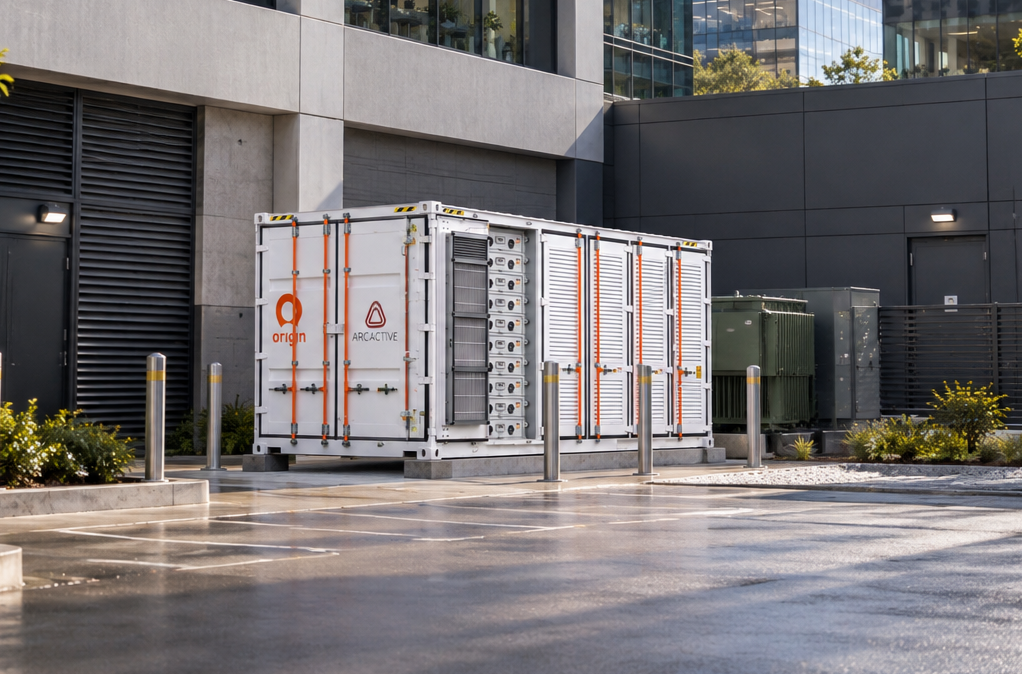
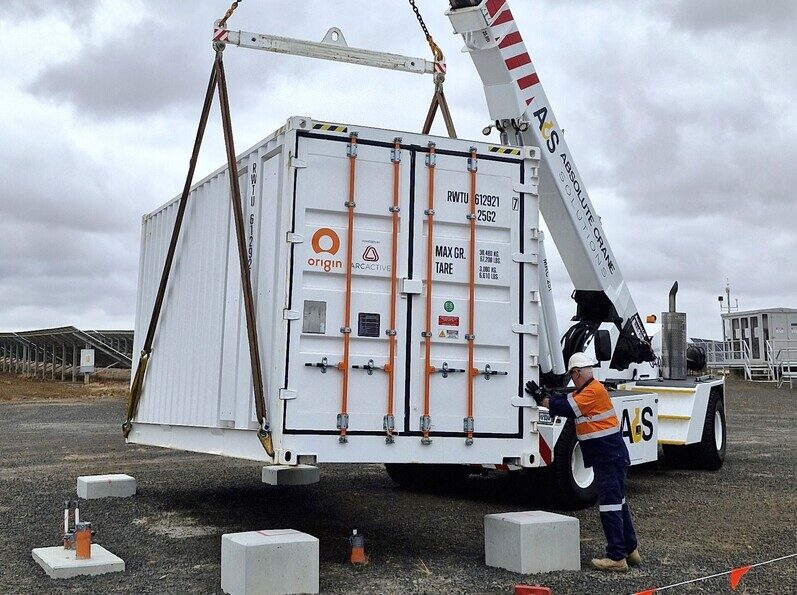
New Zealand-headquartered energy storage company ArcActive has switched on a lead-acid battery system pilot installed at Deakin University’s Waurn Ponds campus 7.25 MW microgrid battery testing facility.
ArcActive’s system combines its proprietary fabric electrode technology with a bipolar battery architecture to create a new generation of lead-acid batteries, building on lead-acid technology already in use to support critical infrastructure, including telecommunications, hospitals and data centres.
The system consists of bipolar batteries built as a stack of repeating cells, with each cell layered directly on top of the next. Rather than connecting individual cells using conventional straps and inter-cell connections, a bipolar plate forms the boundary between neighbouring cells while also carrying current directly from one cell to the next, ArcActive said.
The result is a compact, sandwich-like structure in which the electrodes, separators and bipolar plates are arranged as parallel layers.
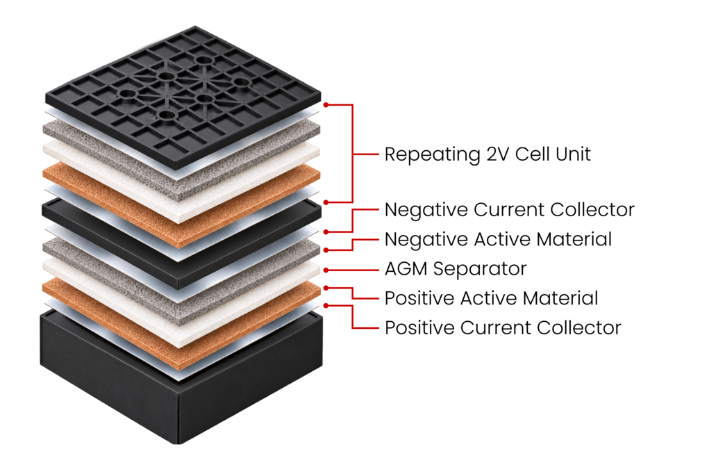
ArcActive said as current flows directly through the thickness of the battery, it’s more uniformly distributed across the electrode area, reducing electrical resistance compared with traditional lead-acid battery designs.
The stacked construction also allows the electrodes to be maintained under high, uniform compression, which is beneficial for the positive electrode, where compression helps support the active material, reduce shedding and extend cycle life.
Excessive compression of conventional negative electrodes, however, can reduce porosity, restricting electrolyte access and limiting performance.The result is a safe, highly recyclable and long-life energy storage solution, which leverages established lead-acid materials and processes and a practical pathway to cost-effective energy storage at scale.
ArcActive Chief Executive Stuart McKenzie said lead-acid technology is a technology that engineers, approval authorities and insurers already know.
“There are established pathways for approving and insuring these installations, which is an important starting point when you want to put batteries alongside businesses and occupied buildings,” McKenzie said.
“We want businesses to be able to deploy storage through a more standardised, repeatable process, with greater confidence about the cost, the approval requirements and the financial return.”
“The cost of installing a battery goes beyond the battery itself. Businesses also need to account for engineering work, approvals, insurance and safety measures. If they don’t know what their site will need or how much it will cost, they can be reluctant to invest,” McKenzie said.
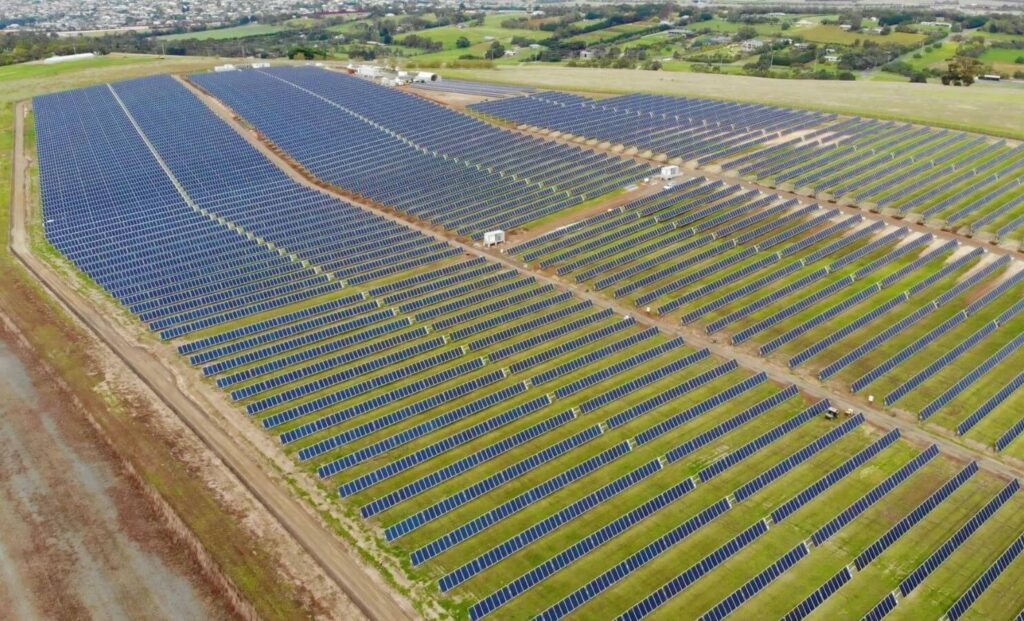
Supported by Origin Zero and also connected to Origin’s Virtual Power Plant (VPP), the pilot project aims to solve common issue faced by commercial sites like factories, warehouses, and shopping centres, that can benefit from storing cheap solar energy to cut power bills, but are deterred by high upfront costs, complex installation approvals, and insurance hurdles.
Origin Group Manager for Customer Solution Development and Emerging Technology Bill Truscott said trials such as this offered opportunities to learn about emerging technologies and their potential applications for customers.
“We’re interested in how new technologies could help our commercial and industrial customers innovate and manage their energy needs,” Truscott said.
This content is protected by copyright and may not be reused. If you want to cooperate with us and would like to reuse some of our content, please contact: [email protected].

Please login to comment