cells & modules
All cells & modules news
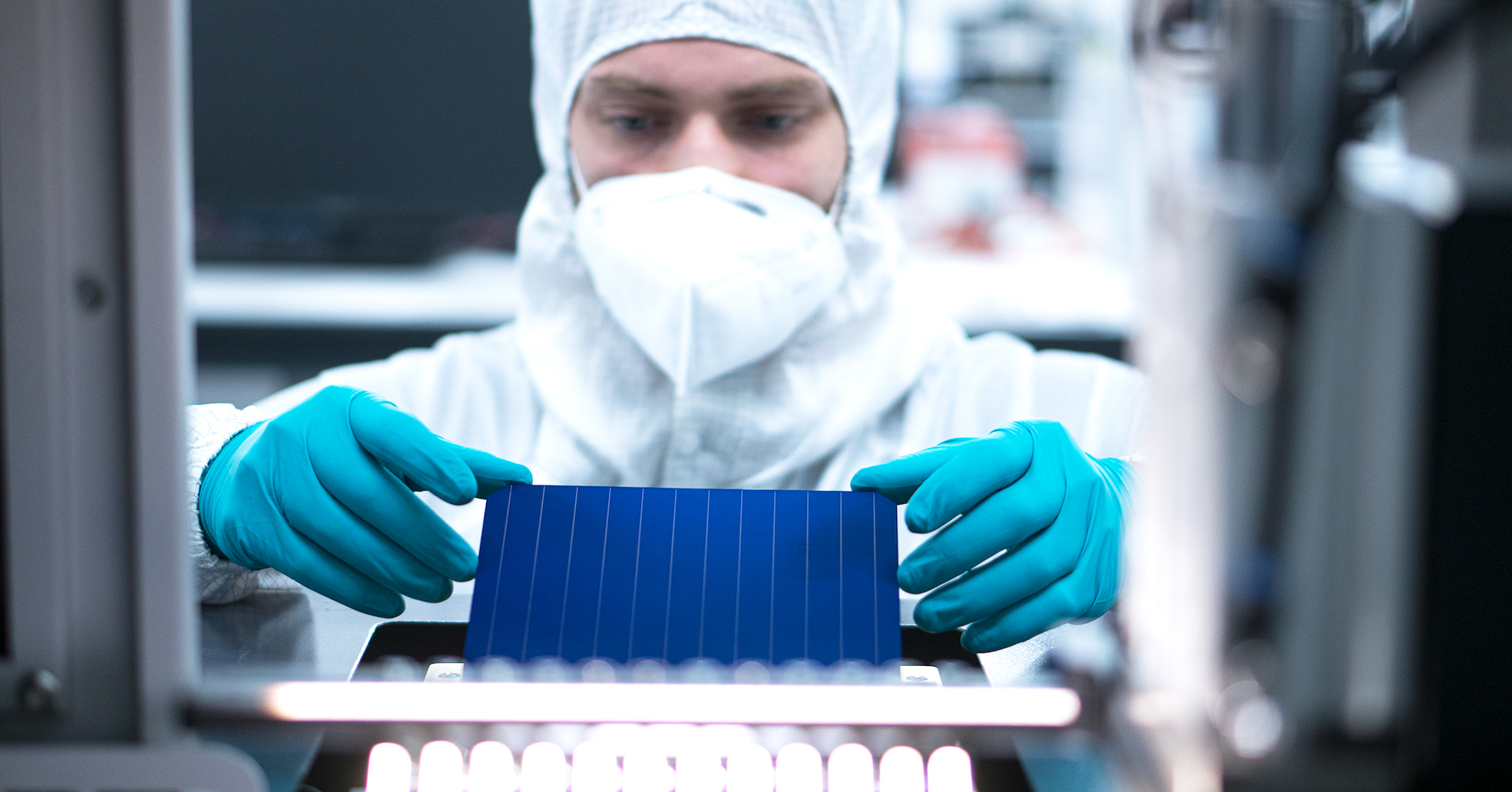
Nickel powder optimisation cuts TOPCon solar cell metallisation costs by 6.8% without compromising efficiency
UNSW researchers, in collaboration with SunDrive and Shenzhen APG, have demonstrated that replacing part of the silver with nickel in TOPCon solar cell rear metallisation can reduce raw-metal costs by 6.8% with almost no efficiency loss. Their findings show that nickel powder characteristics and paste consumption are key to achieving cost-effective silver substitution.
5 hours ago

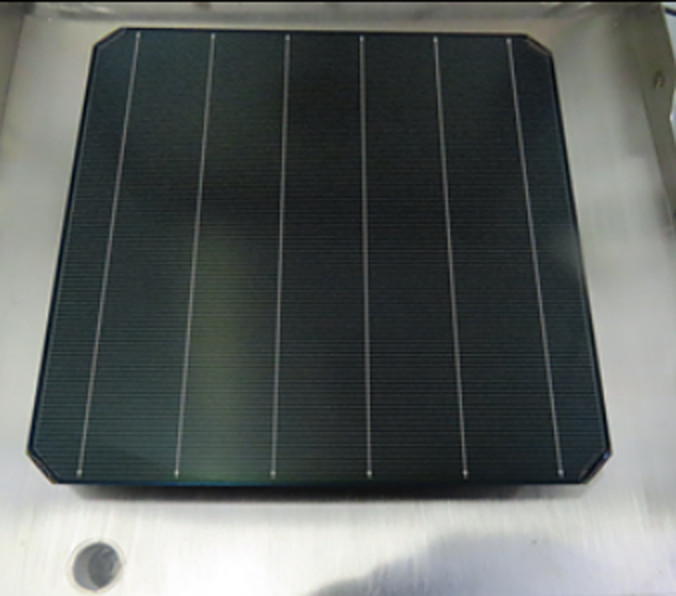
Longi researchers reveal how edge masking reduces recombination losses in solar cells
Longi researchers found that edge masking improves the measured efficiency of heterojunction back-contact solar cells by suppressing edge recombination, with an optimal masking width of 5 mm. Their simulations suggest that selective metallisation could further increase efficiency from 26.85% to a theoretical maximum of 27.39%.
Advertisement
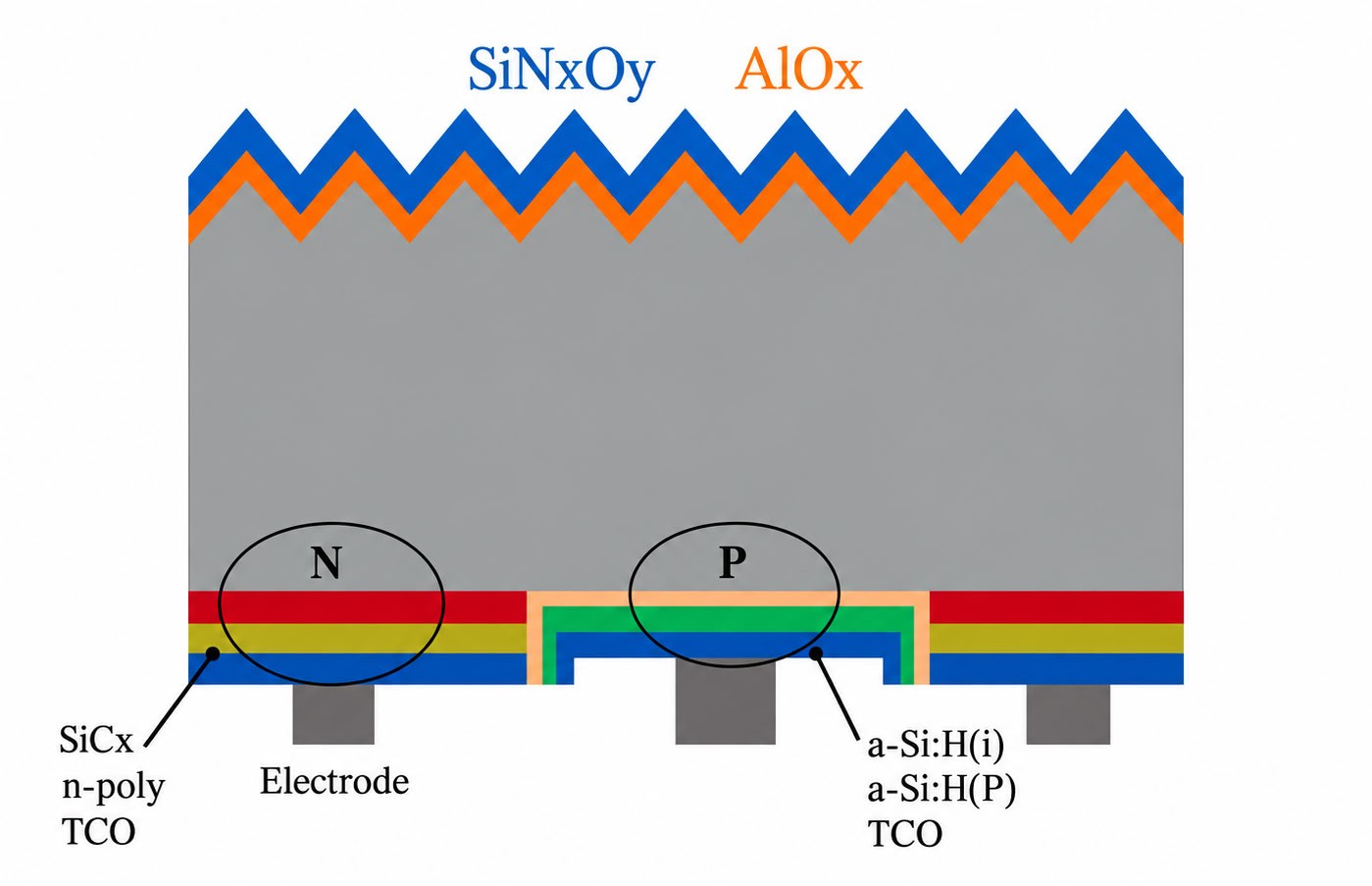
JinkoSolar unveils 28%-efficient back-contact TOPCon solar cell with amorphous silicon HJT passivation
JinkoSolar has unveiled its first back-contact solar cell technology, combining TOPCon and heterojunction passivation in a new architecture called TAC. The Chinese manufacturer reported a peak cell conversion efficiency of 28%.
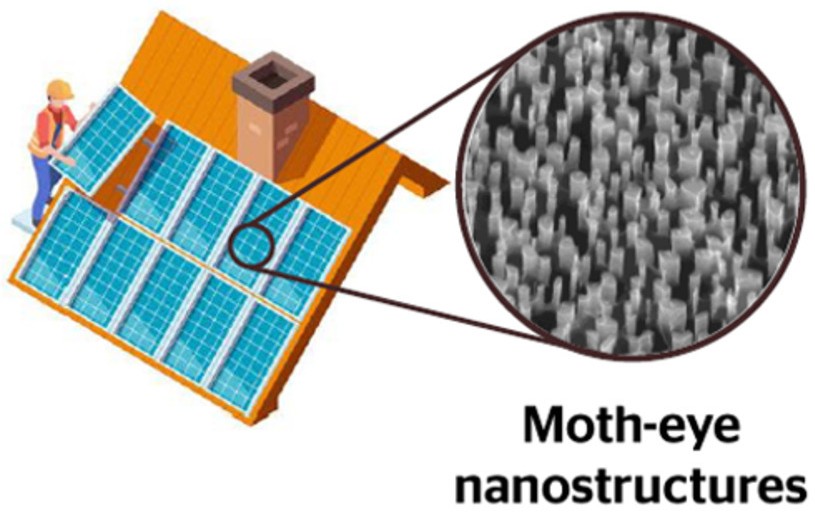
Scientists develop moth-eye-inspired antireflective surfaces for PV modules
Researchers in Portugal have investigated the mechanical durability of moth-eye-inspired antireflective silicon surfaces for photovoltaic applications. They found that repeated sliding causes nanopillar fracture and material compaction, with higher mechanical loads leading to increased friction and wear.

Researchers reduce losses in organic solar cells by restricting emission angle
Spanish researchers have developed an optical cavity that reduces Boltzmann losses in organic solar cells by restricting photon emission angles. The approach could help push single-junction solar cell efficiencies beyond the Shockley-Queisser limit.
Advertisement

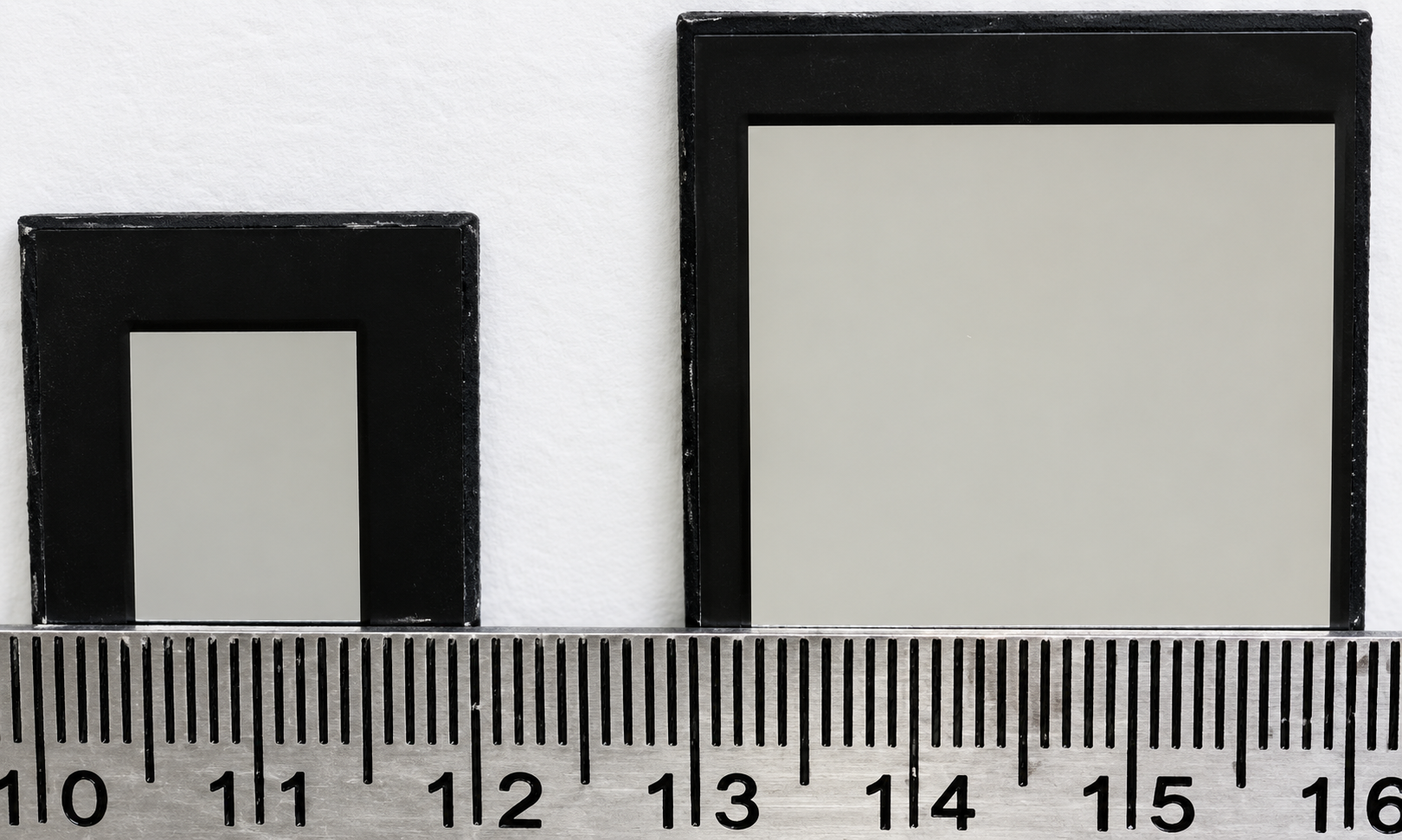
Mixed self-assembled monolayer enables 18.88% efficiency in 5.2 cm² inverted perovskite solar cell
Researchers in India have developed an inverted perovskite solar cell based on a mixed self-assembled monolayer that improves film quality, charge transport, and device stability. The cell achieved an efficiency of 18.88% on an active area of 5.2 cm², with a relative efficiency loss of only about 7% compared with smaller devices.
Advertisement
Advertisement
Advertisement
Advertisement


Advertisement