First Nations 5% equity policy targets 500 MW generation and 2 GWh dispatchable capacity


The Australian government’s Capacity Investment Scheme (CIS) Tender 9 – National Electricity Market (NEM) Generation and CIS Tender 10 – NEM Dispatchable Capacity are for the first time inviting proponents to include a 5% equity and/or revenue sharing arrangement with First Nations people as an optional eligibility criteria.
Under the new First Nations Set Aside (FNSA) policy the 5 GW CIS Tender 9 has a specific FNSA generation target of 500 MW, and for the 16 GWh Tender 10, an FNSA target of 2 GWh dispatchable capacity.
Proponents must commit with First Nations partners to at least 5% equity, revenue sharing equal to 5% equity or a mix of equity and revenue sharing equal to 5%.
The outcome is to ensure First Nations communities benefit from Australia’s clean energy future, through co-ownership of renewable energy projects and sharing in the income they generate.
From the inaugural CIS Tender, developers have been encouraged to work with First Nations communities through equity ownership, revenue-sharing arrangements, and energy offtake agreements, but this is the first time, it is a policy incentive and optional eligibility criteria.
Proponents can nominate their project for the FNSA. Projects that do not qualify will be assessed under the standard tender process.
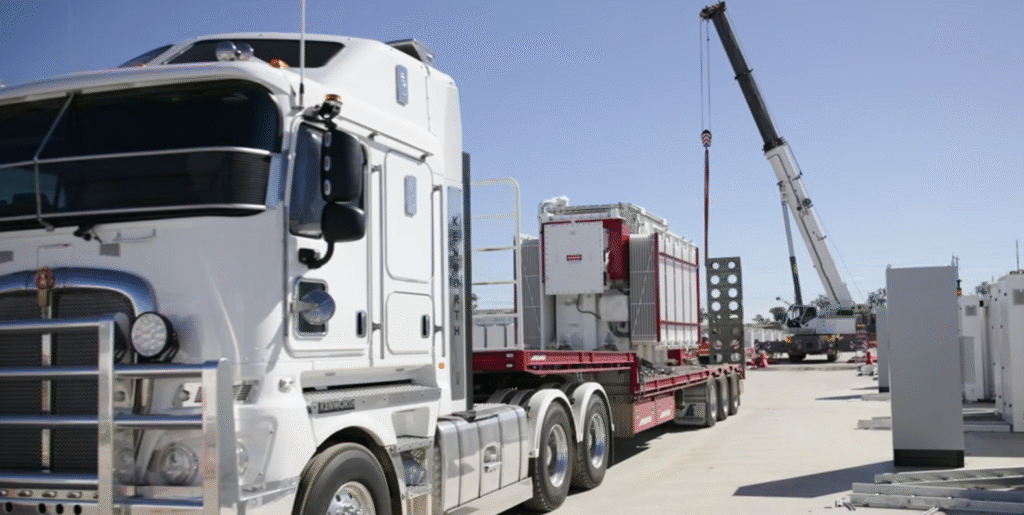
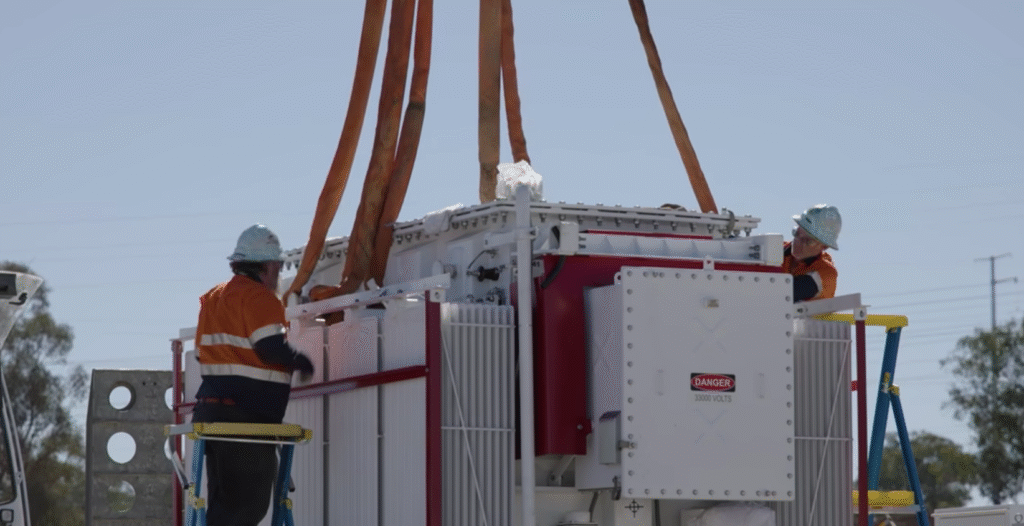
Ampyr Australia Bulabul BESS
The first, First Nations 5% equity stake in a renewable energy project supplying the NEM was negotiated in 2025 between Singapore-headquartered clean energy developer Ampyr Australia and Wellington, New South Wales (NSW)-headquartered Wiradjuri-controlled Wambal Bila Indigenous Community Corporation (WBICC).
The 300 MW / 600 MWh Bulabul battery energy story system (BESS) Stage 1 is expected to generate between $20 to $30 million over 25 years for the partnership, guaranteeing generational impact for local Indigenous people.
Ampyr Australia First Partnerships and Community Engagement Lead Will Story said the first step in establishing the partnership was listening.
“The first thing we did here in Wellington was to sit down with all the Aboriginal leaders and community members to talk about their priorities and to find out if there are ways that we could collaborate to deliver real community impact,” Story said.
Wambal Bila Director Keiyana Guihot said the agreement also provides Wambal Bila with an entitlement to an annual priority distribution amount and the ability to share equally alongside the investor in project revenues.
“The equity stake really is a new way of structuring projects and a blueprint for how we could be working in the future to ensure Aboriginal communities benefit from renewable energy projects,” Guihot said.
“When our revenue starts coming in, it will be our members, our directors, our people who decide what we do for our community. It will be voices of the community determining where and how we invest back into community.”
Wambal Bila Co-director Louise Austrin said it’s also a chance for meaningful participation in the economic side of the energy transition.
“This equity stake gives us the opportunity to have true self-determination and build generational wealth,” Austin said.
Locals including members of the Aboriginal community are employed on site, with more opportunities expected as the project progresses.
Ampyr Australia, which secured four utility BESS contracts totalling 1.4 GW / 5.1 MWh in CIS Tender 8 – NEM Dispatchablehas has committed to agree a similar equity stake for Wambal Bila in the 100 MW / 400 MWh Bulabul BESS Stage 2, and plans to replicate the model in future projects.
First Nations Clean Energy Network
The Indigenous-owned First Nations Clean Energy Network (FNCEN), which supports First Nations communities participate in and benefit from the clean energy transition, has released numerous education resources regarding the FNSA policy.
A First Nations co-ownership and equity participation in clean energy projects guide promotes co-ownership with First Nations communities as a necessity, citing a 2021 Guardian article statistic that over 60% of energy projects are likely to be developed where First Nations have rights and interests in lands and waters.
This content is protected by copyright and may not be reused. If you want to cooperate with us and would like to reuse some of our content, please contact: [email protected].

Please login to comment