New Zealand confirms 2028 rollout for battery market reforms

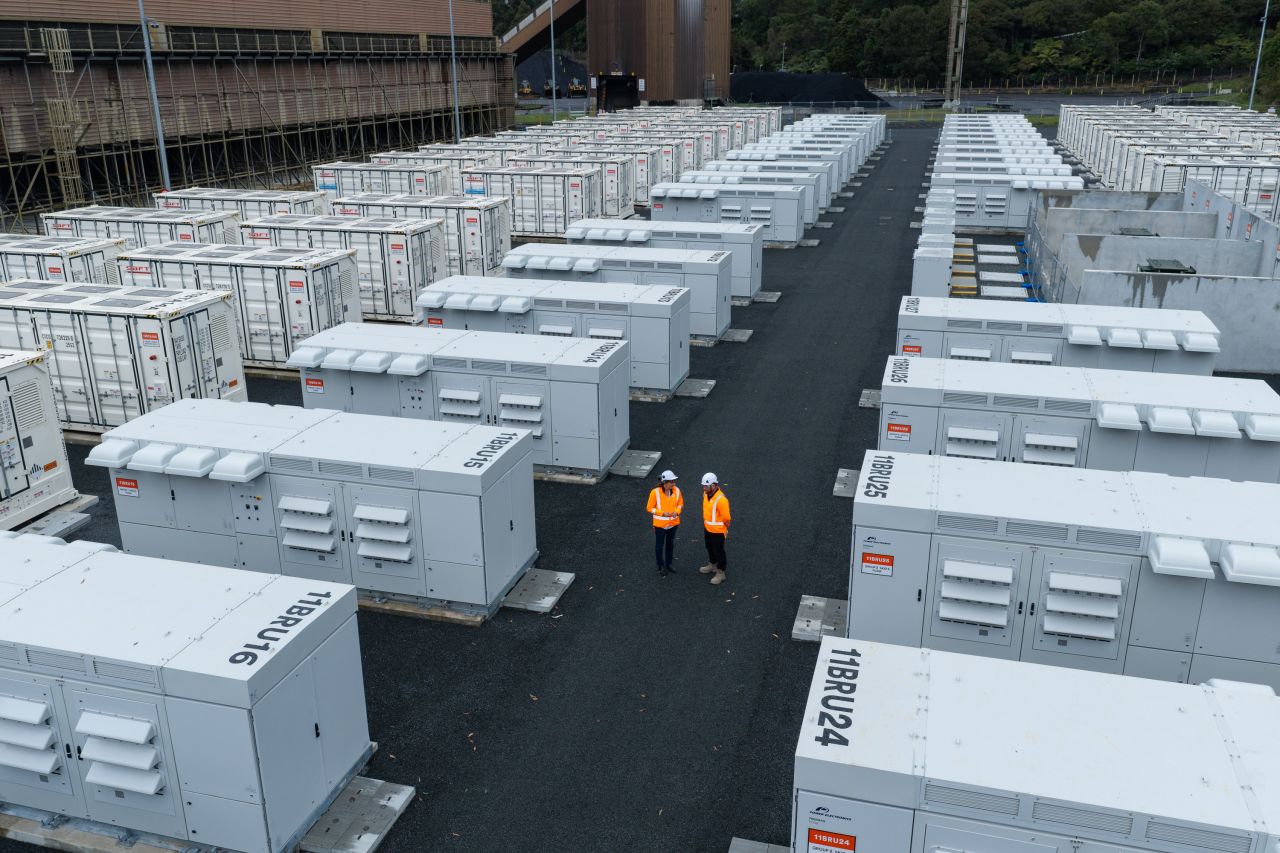
New Zealand’s electricity market regulator, the Electricity Authority Te Mana Hiko, said it has corrected the effective date of a battery market rule to March 31, 2028, and moved consultation on market arrangements for battery-hybrid plants to early 2027.
The corrected rule allows battery owners to submit offers with up to 10 price bands. Its effective date was wrong in both the decision paper and the amendment to the Electricity Industry Participation Code the regulator published in September.
The consultation on wholesale market and common quality arrangements for battery-hybrid stations had been planned for late 2026. The authority said it will shortly issue guidance on how prospective hybrid plant owners can operate and trade in the market in the interim.
The rules, set out in a Sept. 29 decision, are being introduced in two phases because the required software upgrades will take time. Since Oct. 30, utility-scale batteries have had to be dispatchable when charging from the grid, not just when discharging.
“We consider they should be dispatchable across their full operational range as they are highly controllable assets,” the authority said in its decision paper.
As an interim measure, battery owners can trade on their expected capability and update offer and bid quantities after gate closure, the point at which bids and offers must be locked in before dispatch, if that capability changes.
The regulator said the existing arrangements may lead to conservative trading, because a battery’s ability to charge or discharge can change quickly as its stored energy changes.
Full capacity
From March 31, 2028, battery owners will be able to trade their full capacity, with state-of-charge constraints in the dispatch software limiting charging and discharging to feasible levels based on stored energy.
They will submit charging bids and discharging offers on a single trade form and receive a single dispatch instruction. They will also have 10 price bands each for bids and offers, compared with a maximum of five for offers from other generators.
Gate closure for offers from batteries connected to local distribution networks will move from 30 minutes to one hour, aligning them with batteries connected directly to the transmission grid. The authority deferred the change after industry feedback and pushed the final phase back three months to upgrade the System Operator’s software for multiple frequency keeping, an ancillary service that maintains grid frequency.
The September decision paper said four utility-scale batteries were connected to New Zealand’s power system, with many more planned.
New Zealand’s grid-scale battery fleet has grown as its hydro-dominated power system faces climate pressures. Contact Energy opened its Glenbrook battery south of Auckland in June, and French manufacturer Saft was selected to supply a 200 MWh battery project in the country in 2024.
This content is protected by copyright and may not be reused. If you want to cooperate with us and would like to reuse some of our content, please contact: [email protected].

Please login to comment