Australia’s wasted solar: much of the fix is already installed
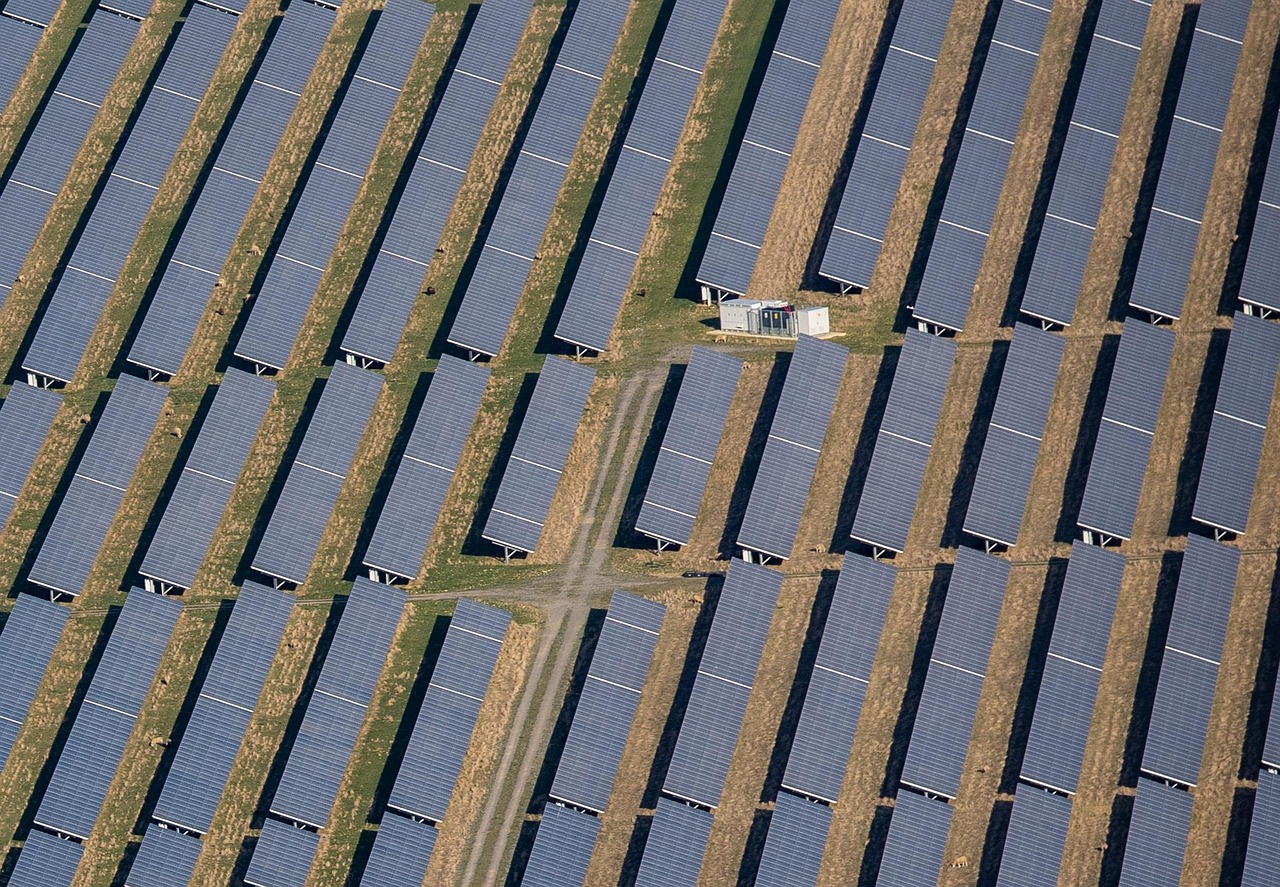
On Sunday 11 October 2026, a little after midday, Victoria was curtailing 5,709 MW of renewable generation. That’s a record for the state. It came 15 minutes after rooftop solar across the National Electricity Market (NEM) set a record of its own.
The NEM curtailed 2.93 TWh of wind and solar in the first half of this year, which is 37% more than the same period last year and about 7% of everything wind and solar produced. The Australian Energy Market Operator’s (AEMO) September quarter report then showed network curtailment averaging 281 MW, roughly double what it was a year earlier, with solar farms in New South Wales (NSW) taking the biggest hit.
The typical response to this challenge is to call for more transmission infrastructure, and indeed, that is required. However, new transmission lines take considerable time to deliver, and they do little to address the other form of curtailment; where prices turn negative during the middle of the day and generators choose to switch off rather than pay to export. What is needed in these instances is a means to absorb this excess energy during peak solar generation, and, in fact, much of the necessary equipment has already been procured and installed.
The kit is there. It isn’t working together yet
So what is already available? According to AEMO, rooftop solar now stands at about 27 GW, distributed across 3.9 million installations, and more than 600,000 home batteries have been installed under the Cheaper Home Batteries Program. Grid-scale batteries are also playing an increasingly active role. In the September quarter, they shifted more than three times the energy they did a year earlier, and at present, they are absorbing approximately 13 GWh of daytime power each day.
There has been some progress, albeit limited. According to figures from Rystad Energy, utility-scale solar curtailment fell to 22% of available generation in September, down from 26% the previous September, as additional battery capacity was brought online. This is certainly a step in the right direction, although it is worth noting that 22% still represents a significant proportion of potential generation that is not being utilised.
One thing that is often missed is the difference between just owning the assets (batteries, inverters, controllable hot water) and actually having those assets be able to respond when the grid needs them.
These devices are supplied by a wide range of manufacturers, each utilising different software platforms and communication protocols. While it is relatively straightforward to control a single device at the appropriate moment, orchestrating the coordinated operation of hundreds of thousands of such devices, alongside large-scale batteries and local solar farms, as grid conditions fluctuate throughout the day, presents a far more complex challenge. In practice, this is primarily a matter of software and systems integration.
To illustrate the complexity involved, one of the more common challenges encountered in managing large fleets of devices is that a firmware update can subtly alter the meaning of a particular data register. The battery itself may be functioning correctly, as may the inverter, but the coordinating system may now be interpreting the data incorrectly. When this issue is multiplied across an entire fleet, it becomes clear why there is often a significant gap between installed capacity and actual usable flexibility.
Decide centrally, execute locally
This raises the question of where coordination should reside. A useful rule of thumb is to make decisions centrally but execute them locally. Activities such as forecasting, trading, and portfolio optimisation are best managed in the cloud, where a comprehensive view of the market is available. However, the actual control should be implemented at the site, in close proximity to the asset itself.
There are several reasons for this approach. Firstly, speed is critical, as certain grid services require a response within approximately one second, and relying on a round trip to a remote data centre is not feasible in such cases. Secondly, resilience is important. If a site loses its external connection, it should continue to operate within its grid constraints and manage the battery appropriately, rather than waiting for further instructions. Thirdly, from a data perspective, it is considerably more efficient to process and normalise telemetry locally, rather than transmitting all raw data to the cloud for subsequent processing.
This approach is already established practice at the larger end of the market. For example, at IOTech, our edge software is integrated into the battery systems of one of the world’s largest grid-scale storage providers, which has more than 20 GW under management worldwide using our solution. In these systems, the control path is entirely local and does not rely on any off-site infrastructure. The edge nodes communicate with each device using its native protocol and translate the responses into a unified data model, which means that integrating a new inverter or battery does not require starting the integration process from the beginning.
This same approach needs to be extended to commercial sites and residential properties, as this is where a significant proportion of new flexibility is being deployed. This, in turn, prompts several practical considerations for those procuring or specifying such equipment. For example, how does the device behave if it loses connectivity partway through an instruction? Is it possible to control the device locally via an open interface, or is it restricted to the manufacturer’s cloud platform? Will it remain compatible with the rest of the fleet following future updates?
It is important to emphasise that none of this is a substitute for new transmission infrastructure. Australia will still require additional lines, as well as further generation and storage capacity. However, in the coming springs and summers, the grid is likely to experience increasing volumes of midday solar generation that cannot be fully utilised, and the new transmission lines will not yet be operational. The most immediate improvements are likely to come from enabling the existing installed equipment to operate in a more coordinated manner, much of which has already been paid for.
Author: Andy Foster, Chief Product Officer, IOTech Systems
The views and opinions expressed in this article are the author’s own, and do not necessarily reflect those held by pv magazine.
This content is protected by copyright and may not be reused. If you want to cooperate with us and would like to reuse some of our content, please contact: [email protected].
Please login to comment