Transmission network planning and system resilience team embeds academic
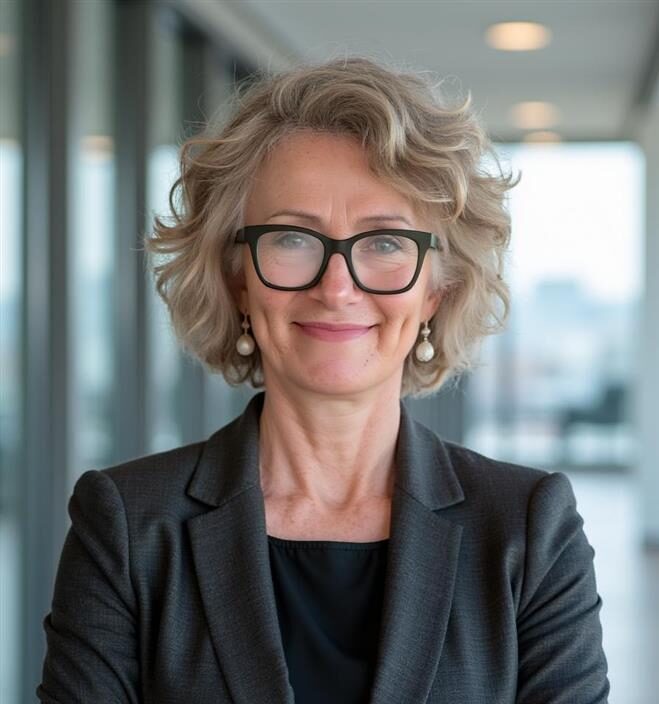
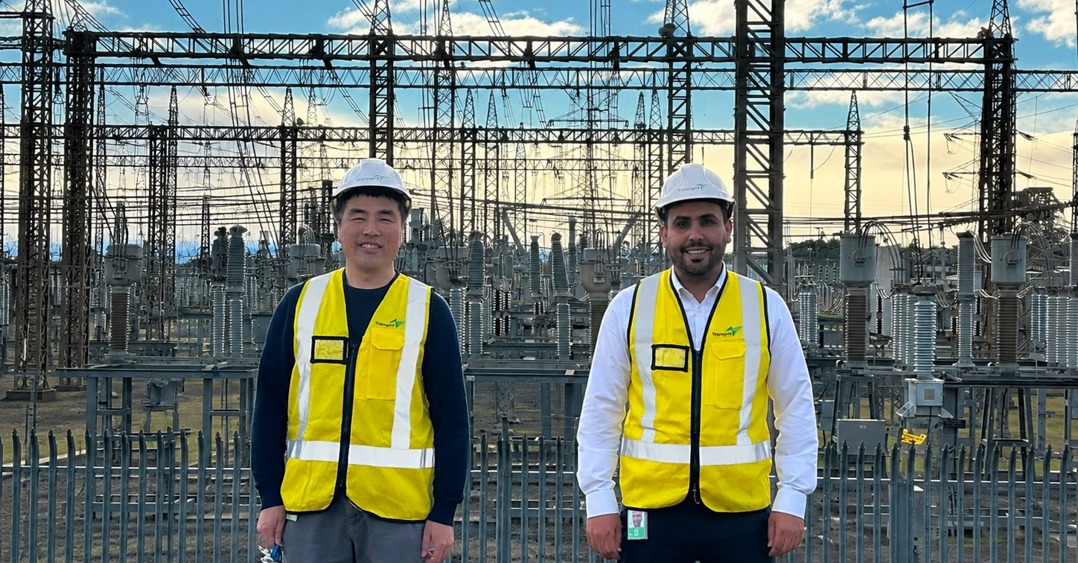
To apply his power systems global research in an industry setting, University of Technology (UTS) School of Electrical, Mechanical and Biomedical Engineering Associate Professor Li Li has entered a six month term with New South Wales (NSW) and Australian Capital Territory (ACT) grid operator Transgrid.
Joining the Transgrid Network Transition Planning (NTP) and System Reslience team, Li will work alongside engineers planning for the impacts of distributed energy resources growth, transport electrificaton and the rapid emergence of large new loads such as data centres.
Li’s research covers power systems, microgrids, distributed energy and smart grid technologies, with a focus on how increasingly inverter-based grids can be operated reliabily.
Transgrid NTP Acting Manager Hassan Haes Alhelou said an advantage for having an academic embedded within an industry team is the ability to look at complex challenges through a different lens.
“Researchers are often well positioned to explore emerging concepts, challenge established assumptions and think creatively about potential future solutions.”
During the placement Li will contribute to renewable integration, accommodating emerging large-demand customers, and system flexibility and resilience, while gaining a deeper understanding of how planning, operational, regulatory and strategic considerations converge in real decisions, which he says is difficult to gain from universities alone.
“Transgrid sits at the centre of many of the most important challenges associated with Australia’s energy transition,” Li said.
“For an academic researcher, this provides a valuable opportunity to understand how the problems we study are experienced in practice and how research can contribute to real-world outcomes.”
Li added that bringing research thinking into practice where it is useful and bringing industry realities back into the university context strengthens curriculum, examples and student learning.
“This placement will help me become a better translator between the two worlds,” Li said.
This content is protected by copyright and may not be reused. If you want to cooperate with us and would like to reuse some of our content, please contact: [email protected].

Please login to comment