Australia needs workforce pipeline to deliver infrastructure rollout
As the nation accelerates investment in renewable energy and network infrastructure, the workforce responsible for building and maintaining this infrastructure is under increasing pressure. Apprentice numbers are declining, experienced workers are nearing retirement, and it can take close to a decade to develop a fully qualified, independent transmission line worker.
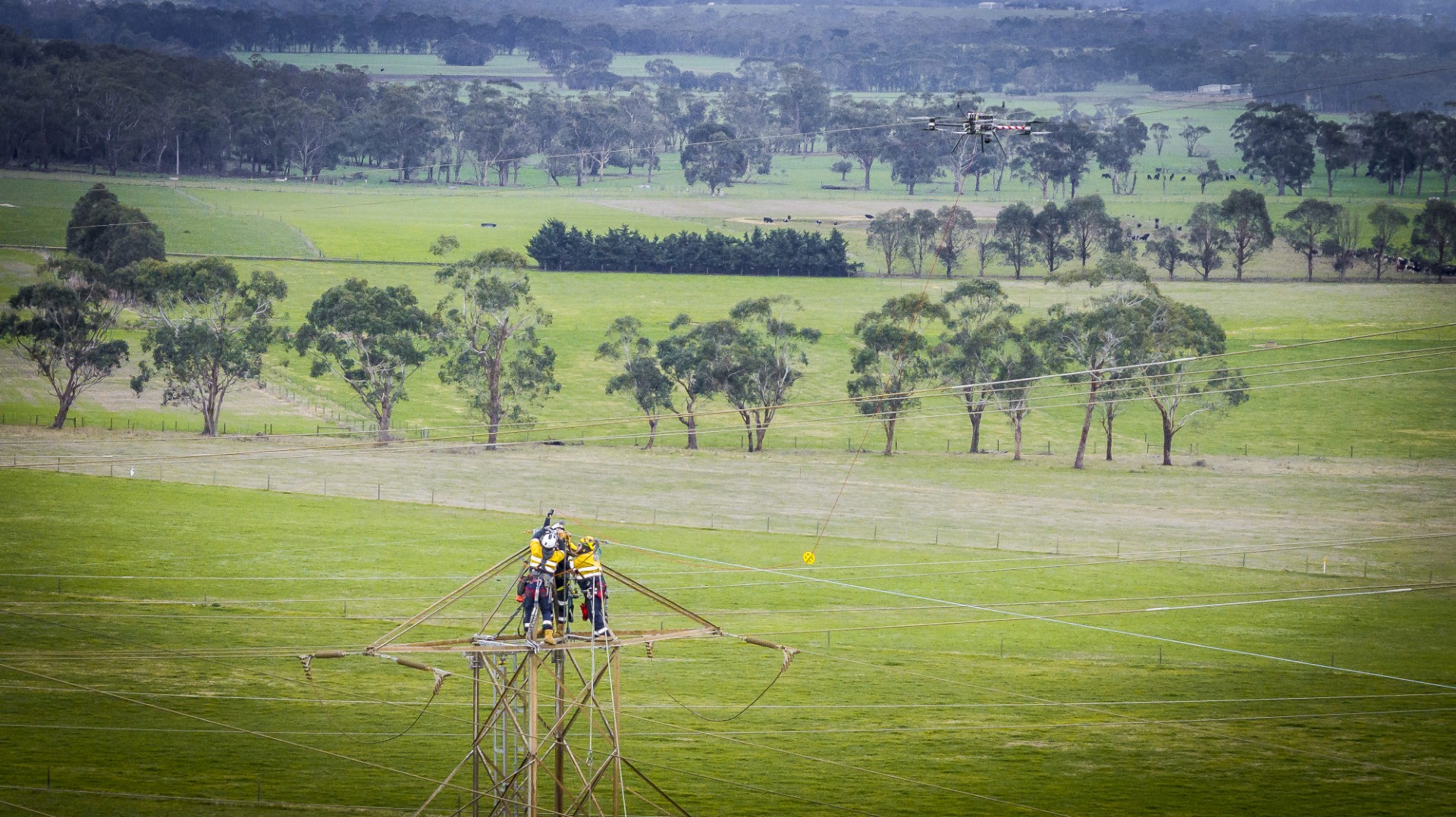
At the heart of the energy transition, transmission line workers build the infrastructure needed to take energy from where it is generated to the homes, communities, and businesses where it is needed.
AEMO’s 2026 Integrated System Plan identifies about 6,000 kilometres of new transmission in the National Electricity Market by 2050 under its Step Change scenario. A strong workforce will be essential to deliver that infrastructure and maintain it.
But apprentice numbers are falling across the industry, and many experienced workers are approaching retirement. It takes years to develop a fully qualified, independent transmission line worker. If we do not address the workforce challenge now, we risk losing both the skills and the knowledge needed to deliver the work ahead.
If we’re serious about the energy transition, then we need to get serious about addressing this and the broader workforce challenges the sector faces. To do this, we need to change how we recruit into the sector and foster new learning and mentoring opportunities.
Zinfra has continued to recruit and train apprentices, but no single employer can solve this challenge alone. Government, industry and training providers need to plan together for the workforce the energy transition will require.
This means broadening the way we recruit. Skills from other sectors, including emergency services, agriculture and defence, can transfer into energy roles. We should create more pathways for people with those skills to enter the industry.
We need to do more to attract women as well. Through targeted outreach and partnerships with organisations such as Empowered Women in Trades (EWIT), schools, TAFEs and community groups, Zinfra is working to make the opportunities across our sector better known.
The results are encouraging. Applications to our apprentice programs have grown by 250% in recent years. In 2025, applications from women increased by 81%. We are also seeing more people apply after changing careers.
Recruitment is only the first step. Training and knowledge transfer turn new starters into a capable workforce.
That means having enough training capacity for the people entering the industry and creating stronger pathways for experienced workers to become mentors and trainers. Their practical knowledge is one of the sector’s most valuable resources.
Zinfra has experienced the training-capacity challenge directly. When TAFE capacity for line worker training fell short of our needs, we provided three experienced professionals to support training at a Victorian education facility. It helped address the immediate shortfall, but a lasting solution requires a more sustainable approach.
So where do we go from here?
Australia already knows much of the infrastructure it will need years in advance. We need to bring the same long-term planning to the workforce required to deliver it.
That means aligning apprenticeship and training capacity with future infrastructure demand, opening pathways for career changers and underrepresented groups, and giving experienced workers a real incentive to pass on their knowledge.
Australia has the talent and capability to turn its energy ambitions into reality. We need to recruit beyond traditional sectors, open new pathways into the industry and help experienced workers train the next generation. That is how we make sure Australia’s energy future is not only planned but built.
Author: Peter Iancov, Managing Director, Zinfra
The views and opinions expressed in this article are the author’s own, and do not necessarily reflect those held by pv magazine.
This content is protected by copyright and may not be reused. If you want to cooperate with us and would like to reuse some of our content, please contact: [email protected].
Please login to comment