Research & Development

Australia is home to some of the world’s leading solar research institutions, including UNSW and ANU, which have pioneered advances in PV efficiency and sustainable energy systems. This category reports on cutting-edge R&D in solar cell technology, materials science, energy storage, hydrogen production, and system integration. It also covers government and industry-funded innovation programs, pilot projects, and university spin-offs. As Australia works toward a decarbonised future, research and innovation remain critical to overcoming technical, environmental, and economic challenges in solar deployment at scale.
Advertisement
Advertisement
Advertisement
Latest News
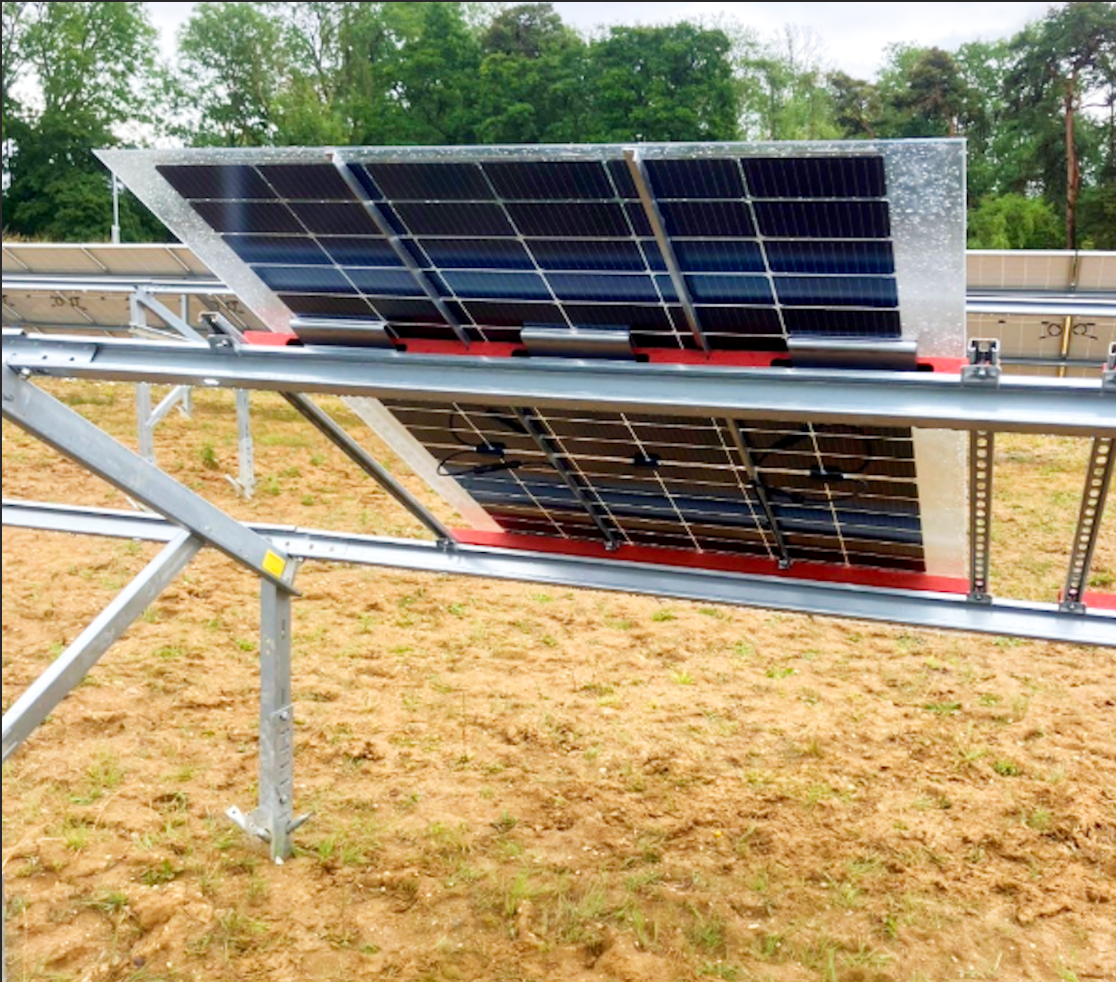
Construction innovations could cut gigawatt-scale solar costs by 22%
Research from Lightsource bp finds combining automated foundation piling, steel-frame solar panels, bolt-free solar module installations and on-site pre-assembly could also reduce installation time of gigawatt-sized solar farms by up to 30%.
Oct 21, 2026
Advertisement
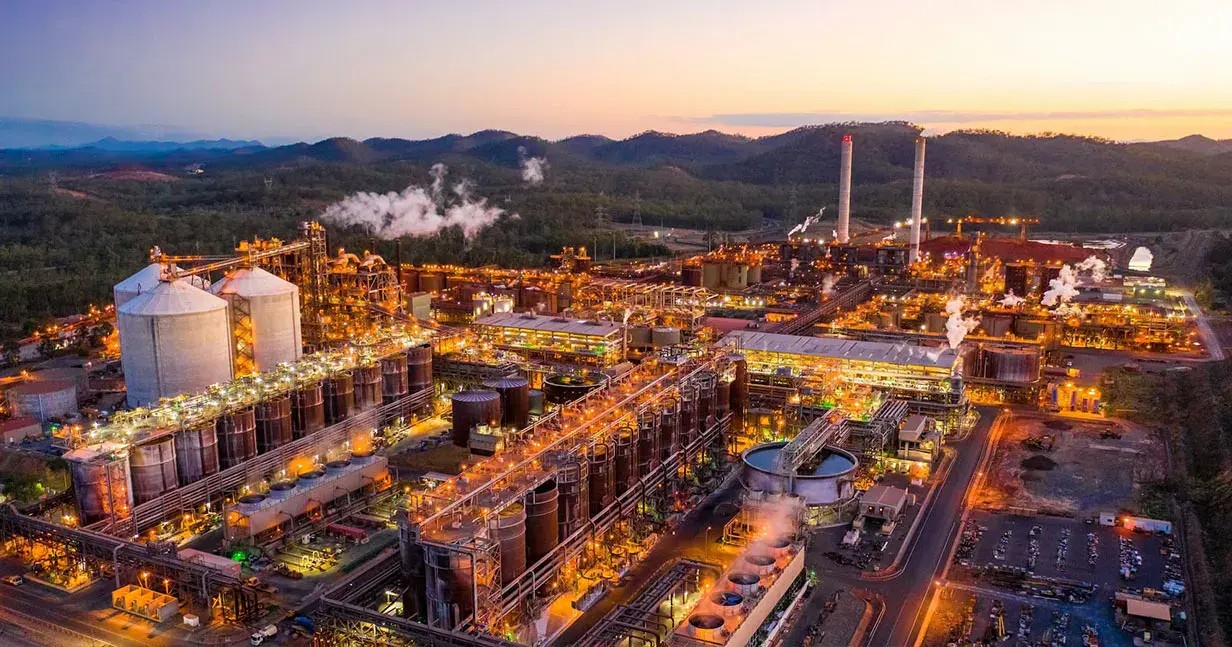
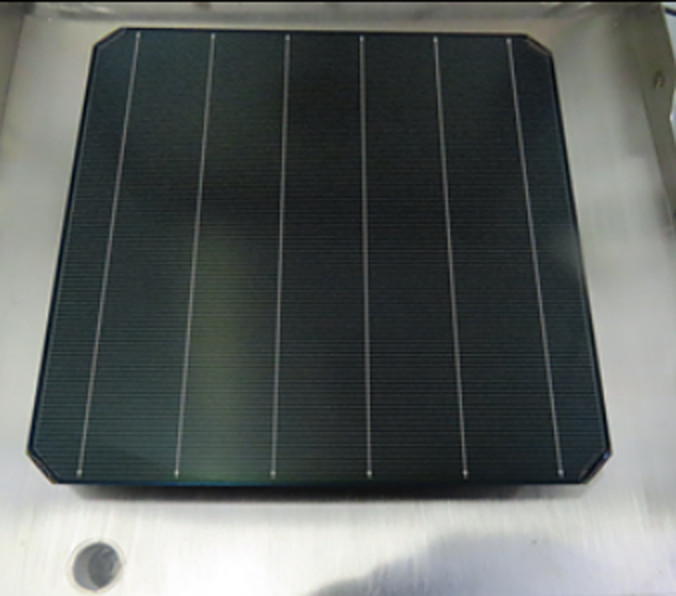
Longi researchers reveal how edge masking reduces recombination losses in solar cells
Longi researchers found that edge masking improves the measured efficiency of heterojunction back-contact solar cells by suppressing edge recombination, with an optimal masking width of 5 mm. Their simulations suggest that selective metallisation could further increase efficiency from 26.85% to a theoretical maximum of 27.39%.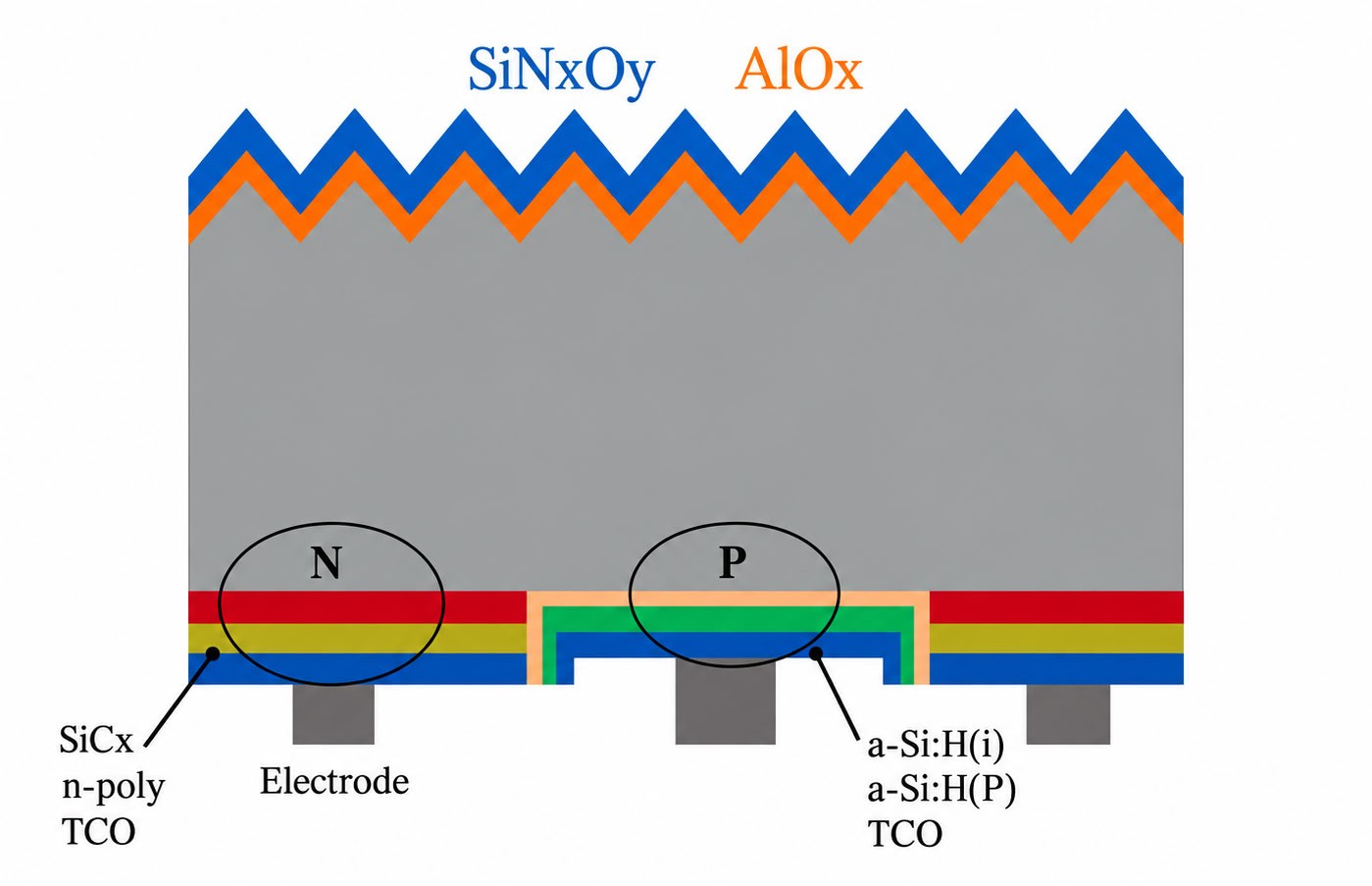
JinkoSolar unveils 28%-efficient back-contact TOPCon solar cell with amorphous silicon HJT passivation
JinkoSolar has unveiled its first back-contact solar cell technology, combining TOPCon and heterojunction passivation in a new architecture called TAC. The Chinese manufacturer reported a peak cell conversion efficiency of 28%.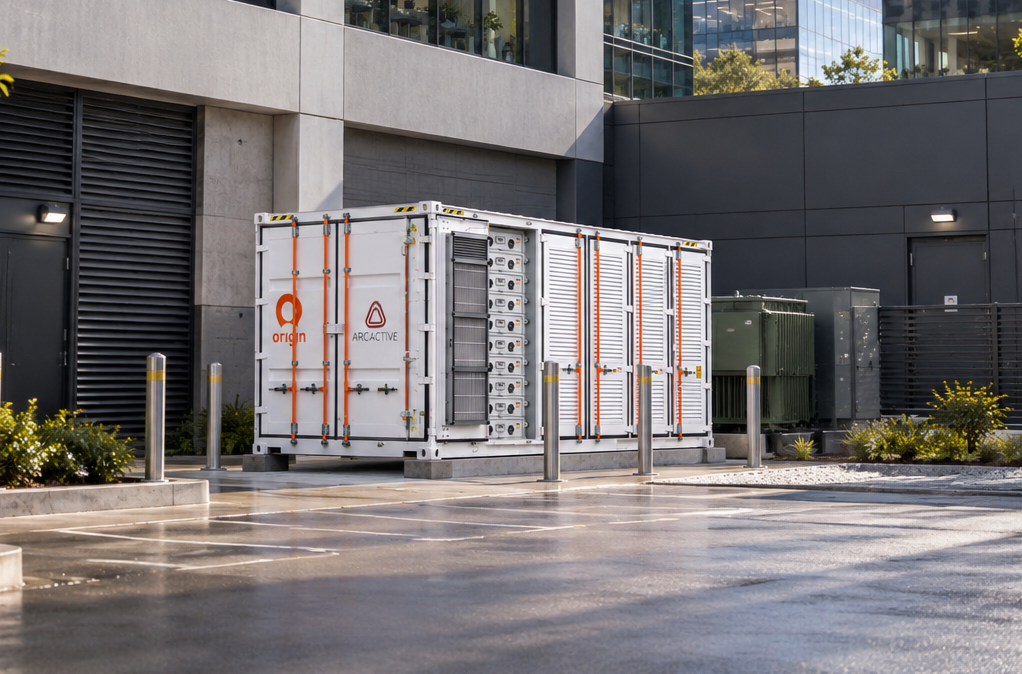
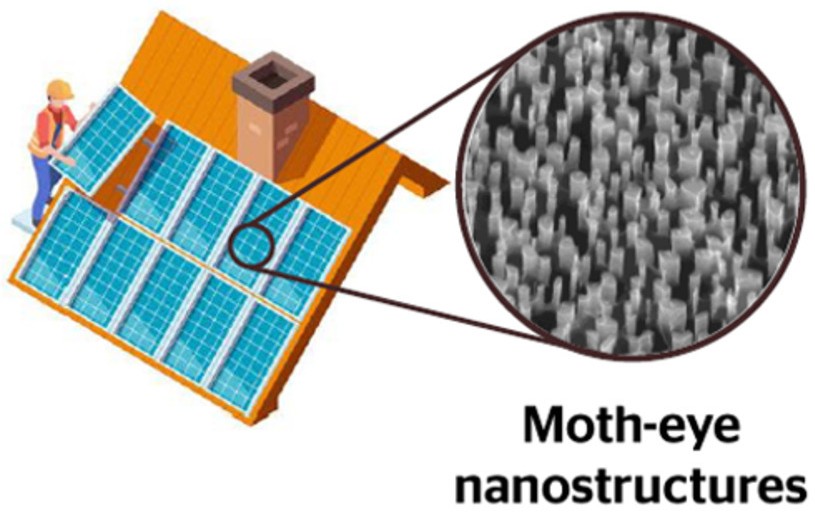
Scientists develop moth-eye-inspired antireflective surfaces for PV modules
Researchers in Portugal have investigated the mechanical durability of moth-eye-inspired antireflective silicon surfaces for photovoltaic applications. They found that repeated sliding causes nanopillar fracture and material compaction, with higher mechanical loads leading to increased friction and wear.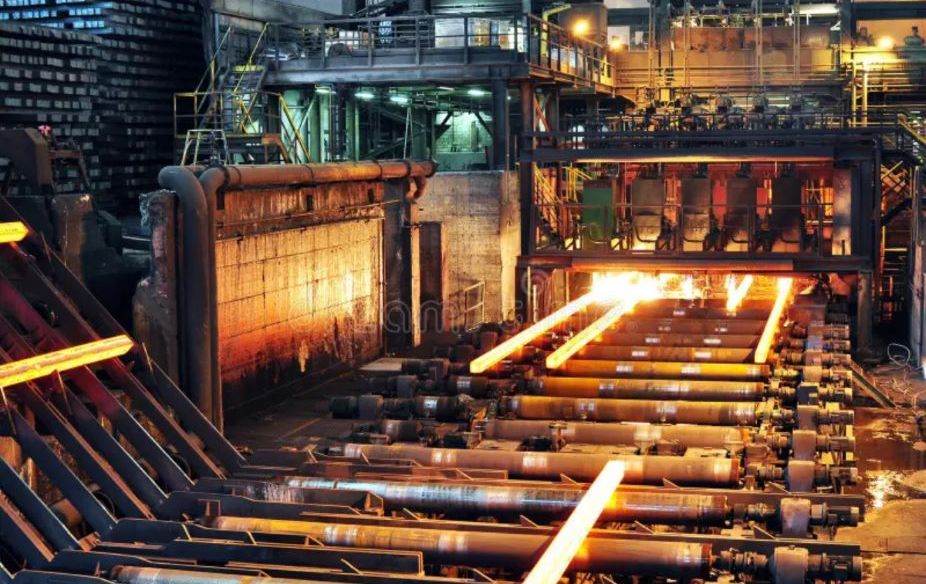
Advertisement
All Research & Development news
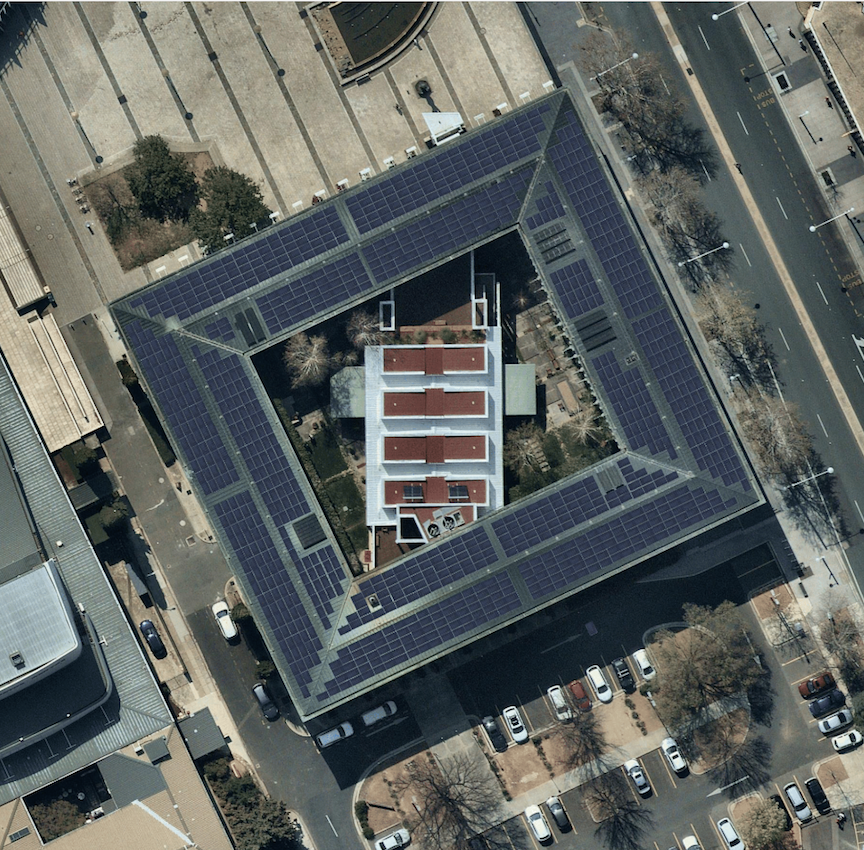
Canberra CBD rooftops could host at least 46 MW of solar PV
Spatial analysis of solar potential shows that at least a third of the rooftops in the central business district of Canberra could host solar panels, thus saving on the land needed to provide a substantial proportion of city’s power needs with PV.

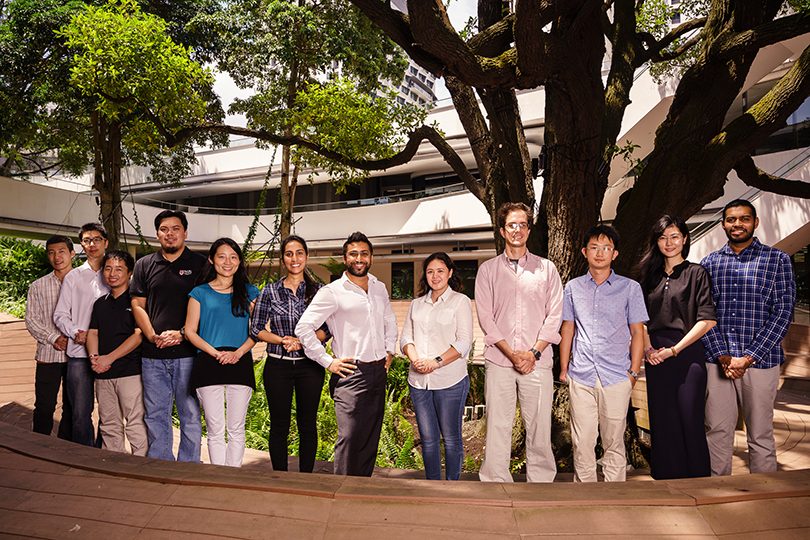
Singaporean solar researchers reach 21.5% efficiency on MonoPoly cell technology, presents rival to PERC
The Solar Energy Research Institute of Singapore (SERIS) announced a new efficiency milestone, achieving 21.5% average cell efficiency for its fully screen printed bifacial silicon technology. According to SERIS, the milestone was achieved at pilot-scale production using commercially available wafers
Advertisement
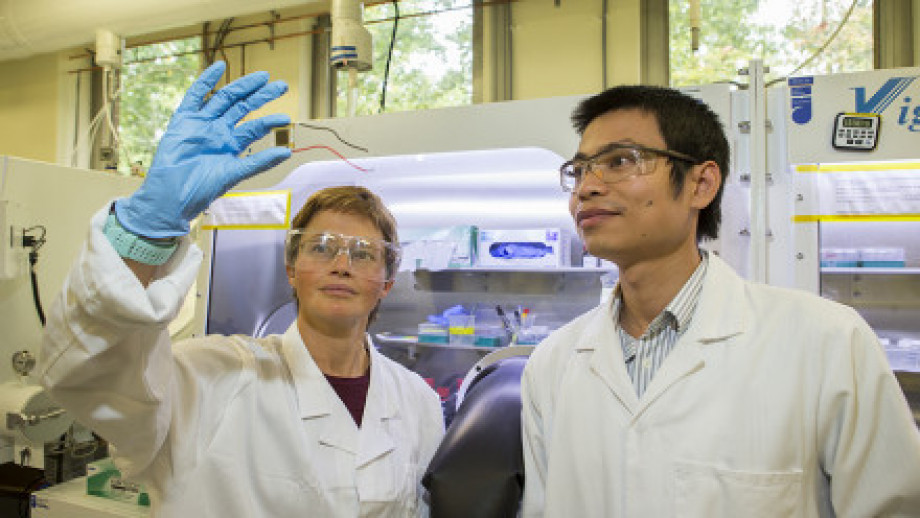

CRC-P awards $8.34 million for three green projects
Under the Cooperative Research Center Program 4th Selection Round, the Australian Federal Government will extend a grant for a smart home energy management system. Other awarded green projects involve an energy storage technology alternative for lithium-ion batteries and innovative generation of low cost, zero-emission, reliable electricity.

ARENA grants $6 million to Greatcell to advance perovskites
A funding agreement has been signed between Australian solar cell producer Greatcell and the Australian Renewable Energy Agency, which pledged to allocate $6 million to underpin commercial development of perovskite solar cells.
Dec 12, 2017
Advertisement

Australia’s carbon emissions target within reach at zero net cost
Given the current pace of installation of new wind and solar power facilities, Australia’s commitments to carbon reduction made at the COP21 climate conference in Paris can be met at zero net cost, shows a new study by Australian National University.

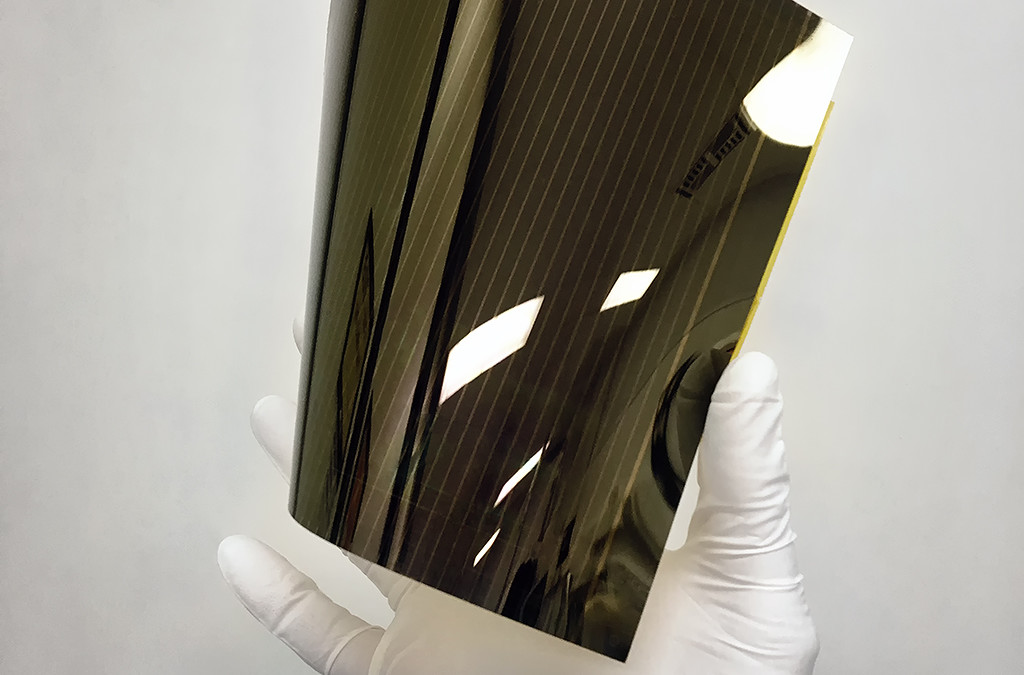
Solliance hits new perovskite milestone
European research group Solliance has announced new conversion efficiencies of 13.5% (cell) and 12.2% (module) for its perovskite based PV technology. The group states that the records were achieved in a factory setting, using an industrially scalable roll to roll process.
Advertisement