Research & Development

Australia is home to some of the world’s leading solar research institutions, including UNSW and ANU, which have pioneered advances in PV efficiency and sustainable energy systems. This category reports on cutting-edge R&D in solar cell technology, materials science, energy storage, hydrogen production, and system integration. It also covers government and industry-funded innovation programs, pilot projects, and university spin-offs. As Australia works toward a decarbonised future, research and innovation remain critical to overcoming technical, environmental, and economic challenges in solar deployment at scale.
Advertisement
Advertisement
Advertisement
Latest News
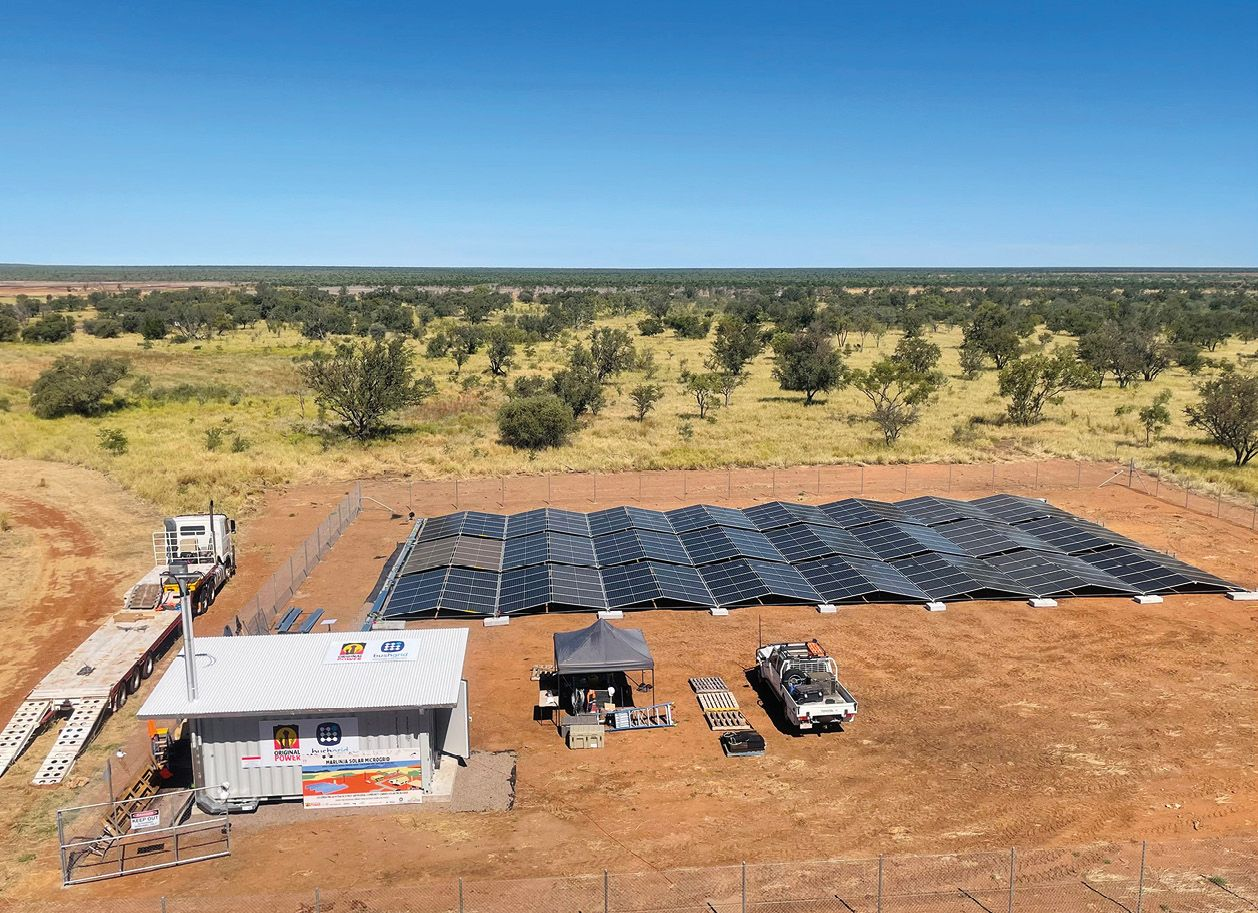
UNSW researchers find east-west ground-mounted PV shows less degradation than single-axis tracking counterparts
Researchers at the University of New South Wales found that east-west ground-mounted PV systems can experience up to 40% lower rates of certain degradation mechanisms than single-axis trackers. Their simulations showed that lower operating temperatures and reduced UV exposure could improve module reliability, particularly in remote installations.
5 hours ago
Advertisement
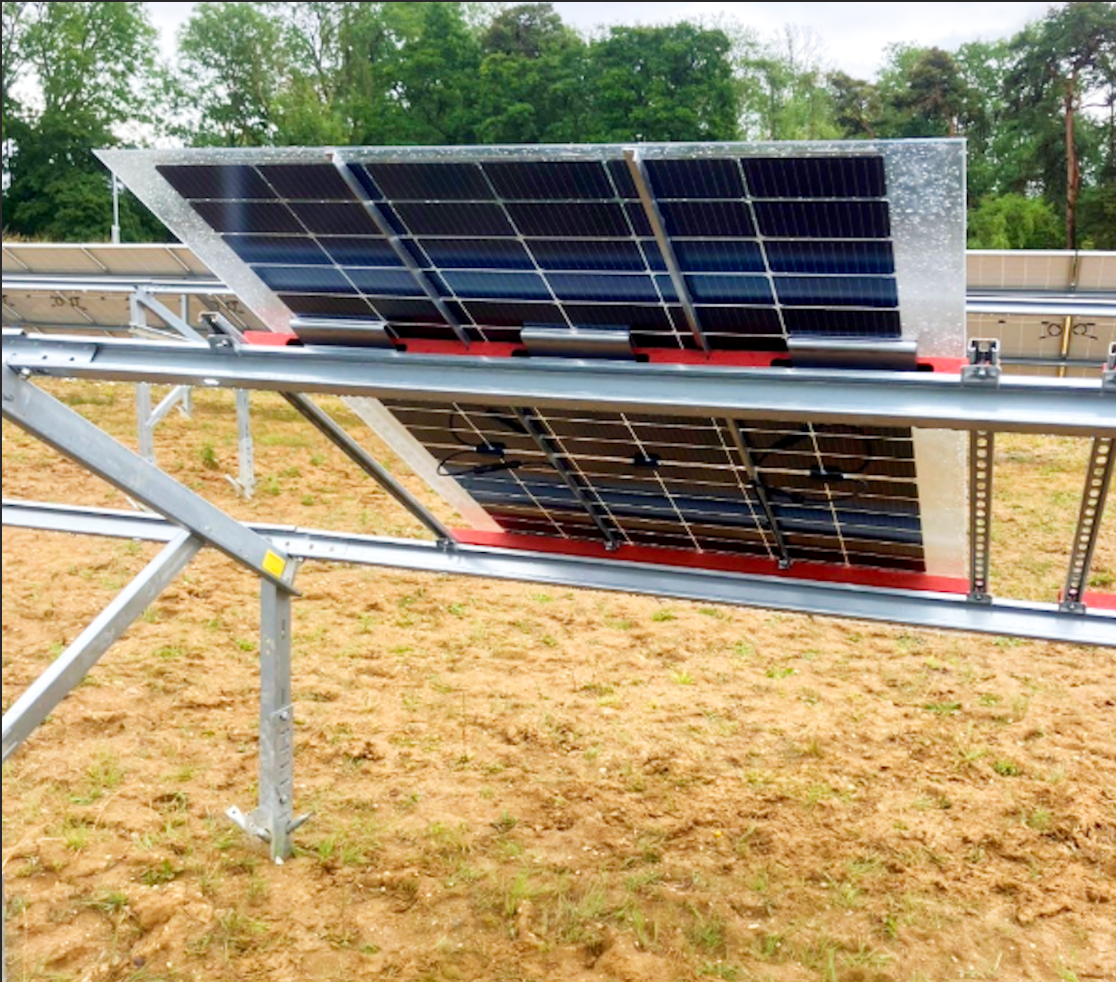
Construction innovations could cut gigawatt-scale solar costs by 22%
Research from Lightsource bp finds combining automated foundation piling, steel-frame solar panels, bolt-free solar module installations and on-site pre-assembly could also reduce installation time of gigawatt-sized solar farms by up to 30%.
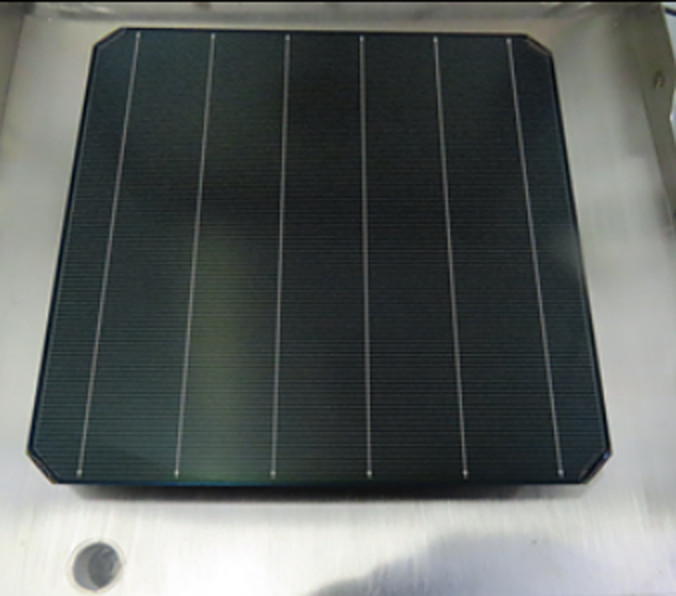
Longi researchers reveal how edge masking reduces recombination losses in solar cells
Longi researchers found that edge masking improves the measured efficiency of heterojunction back-contact solar cells by suppressing edge recombination, with an optimal masking width of 5 mm. Their simulations suggest that selective metallisation could further increase efficiency from 26.85% to a theoretical maximum of 27.39%.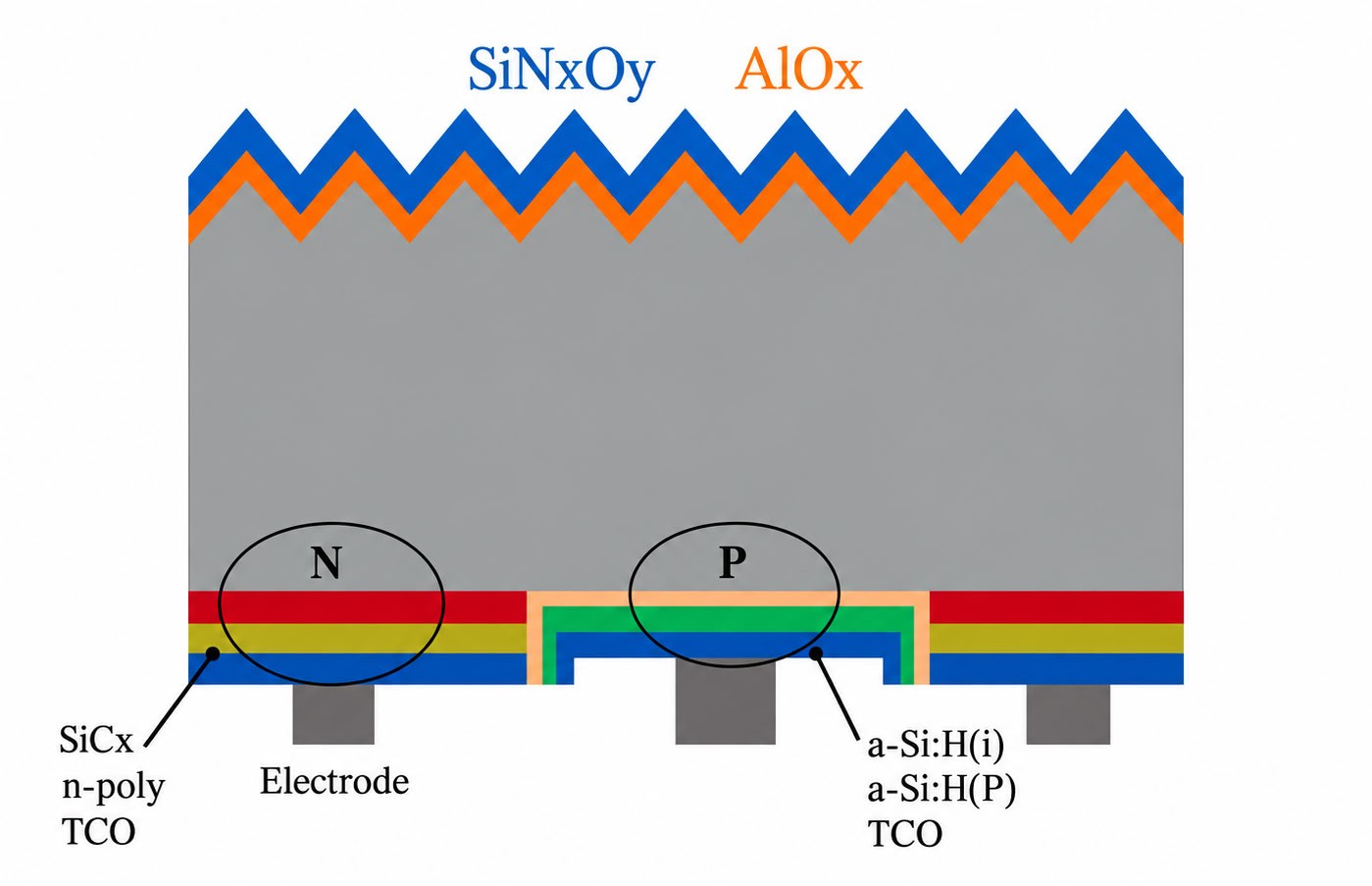
JinkoSolar unveils 28%-efficient back-contact TOPCon solar cell with amorphous silicon HJT passivation
JinkoSolar has unveiled its first back-contact solar cell technology, combining TOPCon and heterojunction passivation in a new architecture called TAC. The Chinese manufacturer reported a peak cell conversion efficiency of 28%.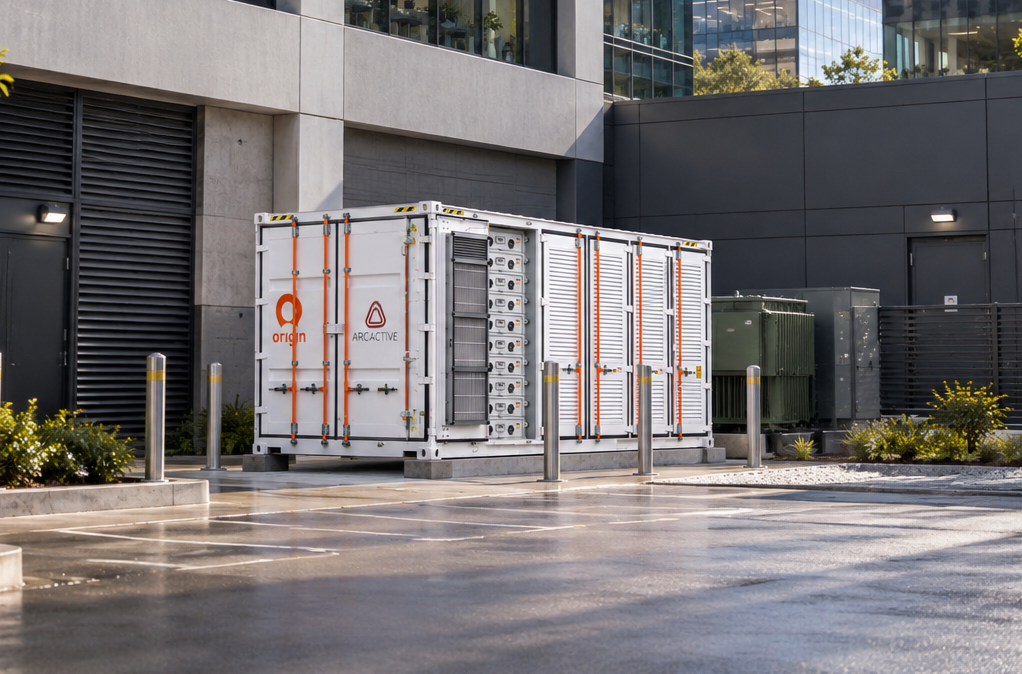
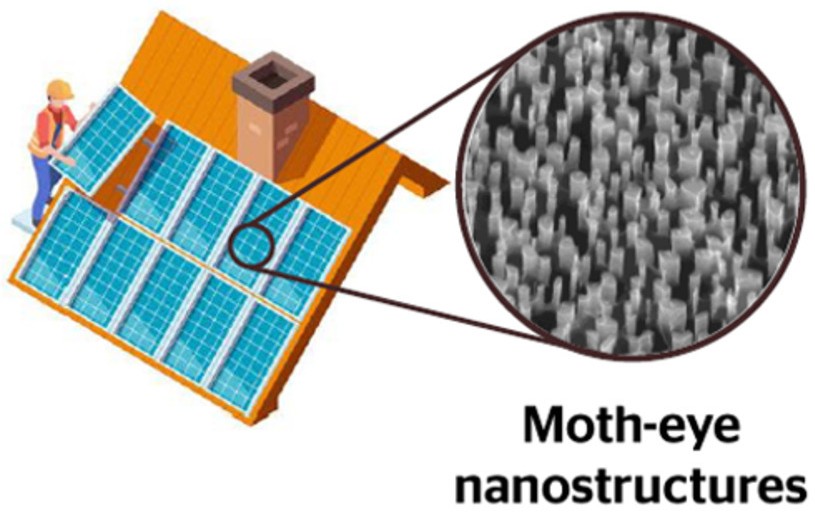
Scientists develop moth-eye-inspired antireflective surfaces for PV modules
Researchers in Portugal have investigated the mechanical durability of moth-eye-inspired antireflective silicon surfaces for photovoltaic applications. They found that repeated sliding causes nanopillar fracture and material compaction, with higher mechanical loads leading to increased friction and wear.
Advertisement
All Research & Development news
Solliance hits new perovskite milestone
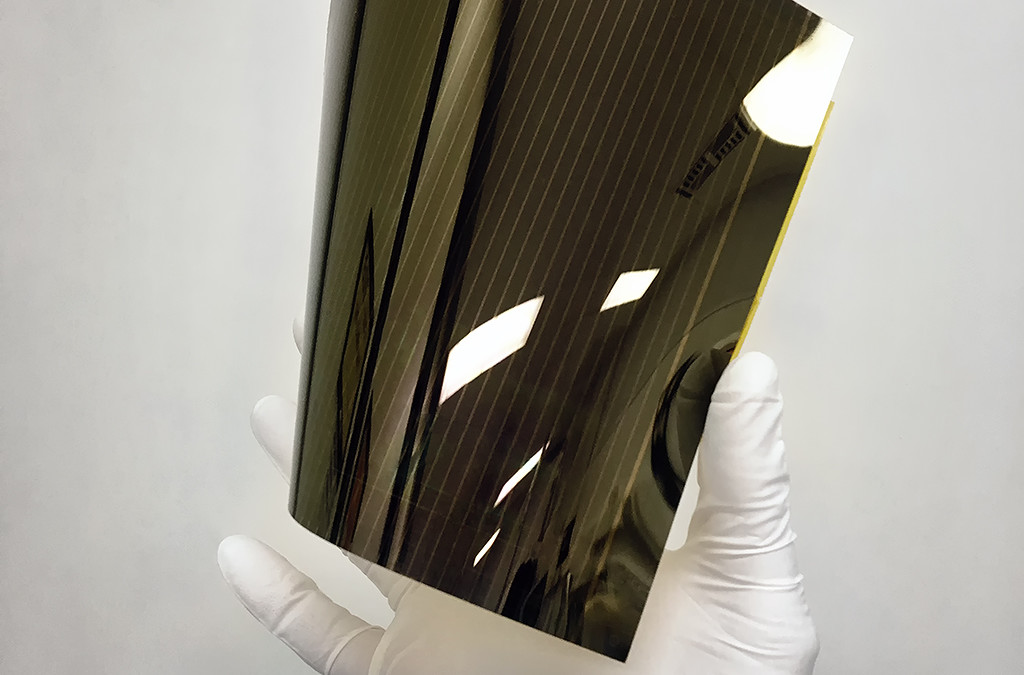
European research group Solliance has announced new conversion efficiencies of 13.5% (cell) and 12.2% (module) for its perovskite based PV technology. The group states that the records were achieved in a factory setting, using an industrially scalable roll to roll process.

ARENA launches International Engagement Program
The Australian Renewable Energy Agency (ARENA) is providing $5 million to encourage international collaboration between Australian and international renewable energy researchers and professionals. The International Engagement Program (IEP) hopes to accelerate innovation and the commercialisation of home grown cleantech.

Advertisement


Advertisement


Australian universities create Centre of Excellence in Exciton Science
Several of Australia’s top universities are working together on gaining a better understanding of excitons. The Centre of Excellence in Exciton Science is a partnership led by the University of Melbourne alongside other top Australian universities and organizations, and consists of a team with a broad range of expertise in physics, chemistry, mathematics, engineering and other disciplines.
Advertisement