




Australia, like other carbon‑intensive nations, must take decisive action to prevent climate change impacts from becoming irreversible. An important part of this action must include a rapid shift away from fossil fuels to renewables, storage, and energy efficiency.
Sadly, the energy transition is increasingly bogged down in a culture war quagmire that is driven by conservative media, politicians and vested interests. Misinformation is rife, and shared widely on social media.
A common line of attack against renewable energy systems – such as wind turbines, solar panels and batteries – is the supposed ‘threat’ of heightened fire risk.
In reality, renewable power facilities do not present a significant fire hazard, though battery storage does raise specific considerations that must be carefully managed.
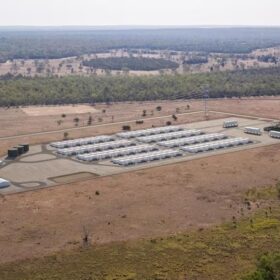
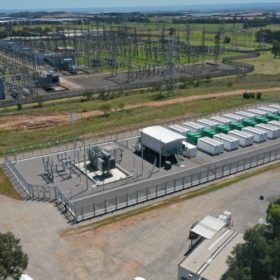
The Australian Firefighters Climate Alliance (AFCA) has produced a briefer to consider the risk profile of storage and the practicalities of responding to fires in Battery Energy Storage Systems (BESS) facilities.
AFCA spokesperson Cam Walker said, “we hope it helps to offset some of the misinformation and hysteria that is often promoted by anti-renewables activists, by providing information from sources that can be easily verified.”
Walker noted that any new human activity in rural areas brings some level of new fire risk. That is true of housing, farming, and industrial land uses, each of which has a specific risk profile. BESS systems do bring particular risks that need to be managed.
“However, anti-renewables campaigners frequently radically overstate the risks associated with energy storage facilities, creating fear in communities where BESS are proposed or may be located in the future. When communities are exposed to unknown technology within a negative frame that is designed to promote fear, it is hard to have informed public conversations about planning issues. We hope that this briefing provides a more reasoned approach to the question of development of BESS facilities, one that leads to informed community involvement in decision making.”
The briefer covers:
- Planning to reduce risks
- Frequency of fires in BESS systems
- Smoke composition and potential contamination risks
- Firefighting approaches for BESS facilities
You can find the briefing paper at the link below.


By submitting this form you agree to pv magazine using your data for the purposes of publishing your comment.
Your personal data will only be disclosed or otherwise transmitted to third parties for the purposes of spam filtering or if this is necessary for technical maintenance of the website. Any other transfer to third parties will not take place unless this is justified on the basis of applicable data protection regulations or if pv magazine is legally obliged to do so.
You may revoke this consent at any time with effect for the future, in which case your personal data will be deleted immediately. Otherwise, your data will be deleted if pv magazine has processed your request or the purpose of data storage is fulfilled.
Further information on data privacy can be found in our Data Protection Policy.