First Nations wisdom improves AI solar power prediction model by 14.6%
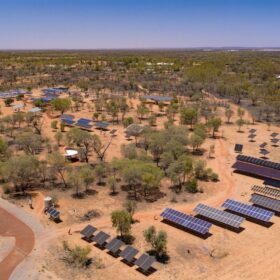
Researchers have combining advanced AI techniques with First Nations seasonal data and discovered a 14.6% more accurate way to predict solar power generation, with potential to improve renewable energy planning.
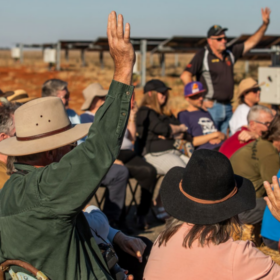
Benefits sharing guide launched for communities in renewable energy zones
Community Power Agency has released a guide for regional communities hosting multiple renewable energy projects to promote benefit sharing strategies that ensure a stake over the next 25 years in an estimated $1.9 billion opportunity.

Four-year outdoor testing shows perovskite cells suffer from high seasonality
Testing conducted by the Helmholtz-Zentrum Berlin in Germany has shown that perovskite solar cells operating at high latitudes in Europe may suffer from higher performance losses in winter compared to conventional PV devices. The scientists warned, however, that at lower latitudes this seasonality may be less pronounced.
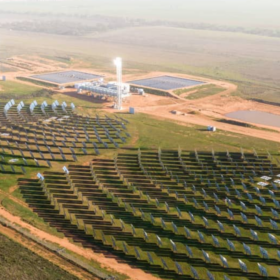
AGL aquires long-duration electro-thermal project from Photon Energy
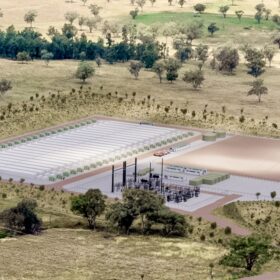
AGL Energy has acquired the 150 MW solar, 90 MW thermal, and 720 MWh of storage Yadnarie Project from Dutch developer Photon Energy, and follows the project’s development approval received in June.
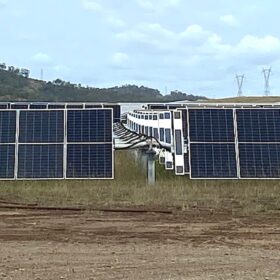
Zen gets federal green light for solar and battery project
Zen Energy’s plan to build a 100 MW solar project and 200 MW battery with up to eight hours of storage capacity in southeast Queensland has been waved through the federal environmental approvals process.
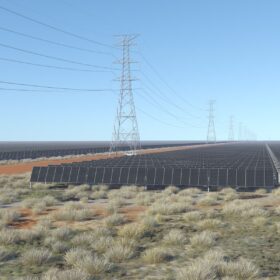
Federal government keeps faith in SunCable project
SunCable has welcomed the federal government’s decision to renew major project status for its Australia-Asia PowerLink project that would send up to 6 GW of renewable power from the Northern Territory to industries and urban centres in Darwin and Singapore.
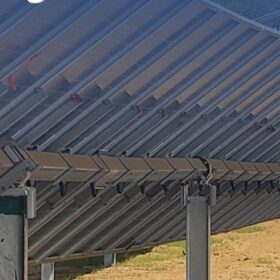
GameChange Solar introduces terrain-following tracker
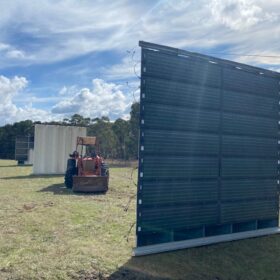
United States-headquartered manufacturer GameChange Solar says its Genius Tracker TF supports slopes of up to 1.7 degrees between posts, thereby reducing land grading costs.
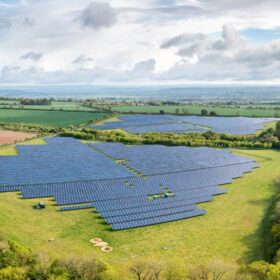
UK developer secures $718 million financing for 609 MW solar, battery portfolio
British Solar Renewables has reached financial close on a 12-project solar portfolio with three co-located battery assets. The $718 million financial package covers 536 MW of PV capacity and 146 MWh of energy storage in the United Kingdom and Australia.
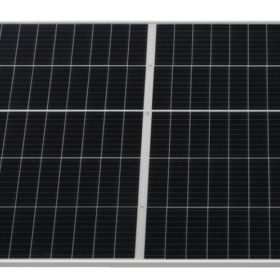
Risen hits 740 W average for mass-produced HJT module
Risen Energy says it has achieved an average power output of 740 W for its mass-produced heterojunction solar module, with certified cell efficiency of 26.61% and module efficiency of 24.81%, according to China’s Fujian Metrology Institute. Encapsulation losses were limited to 1.8%.
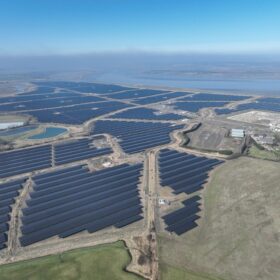
Quinbrook brings largest UK solar plant online
Australian-owned developer Quinbrook Infrastructure Partners has announced that its 373 MW Cleve Hill Solar Park – the largest solar plant in the United Kingdom to date – is now exporting 100% of its capacity to the grid. Under construction, co-located energy storage is to come online later.