




Codirected by Professor Sara Couperthwaite and Professor Raja Jurdak, the Queensland University of Technology (QUT) Energy Transition Centre (ETC) brings together researchers, industry, government and community partners to drive innovation across the full energy ecosystem – from critical minerals and battery manufacturing to digital energy systems, grid resilience and policy reform.
Professor Couperthwaite said the Centre was created to help Australia meet the scale and urgency of the energy transition. Its brief includes developing crucial sectors of the economy and bringing innovative clean energy solutions to consumers.
“Australia has the opportunity to lead the world in sustainable energy systems, but it requires deep collaboration across minerals, manufacturing, digital technologies and policy,” Professor Couperthwaite said.
“Our new Centre brings these capabilities together so we can accelerate innovation and deliver real world impact.”
The Centre’s five major research themes span the entire energy supply chain – sustainable minerals, resources and infrastructure; energy production and storage; integrated energy systems; the internet of energy; and energy policy, markets and human factors.
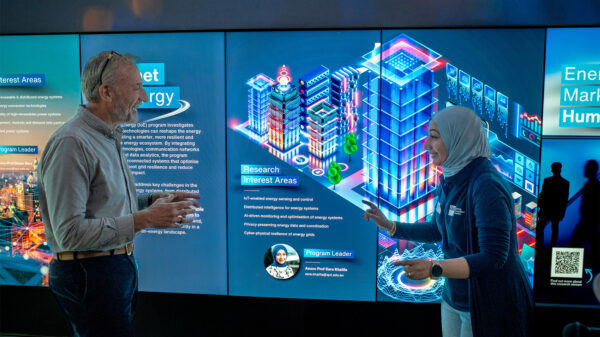
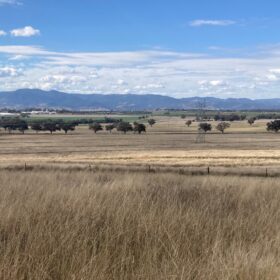
Image: Cameron Johnston
Professor Jurdak said the Centre was already working with partners across industry and government to translate research into practical solutions.
“We’re building the digital, technical and policy foundations needed for a resilient, affordable and low emissions energy future,” Professor Jurdak said.
“Our researchers are developing next generation batteries, smarter grid technologies and data driven energy systems that support Australia’s net zero ambitions.”
The Centre has already secured more than $27 million in active grants across minerals, batteries, hydrogen and grid systems, and recently established the $15 million QUEST Hub with the Queensland Government to support the state’s emerging battery industries and sovereign capabi
Professor Couperthwaite said the Centre was designed to be a catalyst for national impact.
“We want industry, government and community partners to see this as their Centre—a place where challenges can be brought, solutions can be codesigned and Australia’s energy future can be shaped together,” she said.

By submitting this form you agree to pv magazine using your data for the purposes of publishing your comment.
Your personal data will only be disclosed or otherwise transmitted to third parties for the purposes of spam filtering or if this is necessary for technical maintenance of the website. Any other transfer to third parties will not take place unless this is justified on the basis of applicable data protection regulations or if pv magazine is legally obliged to do so.
You may revoke this consent at any time with effect for the future, in which case your personal data will be deleted immediately. Otherwise, your data will be deleted if pv magazine has processed your request or the purpose of data storage is fulfilled.
Further information on data privacy can be found in our Data Protection Policy.