




The prototype, known as SunSpring, uses a floating porous membrane embedded with microscopic carbon “flowers” that absorb sunlight and convert it into heat. The membrane reaches temperatures high enough to distil seawater, producing up to 18 litres of fresh drinking water per day.
Co-author Professor Neil Cameron, Monash Warwick Alliance Professor of Polymer Materials at Monash Materials Science and Engineering, said the system was designed to prevent salt build-up, a common barrier to long-term use in high-salinity environments.
“This solar still, which we have called SunSpring, generates up to 18 litres of fresh, drinkable water per day from seawater and can operate continuously without becoming clogged by salt deposits,” Professor Cameron said.
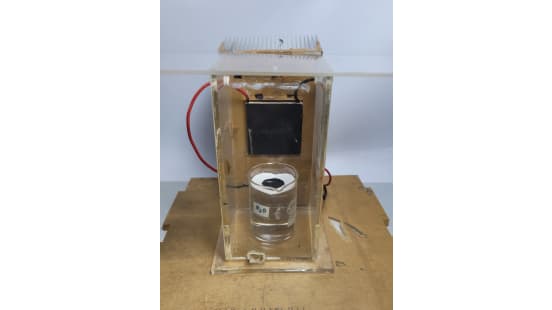
The system is housed in a clear perspex enclosure to create a controlled environment that separates evaporation from condensation.
Researchers say the strongest potential applications are in remote and economically disadvantaged communities without reliable grid electricity, as well as arid regions experiencing chronic water scarcity.
Nearly 30 per cent of the global population lives in areas where high water stress overlaps with economic disadvantage and high solar irradiation.
The team is currently working to refine the design ahead of field trials. Commercial development will be considered following successful testing and optimisation of a larger version of the SunSpring system.
Read the research paper: https://doi.org/10.1002/advs.202511600






By submitting this form you agree to pv magazine using your data for the purposes of publishing your comment.
Your personal data will only be disclosed or otherwise transmitted to third parties for the purposes of spam filtering or if this is necessary for technical maintenance of the website. Any other transfer to third parties will not take place unless this is justified on the basis of applicable data protection regulations or if pv magazine is legally obliged to do so.
You may revoke this consent at any time with effect for the future, in which case your personal data will be deleted immediately. Otherwise, your data will be deleted if pv magazine has processed your request or the purpose of data storage is fulfilled.
Further information on data privacy can be found in our Data Protection Policy.