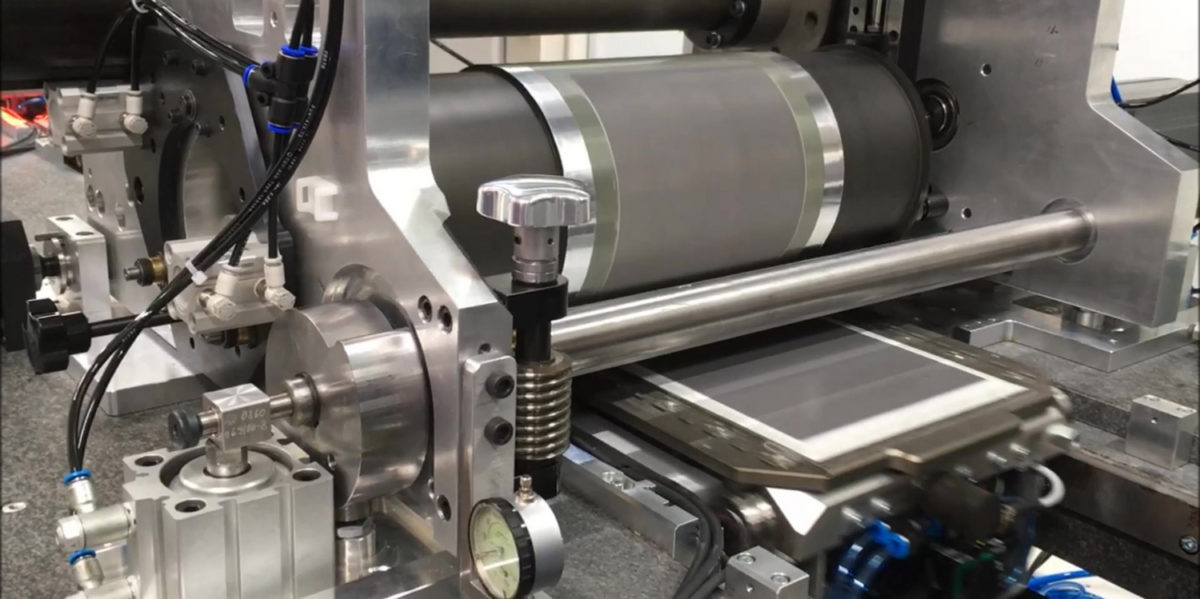





Coordinated wafer price increases and upstream supply discipline are prompting a potential reset in China’s solar pricing chain. The country’s leading wafer manufacturers have jointly raised wafer quotes by roughly 12%, in a move that market participants are treating as a test of whether the solar supply chain can reset pricing after two years of oversupply-driven deflation.
According to multiple reports, Longi, TCL Zhonghuan, Gokin Solar, and Shuangliang Silicon Materials increased offers on mainstream n-type formats on the afternoon of Dec. 25. Prices now stand at CNY 1.40 per piece for 183N wafers, CNY 1.50 for 210RN, and CNY 1.70 for 210N.
The move comes as Chinese industry bodies and policymakers continue to implement “anti-involution” measures aimed at curbing loss-making competition and accelerating capacity exits. Pricing signals have also begun to appear downstream.
InfoLink Consulting has said that leading module brands recently lifted module quotes by CNY 0.02/W to CNY 0.04/W. Distributed-generation deals in China are typically closing around CNY 0.68/W to CNY 0.71/W, while utility-scale tunnel oxide passivated contact (TOPCon) module deliveries were largely CNY 0.64/W to CNY 0.70/W.
Sinolink Securities renewables analyst Yao Yao projected a more bullish 2026 pricing scenario, estimating integrated module prices of CNY 0.88/W to CNY 0.99/W if supply discipline holds and selling prices return toward full-cost coverage. This outlook implies polysilicon prices of CNY 55,000 to CNY 75,000 per metric ton and a broader industry shift from survival toward profitability repair.
The gap between today’s prevailing module price bands and Sinolink’s 2026 range suggests the market could accept a roughly 40% price increase. Industry checks indicate the wafer hike is supported by upstream cost pressure and curtailed output. The critical question is whether higher wafer and cell prices can be maintained through module contracts without triggering pushback from price-sensitive utility projects.
For now, the coordinated wafer increase is being interpreted as a sign that China’s PV supply chain is attempting a managed reset, potentially making 2026 the first year of meaningful module price increases rather than mere stabilisation.
This content is protected by copyright and may not be reused. If you want to cooperate with us and would like to reuse some of our content, please contact: editors@pv-magazine.com.



By submitting this form you agree to pv magazine using your data for the purposes of publishing your comment.
Your personal data will only be disclosed or otherwise transmitted to third parties for the purposes of spam filtering or if this is necessary for technical maintenance of the website. Any other transfer to third parties will not take place unless this is justified on the basis of applicable data protection regulations or if pv magazine is legally obliged to do so.
You may revoke this consent at any time with effect for the future, in which case your personal data will be deleted immediately. Otherwise, your data will be deleted if pv magazine has processed your request or the purpose of data storage is fulfilled.
Further information on data privacy can be found in our Data Protection Policy.