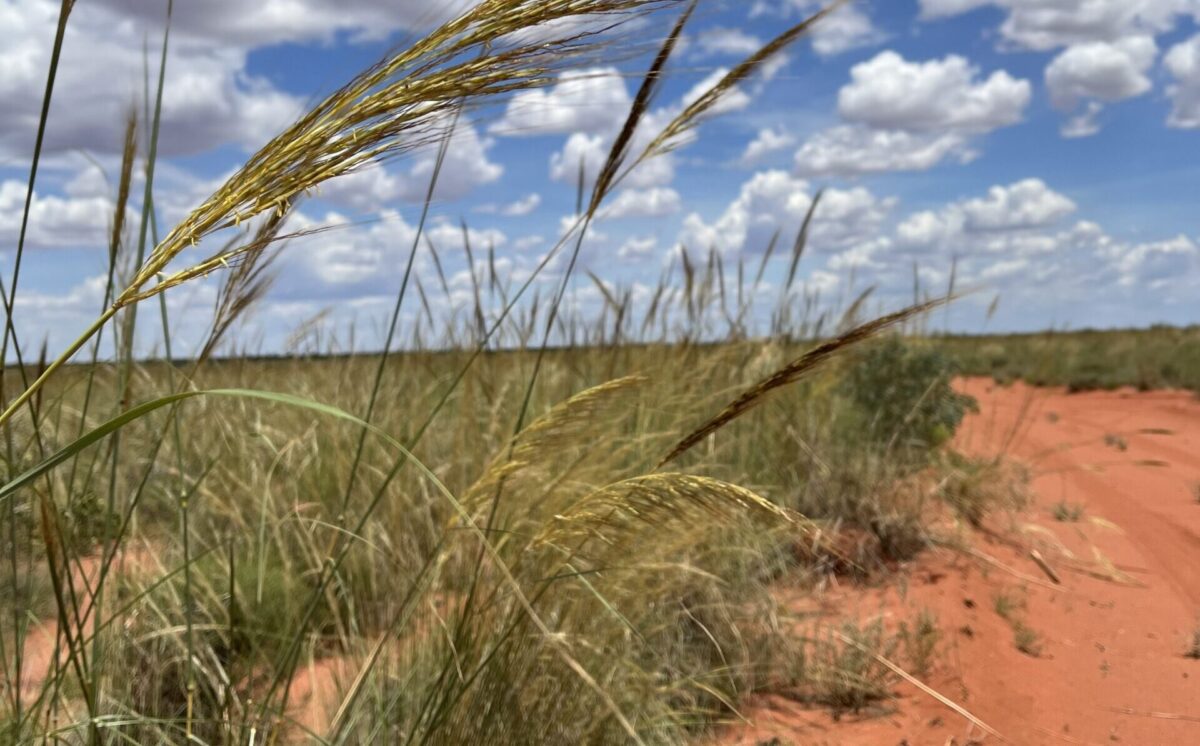





Intercontinental Energy (ICE) has secured a $21 million (USD 14.73 million) grant from the federal government to support the development of its Australian Renewable Energy Hub (AREH) project, that aims to combine 26 GW of renewables to produce 1.6 million tonnes of green hydrogen per year.
Perth-headquartered ICE said the Australian Renewable Energy Agency (ARENA) funds will support the next detailed phase of technical, economic and regulatory progress on the AREH, being developed in Western Australia’s Pilbara region.
The studies will focus on green hydrogen production at Boodarie near Port Hedland, and integration with industrial partners, as well as environmental, water and social licence considerations for the project which would underpin green iron efforts in the Pilbara by producing large volume and low-cost green hydrogen.
AREH Chief Executive Officer Neil Parker said the new funding, that comes after the project was granted Major Project Status by the federal government in 2024, would accelerate the hub’s development.
“This funding allows us to advance the rigorous engineering, design and commercial analysis needed to progress AREH and its ability to supply new industrial clusters in the Pilbara,” he said.
“It brings us closer to delivering large‑scale, low‑cost green hydrogen, supporting a Future Made in Australia agenda and positioning the Pilbara as a leading global centre for green iron manufacturing.”
The 26 GW project, previously known as the Asian Renewable Energy Hub, is proposed for a 6,500-square kilometre site about 250 km northeast of Port Hedland, and would service industries throughout the Pilbara such as mines and mineral processing.
At full capacity, AREH could produce up to 1.6 million tonnes of green hydrogen per annum. Hydrogen produced by the mega project, now wholly owned by ICE after oil and gas major BP pulled out of the project last year, is planned to be used for ammonia and green iron production.
Isaac Hinton, head of ICE’s Australian operations, said the project can help transform the Pilbara, enabling new industries and positioning the region as a global centre for green iron.
“For the Pilbara to remain a major source of jobs and growth for Australia in the decades ahead, it must evolve from exporting iron ore to producing green iron,” he said.
“As global customers increasingly demand affordable green iron, there is an incredible strategic opportunity for the Pilbara to combine its world-class renewable energy and iron ore resources to capture more of the value chain.”
ICE has previously indicated a final investment decision was expected in 2028 with first power anticipated in 2030.
This content is protected by copyright and may not be reused. If you want to cooperate with us and would like to reuse some of our content, please contact: editors@pv-magazine.com.

By submitting this form you agree to pv magazine using your data for the purposes of publishing your comment.
Your personal data will only be disclosed or otherwise transmitted to third parties for the purposes of spam filtering or if this is necessary for technical maintenance of the website. Any other transfer to third parties will not take place unless this is justified on the basis of applicable data protection regulations or if pv magazine is legally obliged to do so.
You may revoke this consent at any time with effect for the future, in which case your personal data will be deleted immediately. Otherwise, your data will be deleted if pv magazine has processed your request or the purpose of data storage is fulfilled.
Further information on data privacy can be found in our Data Protection Policy.