David Carroll

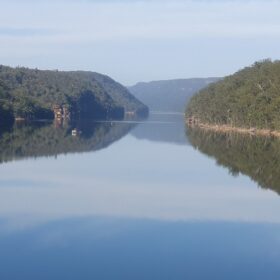
Australia’s green hydrogen plan faces water shortage
Green hydrogen is touted by some as the future – a way for Australia to slowly replace its reliance on fossil fuel exports. The energy-dense gas has the potential to reduce emissions in sectors challenging to decarbonise, such as steelmaking and fertiliser manufacturing.
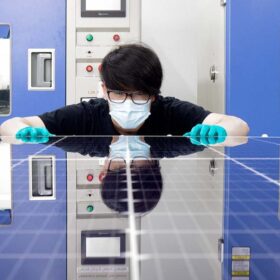
ARENA backs next-gen solar innovation with $60 million funding boost
The Australian government has announced $60 million in new funding for research and development projects that promise to accelerate cost reductions for PV technology and help meet the stretch target for “ultra low-cost” solar production.

CRT targets green hydrogen pain points with new electrolyser tech
Cavendish Renewable Technology has launched an advanced hybrid electrolysis platform that it says blends the strengths of solid oxide and alkaline technologies and addresses the pain points of green hydrogen adoption.
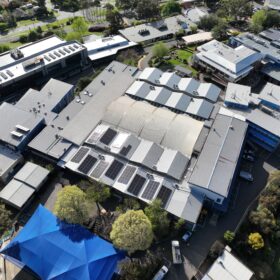
Real-time monitoring makes most of rooftop PV
An expanded 199 kW rooftop solar system and energy management system featuring 14 power meters is helping a Victorian college slash its annual energy costs with projections tipping savings of more than $21,000 per annum.
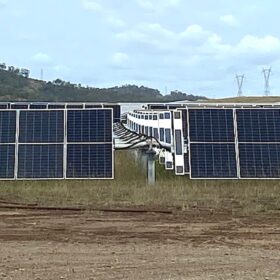
Zen gets federal green light for solar and battery project
Zen Energy’s plan to build a 100 MW solar project and 200 MW battery with up to eight hours of storage capacity in southeast Queensland has been waved through the federal environmental approvals process.
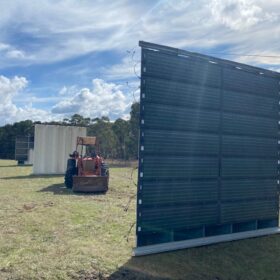
Solspan unveils vertical agrivoltaics solution
Australian company Solspan has unveiled a vertical solar wall system that it says will enable the dual purposing of agricultural land, helping to address land use concerns associated with the rollout of renewable energy projects.
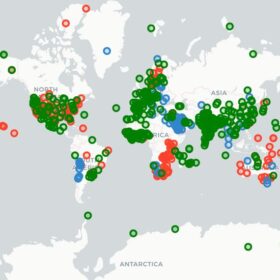
SolarStations.org: Mapping the future of solar resource assessment
IEA PVPS Task 16 recently introduced SolarStations.org, a global catalogue of solar irradiance monitoring stations designed for researchers, developers, and policymakers. This openly available resource catalogues more than 800 multi-component stations – of which more than 400 are currently active – offering a comprehensive view of high-quality ground-based solar data.
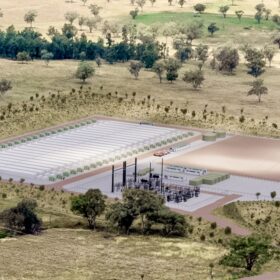
Ampyr hits financial close on 600 MWh Wellington battery first stage
Ampyr Australia, the local arm of Singapore-based developer Ampyr Energy, has achieved financial close for its 300 MW / 600 MWh Wellington stage one battery energy storage system project being developed in central west New South Wales.
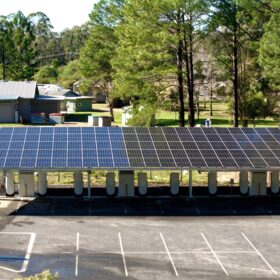
Tesla unveils 80 kW solar canopy at new EV charging site
Tesla has unveiled its largest electric vehicle charger solar canopy in Australia, pulling the wraps off an 80 kW PV array alongside the Pacific Highway in northern New South Wales.
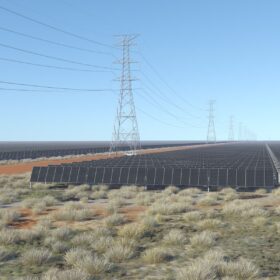
Federal government keeps faith in SunCable project
SunCable has welcomed the federal government’s decision to renew major project status for its Australia-Asia PowerLink project that would send up to 6 GW of renewable power from the Northern Territory to industries and urban centres in Darwin and Singapore.