Marija Maisch

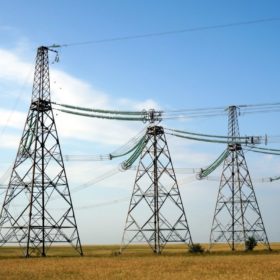
AEMO publishes final MLFs for 2020-21
The Australian Energy Market Operator’s final marginal loss factor report for 2020-21 provides some good news for operational large-scale solar projects delivering only smaller changes compared to those seen in preceding years. However, the reduced need for MLF adjustments came as a result of a slowdown in new project development and additional network constraints.
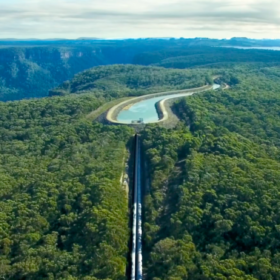
600 MW Oven Mountain pumped hydro project gets ARENA funding to prove its viability
The Australian Renewable Energy Agency (ARENA) is providing nearly one million dollars for a study that will analyze the benefits that pumped hydro energy storage would have on the development of the New England Renewable Energy Zone in northern New South Wales.
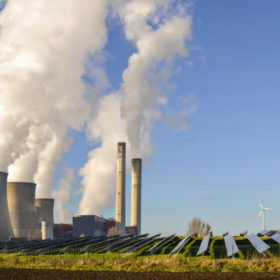
Global coal generation fell by a record amount in 2019, while COVID-19 may cause bigger fall in 2020
Short- and long-term impacts of the pandemic on electricity markets are still unclear.
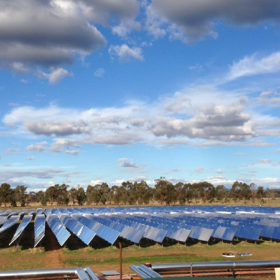
Jemalong solar farm starts construction largely unaffected by Covid-19
One of the largest solar projects scheduled to break ground this year has moved into the construction phase mostly unaffected by Covid-19 disruption.
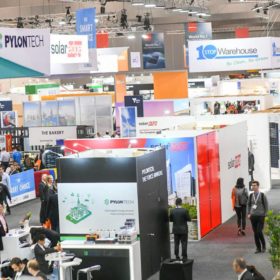
More postponements due to Covid-19
The list of clean energy industry events put on hold due to the Covid-19 outbreak is lengthening.
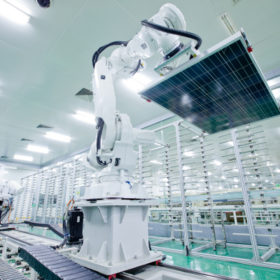
JinkoSolar secures credit line for Australian business
The module giant has signed a one-year $37 million line of credit agreement with the National Australia Bank.

Windlab lands loan to manage through project delays
The developer has secured a $20 million loan from Squadron Energy and Federation Asset Management, as it continues to struggle with connection delays on its Kennedy solar-wind-battery park.
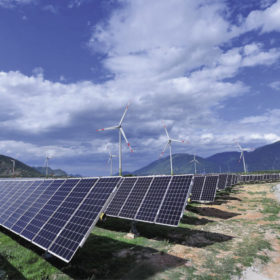
Covid-19 to wreck economics of new solar and wind projects
While the full extent of the impact of the Covid-19 pandemics on the renewable energy market is yet to reveal itself, Norwegian consultancy Rystad Energy predicts new solar and wind projects will grind to a halt this year and experience a ripple effect in the years beyond as currencies across the globe continue to fall against the US dollar.

AEMO: Lessons learned about VPP market participation
The Australian Energy Market Operator (AEMO) has published its first knowledge sharing report under its landmark virtual power plant (VPP) demonstrations program, which is intended to provide insights into the scalability and network services potential of VPPs. The report details how the South Australia-based Tesla-Energy Locals VPP responded to price signals and frequency level and helps further understand the benefits consumers can have from participating in VPPs.
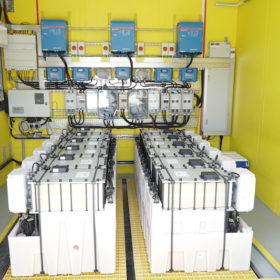
Swansea University to install Redflow battery at its solar classroom
The British university will use Redflow zinc-bromine flow batteries at its Active Building demonstrator – an award-winning classroom that generates, stores and releases solar energy at the point of use.