Marija Maisch

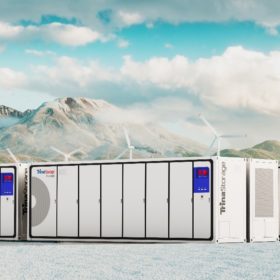
Trina launches grid-scale storage solution
Trina Storage’s new 2.1 MWh DC All-New Elementa solution is a modular LFP battery cabinet with a plug-in concept to connect multiple units. The company is ramping up battery manufacturing capacity to strengthen vertical integration, given supply chain risks throughout the world.
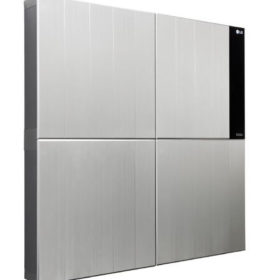
LG Energy Solution unveils new battery storage solutions, moves to LFP
South Korean battery manufacturer LG Energy Solution presented its latest innovations at the Smarter E event in Munich last week. It also announced its transition from nickel-manganese-cobalt (NMC) battery chemistry to lithium iron phosphate (LFP) in its future products.
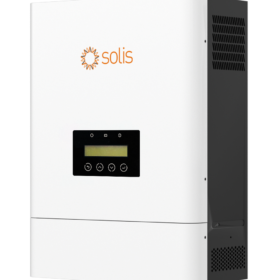
Solis unveils off-grid PV inverter
The S5-EO1P(4-5)K-48 series off-grid PV inverter has an efficiency of 96.7% and supports parallel operation of up to 10 units, which allows for a system capacity of up to 50 kW. According to the manufacturer, the device is compatible with all top-tier brands of lithium-ion and lead-acid batteries.
Ripple effects of Russia-Ukraine crisis on renewables
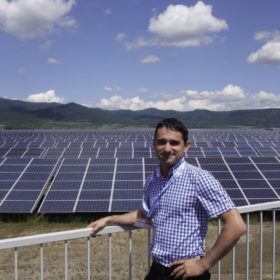
The war in Ukraine has acted as a brutal wake-up call for governments to act and reduce their dependence on Russian fossil fuels. Many have pledged to hasten project timelines for renewables, but there are mixed reports about impacts on investor confidence and projects under development in Ukraine’s neighboring countries. Marija Maisch reports.
Mobility rEVolution: Nissan moves forward with in-house all-solid-state battery production
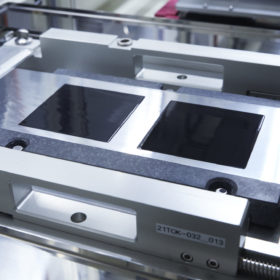
In other news, GM and Honda are jointly developing affordable EVs, the Biden administration holds an EV industry meeting, and Mercedes-Benz Energy agrees to supply EV batteries to BatteryLoop for its scalable, circular energy storage products.
Australian battery storage market passed 1GWh in 2021
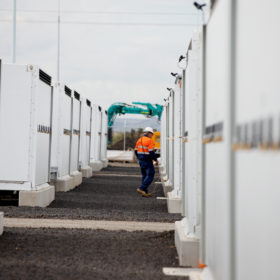
Australian deployment of battery storage remained steady in 2021, according to market research firm SunWiz, bringing cumulative installations to 1,089MWh.
Weekend read: Sodium-ion batteries go mainstream
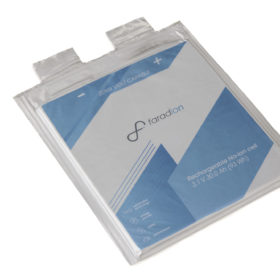
Sodium-ion batteries are emerging as a viable alternative to lithium-ion technology. Industrial heavyweights CATL and Reliance Industries, following the acquisition of UK-based sodium-ion specialist Faradion, are bent on bringing the technology out of the lab and into mass production. Against a backdrop of soaring prices and predicted shortfalls of lithium-ion battery materials, sodium-ion chemistry has never been more tantalising.
Redflow’s redox flow batteries to be assessed by Underwriters Laboratories
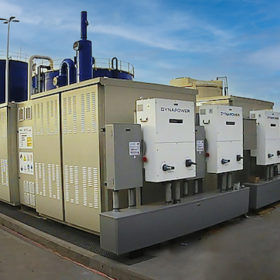
Underwriters Laboratories, a US non-profit standards development organisation, will carry out research into the operating and safety profile of Queensland company Redflow’s redox flow batteries under nominal and off-nominal conditions.

Chinese state grid unveils plans for 100GW battery fleet
China’s largest state-owned grid operator and power utility plans to deploy the world’s biggest battery fleet and almost quadruple its pumped hydro storage by 2030, thus supporting the nation’s switch to renewable energy sources.
Zinc batteries: Old technology brings new values
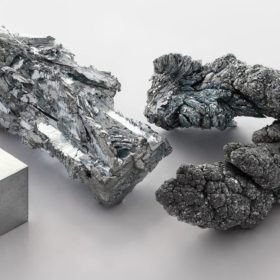
In battery storage, there is no silver bullet chemistry type and as we move towards more ambitious decarbonization goals, room is being made for diverse systems. As an old technology with new vitality, zinc-based batteries are edging closer to commercialization, leveraging their unique ability to be configured for short and long duration operation. They are safer, longer lasting and, in some cases, reportedly up to 50% cheaper than lithium-ion batteries and, following recent game-changing advances, the prospects for zinc look much more exciting. pv magazine sat down with the manager of the newly established, global Zinc Battery Initiative, Josef Daniel-Ivad, to discuss the technology’s market position and developments.