SNEC 2020 CEO Series: Suntech bounces back
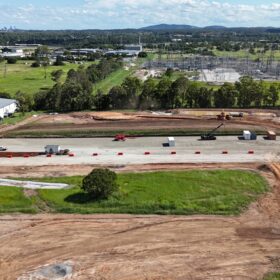
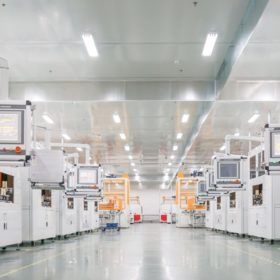
Once an industrial solar giant, Suntech has worked hard to rebuild its foundations and regain a solid footing in the global PV industry, following its financial crash in 2013. pv magazine caught up with CEO Tang Jun at this year’s SNEC 2020, held in Shanghai, China, last month, to find out its plans for the future, and how the Covid-19 pandemic has affected operations. Strong global growth and continued multi-crystalline production are two cornerstones of the business.

Tesla battery day bingo
Tesla battery day is next week. Earlier this year, Elon Musk told analysts that what he had to say “will blow your mind. It blows my mind.” Here’s a list of battery hyperbole and terms you’re bound to hear at the event.

Google to create easier renewable power purchase pathways
The tech giant has eliminated its entire carbon legacy and is moving toward running entirely on renewables, 24/7. More importantly, it’s looking to create pathways for other renewable purchasers to follow in its wake.

Bigger and better: Technology
The SNEC 2020 PV Power Expo opened on Aug. 8 in Shanghai. Unlike previous editions, the world’s largest solar trade fair was mostly attended by Chinese participants this year due to the Covid-19 pandemic. While the trade fair used to offer insights into global market trends, volumes were low this year due to a buyer/seller standoff amid rising prices caused by the recent accidents at polysilicon plants in Xinjiang. Also, there was little change in technologies. PV InfoLink’s Corrine Lin offers insights into cells and modules at SNEC 2020.
Adani becomes world’s largest solar developer
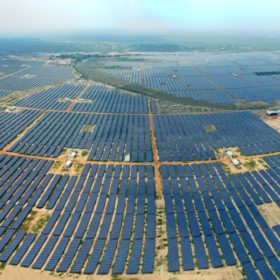
The world’s sixth-largest solar player in 2019 has risen to the top spot by securing a contract from Solar Energy Corp. of India to develop 8 GW of PV capacity.

Biden-Sanders task force calls for 500m solar panels in five years
A wide-ranging joint report published by the Democratic presidential candidate and his former rival includes the section: ‘Undoing the harms of the Trump administration and righting the wrongs.’
People need to see the benefits from local renewable energy projects, and that means jobs
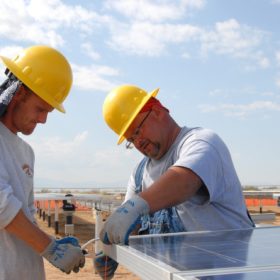
In the wake of Covid-19 it is more important than ever to accelerate Australia’s energy transition. Researchers find that the power of the fossil fuel sector, exercised at a grassroots level, must meet a compelling counterpart in the social benefits conferred by the renewables sector on local economies.

Solar could hold advantage in post-pandemic global energy sector
The International Energy Agency has acknowledged dramatic falls in energy investment caused by the Covid-19 crisis but said renewables, including PV, offered an attractive proposition to investors as the dust settled, given their enticing economics and short turnaround times.
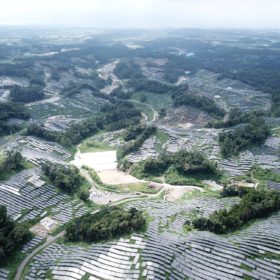
Japanese golf course becomes 100 MW solar park
A new 100 MWp solar power plant supplied with Kyocera solar modules has begun operation in Japan’s Kagoshima Prefecture. Operated by the Kyocera-backed Kanoya Osaki Solar Hills LLC joint venture, the plant is one of the largest PV facilities on the island of Kyushu. Venture partner Tokyo Century arranged financing for the project with 17 regional banks.
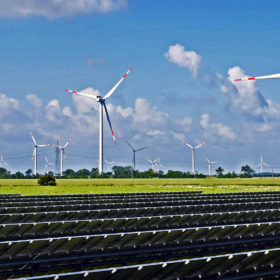
Impact of Covid-19 on the global energy sector
Over the past few months, the Covid-19 pandemic has caused an unprecedented global economic and social crisis. The pandemic has significantly affected all aspects of life, including the energy sector.