Incat powers up world’s largest battery-electric ship
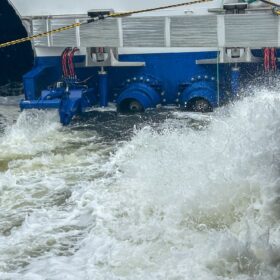
Australian shipbuilder Incat Tasmania has powered up the world’s largest battery-electric ship – and the largest electric vehicle of any type on the planet – and successfully completed its first e-motor trial in Hobart.
Akaysha achieves major milestone with big battery now complete
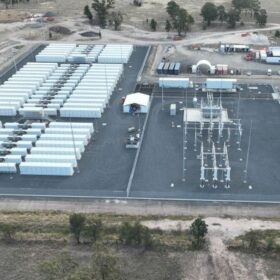
Akaysha Energy, the battery storage platform backed by global funds giant Blackrock, has announced the completion of its first big battery project with the 155 MW / 298 MWh Ulinda Park energy storage system in Queensland now online.

Valent lands state planning approval for Armidale battery project
The New South Wales government has provided planning approval for the proposed $209 million Armidale battery project on the condition that developer Valent Energy invests more than $2.5 million in local community projects.

Bowen commits extra $5 billion to home battery subsidy
The Australian government has announced a major expansion of its Cheaper Home Batteries program, raising the funding allocation from the original $2.3 billion to approximately $7.2 billion over the next four years.

Enerflow plans 1.2 GWh vanadium flow battery project for Australia
China’s Enerflow will partner with Perth-based firm Jenmi Investments to jointly develop a 350 MW / 1,200 MWh long-duration storage project, marking a major step for vanadium flow battery technology in the Australian grid.
TagEnergy locks in long-term toll deal for Golden Plains battery
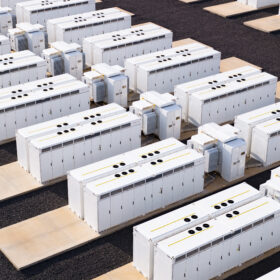
Renewables developer TagEnergy has locked in the first long-term offtake deal for the 150 MW / 600 MWh Golden Plains battery project being built in Victoria’s western districts.
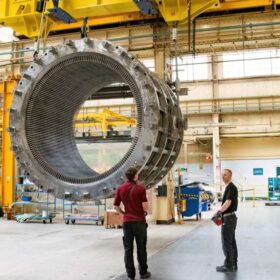
Synchronous condensers to play key role in system security says AEMO
The Australian Energy Market Operator says “timely investments” are essential to unlock the full value of renewables and reduce reliance on coal generators for system security as the nation’s clean energy transition continues.

Global grid-scale BESS deployment up 38% year-on-year through October
Global grid-scale battery energy storage system deployments have hit 156 GWh year-to-date. More than 153 GWh is still slated for commissioning in 2025, though delays and cancellations are likely to trim that total by year-end.
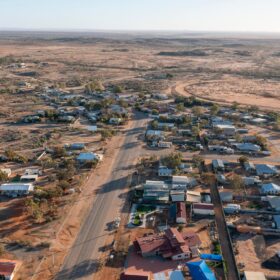
Connected and islandable microgrid project launched in New South Wales
A collaborative project focussing on the development of connected and islandable microgrids within the Australian distribution network has been launched in New South Wales.
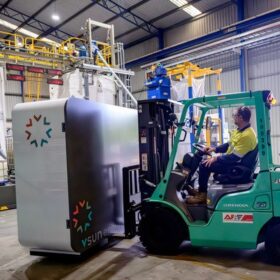
WA plans 10-hour flow battery install to boost power reliability
The Western Australia government is looking to deploy a vanadium flow battery energy storage system with up to 10 hours of discharge capacity to help improve regional power reliability in the state’s Goldfields region.