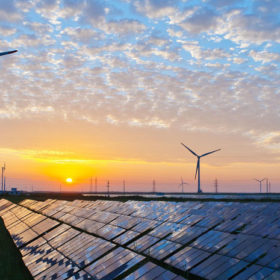
Australia is transitioning to clean energy the hard way, Grattan Institute report shows
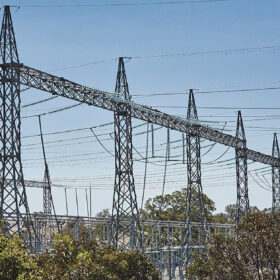
Public policy think-tank Grattan Institute has released a new report on energy policy, or lack thereof. The report, entitled Power Play: How governments can better direct Australia’s electricity market, makes a comprehensive overview of the current state of affairs and makes concerted recommendations.
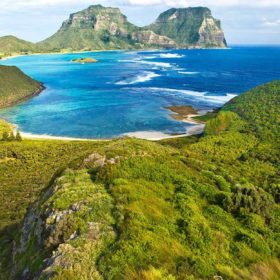
“I said ‘Lord Howe!’” Iconic island to receive solar + battery storage installation
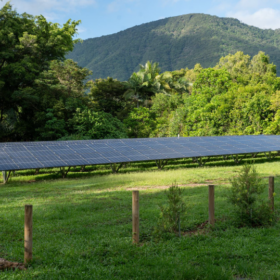
Lord Howe Island is set to finally receive a solution to its energy problems with the installation of a solar + battery storage system that will reduce its reliance on diesel fuel.
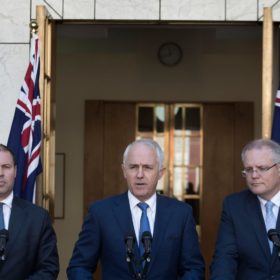
The Turn of the Bull, Turnbull squares up at the Liberal Party
Former Prime Minister Malcolm Turnbull has sharply criticised the Liberal Party for its inability to provide a coherent national energy policy. Turnbull questioned the conservative integrity of his old party on its 75th anniversary as the federal policy vacuum continues to have adverse effects on the market and renewable investment.
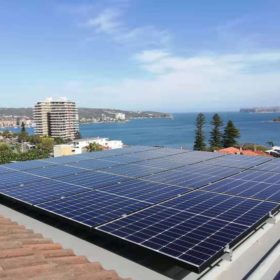
Safety first: Solar installer banned from Victoria solar rebate program
Following joint investigations by Solar Victoria and Energy Safe Victoria, the Victorian government has banned a solar installer from the Solar Homes program for at least two years. The investigations found that Space Solar had employed unlicensed electricians to carry out works, resulting in technical and safety defects.
ARENA boosting commercial shift to EV fleets
The Australian Renewable Energy Agency (ARENA), along with support from the NSW and South Australian Governments, Ausgrid and NRMA, has announced that it will provide almost AUD$500,000 in funding to Evenergi to assist businesses and consumers plan for the electric vehicle (EV) revolution.
Stock markets pumped $1.3bn into solar in the last quarter
Fundraising activity for solar leaped in the July-to-September period to provide healthy quarterly and year-so-far comparisons on 2018.
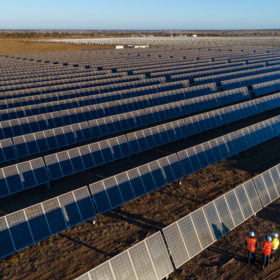
QLD boasts of its solar power takeover
If you’ve got it, flaunt it, and Queensland (QLD) is doing just that. Over the weekend QLD boasted that its solar panels can now produce twice as much electricity as the state’s biggest power station.

Sunshine on tap as industry-scale PPA set to power NSW & ACT pubs
Hundreds of NSW & ACT pubs and hotels are set to join in a world’s first industry-scale PPA in an agreement between Australian brewing giant Lion, and French energy giant Engie.
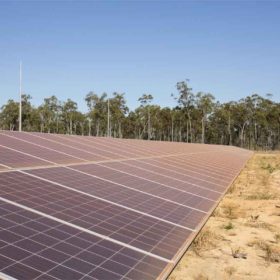
Eni acquires two solar farms in Northern Territory
Through subsidiary, Eni Australia, the Italian oil major has completed the acquisition of two 12.5 MW construction-ready solar project in the Northern Territory.
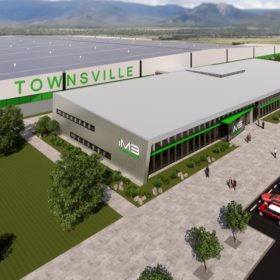
Townsville battery gigafactory reaches new milestone
Plans to develop an 18 GWh lithium-ion battery factory in northern Queensland have reached an important milestone with the project feasibility study submitted to the Queensland government.