ShineHub selects Hanwha Q Cells for its lease-to-own model in SA
Solar ‘lease-to-own’ installer ShineHub has chosen Hanwha Q Cells as preferred solar panel provider for its Community Solar Program under the South Australian battery scheme.
Vietnam mulls multi-layered FIT scheme as it kicks energy transition into gear
With its feed-in tariff set to expire at the end of June, Vietnam is considering different levels of payment, classified across three irradiation regions and involving four solar technologies. Future payments would range from $0.0659-0.0985/kWh, with the cloudy north in line for the highest tariffs and with the government likely to revise tariffs for new projects every two years.
EnergyAustralia to help charities slash power bills with solar+storage
Backed by an estimated $15 million raised from the sale of renewable energy certificates, EnergyAustralia will install free solar PV and battery systems for participating charitable organizations, with the goal to connect them into a virtual power plant and slash their electricity bills by as much as 50%.

New Zealand identifies 11 GW solar potential
The nation already meets well above 80% of its electricity demand from renewable energy. With e-mobility and electric industrial processes on the rise, higher demand has created new development opportunities.
Blaming renewables for power failures is wrong
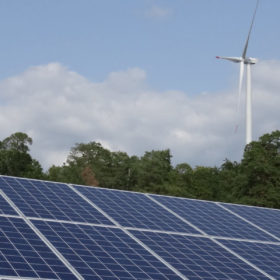
In the aftermath of January’s blackouts in Victoria and South Australia, public policy think thank Grattan Institute underlines that blaming renewable energy for supply failures is wrong and dangerous. The new report flies in the face of repeated claims by the Coalition government that renewables are undermining the reliability of electricity system.
Pacific Hydro gets regulatory nod for 555 MW of solar
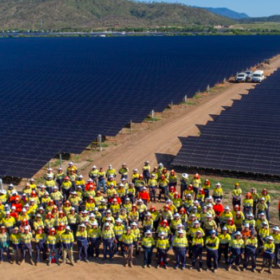
The 240 MW Prairie Solar Farm in Victoria has moved forward with a planning permission and the 315 MW Clarke Creek Solar Farm in Queensland has received a material change of use permit.
Victoria gives 90 MW solar farm go-ahead
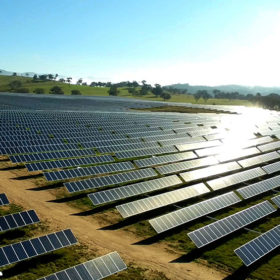
The Central Goldfields Shire Council has given its tick of approval for the construction of the Carisbrook Solar Farm, proposed by Germany’s ib vogt.
GEM: Large scale solar generation grows 300% in 2018, renewables pass 20% share
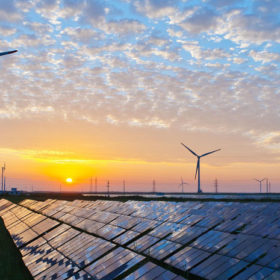
The contribution of solar PV to Australia’s electricity generation mix hit record new highs in 2018, in new figures published today by Green Energy Markets. Last year rooftop PV generation from new arrays was 86% higher than in the previous three years and utility scale solar increased 300% – passing the 1,000 GWh milestone for the first time.
Redback added to SA Home Battery Scheme
Australian-based Redback Technologies is now eligible for subsidies under the South Australia Home Battery Scheme, alongside nine other brands. The company manufacturers its solar inverter-battery hybrid systems overseas.
IEEFA update: Even as forecasts signal decline in global thermal coal markets, Australia courts new mines
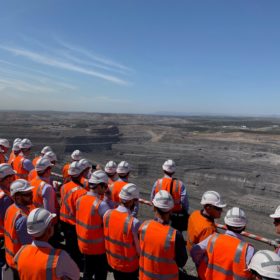
IEEFA supports new bill prohibiting the opening up of thermal coal mining in Queensland’s Galilee Basin