NT releases EV discussion paper in drive towards implementable strategy
The Northern Territory Government has released a discussion paper as it looks to form a coherent strategy toward electric vehicle integration.
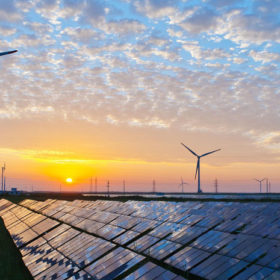
AEMO brings up staged approach to energy transition
The Australian Energy Market Operator (AEMO) has undertaken a review on how Australia compares with other international power systems and suggested that the theoretical limits on wind and solar penetration may need to be defined with an eye on the power system stability.
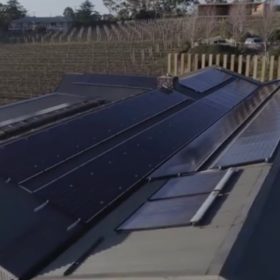
Do I detect a hint of sunlight? Australia’s wineries harvest solar energy
Electricity is the single biggest cost incurred in the winemaking process. Looking to save on bills, and save the environment, wineries across Australia are rapidly up-taking solar PV.
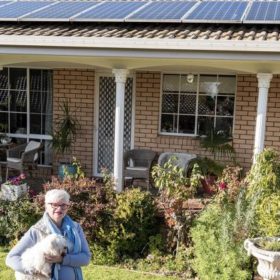
NSW Solar for Low Income Households trial begins
The NSW Solar for Low Income Households trial announced last year began this week with room for up to 3,000 successful applicants to enjoy the significant savings to household electricity bills provided by a rooftop solar PV installation.
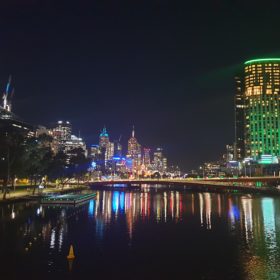
All Energy Australia Day 1
Welcome to Australia’s largest national showcase of renewable energy at the Melbourne Convention and Exhibition Centre. Follow pv magazine live to keep updated on the latest Aussie solar PV and storage developments and trends from this year’s event, as they happen. Stay tuned!

SEC report highlights Top End’s potential, argues for CEFC-like fund
The release of the Future North report from the Smart Energy Council suggests Australia’s Top End region has firm potential to become a world-leading renewable economy, and urges for a North Queensland Development and Diversification Fund based on the successful model of the Clean Energy Finance Corporation.
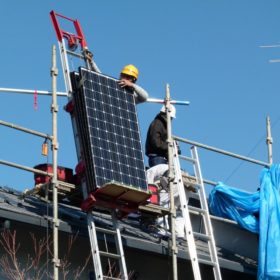
Commercial rooftops will lead renewables growth in the next five years
Although the International Energy Agency’s latest renewables report forecasts impressive solar growth there is still a nagging feeling it has produced conservative estimates and the emphasis on sharing costs with grid operators is predictable.
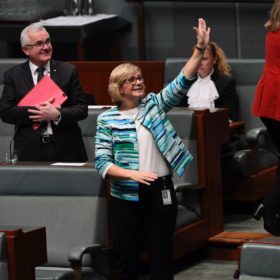
Zali Steggall to take Climate Change Bill to parliament
Warringah MP and defeater of Tony Abbott Zali Steggall is set to put a Climate Change Bill on the floor of parliament in early 2020 resembling the United Kingdom’s Climate Change Act. Such a bill from a cross-bench Independent might be the Parliamentary angle required for much-needed energy policy.
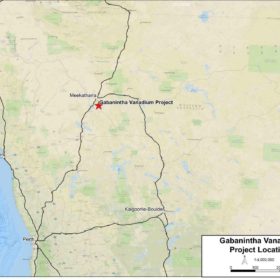
Technology Metals Australia receives grant for vanadium redox flow battery solutions
Technology Metals Australia has received a promising grant from the Australian Government for the development of its Gabanintha Vanadium Project. It is a small but sure sign of Vanadium’s strategic importance to the Australian economy when paired with renewable energy sources such as solar and wind.
Banyule City Council doubles down on aims for carbon neutrality
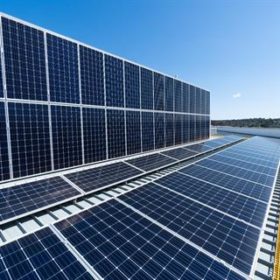
In a single month Banyule City Council in the north-eastern suburbs of Melbourne has rattled off a Climate Action Package for net-zero emissions by 2028, declared a climate emergency and joined other local governments in a Solar Savers program.