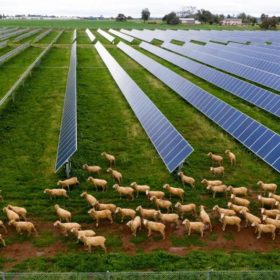
Parkes transmitted the moon, now it’s transmitting the sun
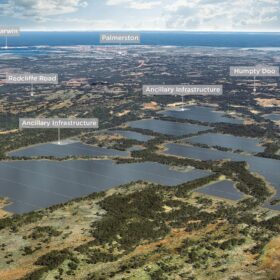
The New South Wales town of Parkes, famous for its involvement in the Apollo 11 Moon landing, is set to play a part in another scientific wonder, the transition to renewable energy, after the NSW Government approved the development of the 80 MW Quorn Park Solar Farm. A small step in the plan , but a giant leap for the planet.
WA Recovery Plan to invest $66.3m in solar and batteries
The Western Australian Government’s $5.5 billion WA Recovery Plan was released yesterday, the plan features $66.3 million in renewable energy investment, most of that to go on solar and batteries, along with a significant top up of the Clean Energy Future Fund.

Atlassian’s new solar-powered tech tower
Atlassian Co-Founder, Scott Farquhar, says the company’s new headquarters in Sydney’s planned tech precinct will host thousands of workers and embody “the best new ideas”, including a solar-energy-generating facade — inspiration for a post-COVID, yet still warming world.
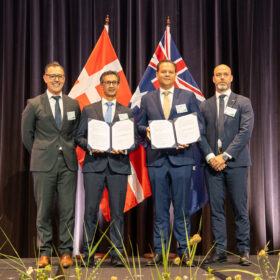
Australia’s industrial giants sign up to achieve net zero emissions by 2050
“Accelerating the uptake of renewable energy for the industrial sector is a critical part in Australia meeting its long-term emissions reductions commitments,” said ARENA CEO Darren Miller at the announcement of $300,000 funding to support a collaborative industrial transition initiative.
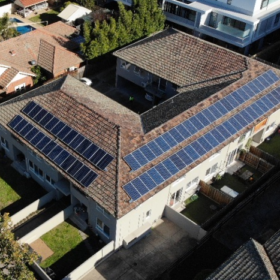
NGOs to generate funds from solar energy under world-first model
Many charities might find it a stretch to allocate the capital for their organisations to become solar powered, but Australian startup Allume Energy, with the help of funding from ARENA, is set to test an everyone’s-a-winner solution.
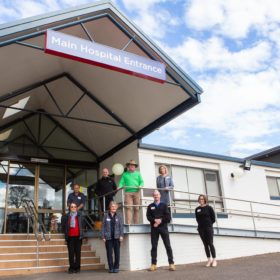
Armidale is just bursting with sunshine — hospital catches on
You might think public hospitals have a duty of care to protect the community and reduce emissions by applying a warm blanket of solar PV to their many hectares of rooftop space. The NSW Government is fulfilling that prescription.
Australia adopts international standards to shape its hydrogen future
Eight international standards have been adopted to facilitate safe use, transport and trade of hydrogen across Australia.
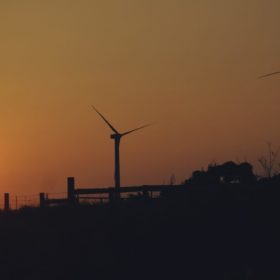
Iberdrola locks in improved takeover offer for Infigen
Infigen Energy on Friday continued to unanimously recommend a revised offer from Iberdrola to its shareholders, after the Spanish renewable energy giant locked in an $893 million offer.
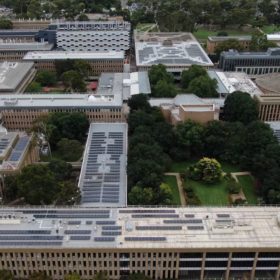
La Trobe goes La Troppo for solar on its way to ‘net zero’
La Trobe University is well on its way to achieving its ‘net zero’ carbon emissions by 2029 goal thanks to 7,500 solar panels installed by Solgen Energy Group at its Bundoora campus in Melbourne’s north. VIC Energy Minister Lily D’Ambrosio said the feat demonstrated what could be achieved with leadership, clear targets, and renewable energy.
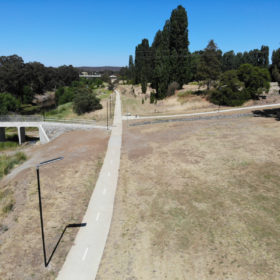
Solar lights a pathway through lockdown
Thanks to the Covid-19 many of us find ourselves in lockdown with little reprieve other than a morning potter or an evening stroll. In Goulburn, thanks to what is being called Australia’s largest solar lighting installation, locals can now more easily walk and cycle their way to the salutary effects of a daily jaunt.