Allume lands $2.3 million to support roll out of Solshare tech in U.S.
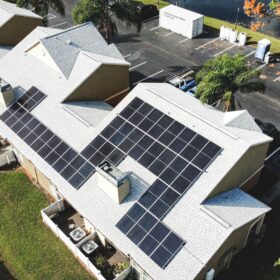
Australian solar technology company Allume Energy estimates that its behind-the-meter Solshare platform can help residents in multi-unit buildings save up to 40% on their electricity bills.

Google to sell rooftop solar mapping data
New application programming interfaces datasets from Google are designed for solar marketplace websites, solar installers, software-as-a-service developers, and any user looking to understand rooftop solar potential of a particular address.
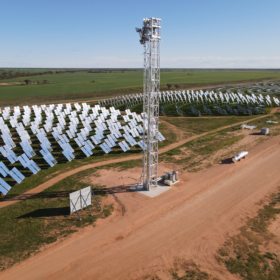
RayGen officially opens 4 MW ‘solar hydro’ power plant
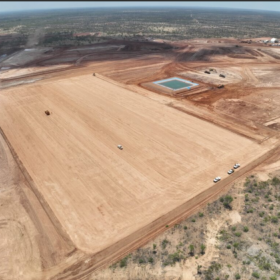
Australian energy technology startup RayGen has officially opened a 4 MW solar and long-duration energy storage project in Victoria, describing it as the world’s “highest efficiency PV project” operating at utility scale.
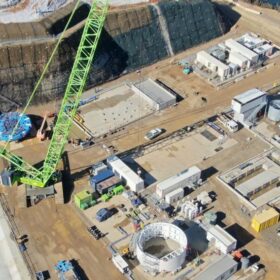
Snowy Hydro plans contract reset amid $12 billion cost blowout
Snowy Hydro has revealed the budget for the Snowy 2.0 project has blown out to $12 billion (USD 7.8 billion) and the giant pumped hydro storage project is now expected to commence operations seven years later than originally scheduled.
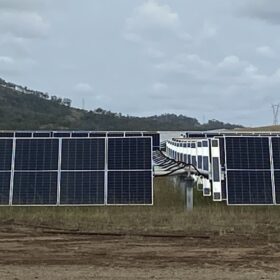
AEMO backs 248 GW pipeline to counter reliability challenges
The Australian Energy Market Operator says a 248 GW pipeline of proposed generation and storage projects, transmission developments and government energy programs have the potential to address many of the risks outlined in its latest market forecast – if they are delivered to schedule.
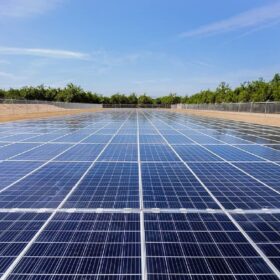
Driving down cost of solar key to unlocking green hydrogen future
Reducing the cost of solar electricity will be the key to unlocking the next chapter of the energy transition: a green hydrogen economy, according to Jim Tyler, CEO of solar technology company Erthos.
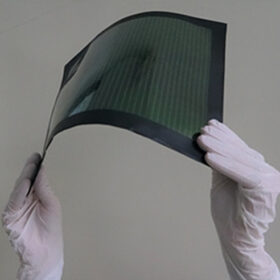
Toshiba claims 16.6% efficiency for polymer film-based large-area perovskite solar module
Japanese electronics giant, Toshiba, is continuing to improve the performance of its perovskite solar cell technology.
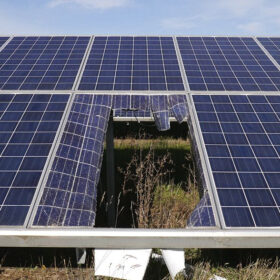
Weekend Read: A 10 GW time bomb
It is estimated that 10 GW of solar modules in Germany suffer from prematurely aging backsheets, with sites of all sizes affected. Here we look at how to detect and repair such defects.
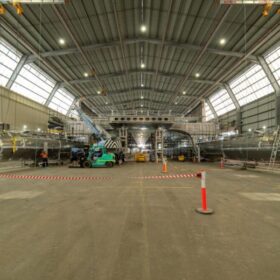
Australian shipbuilder to deliver world’s largest all-electric ferry
Australian manufacturer Incat Tasmania is building the world’s largest all-electric ship at its yards in Hobart with the 130-metre-long vessel to be fitted with a 40 MWh battery energy storage system that will power a series of electric propulsion system and waterjets.
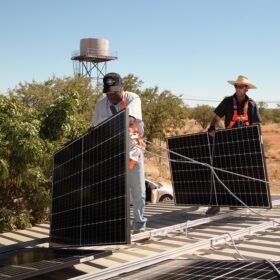
New funding to make microgrids reality for First Nations communities
The development and deployment of renewable energy-based microgrids in First Nations communities in regional and remote Australia is to be accelerated as part of a new $125 million (USD 80 million) program financed by the federal government.