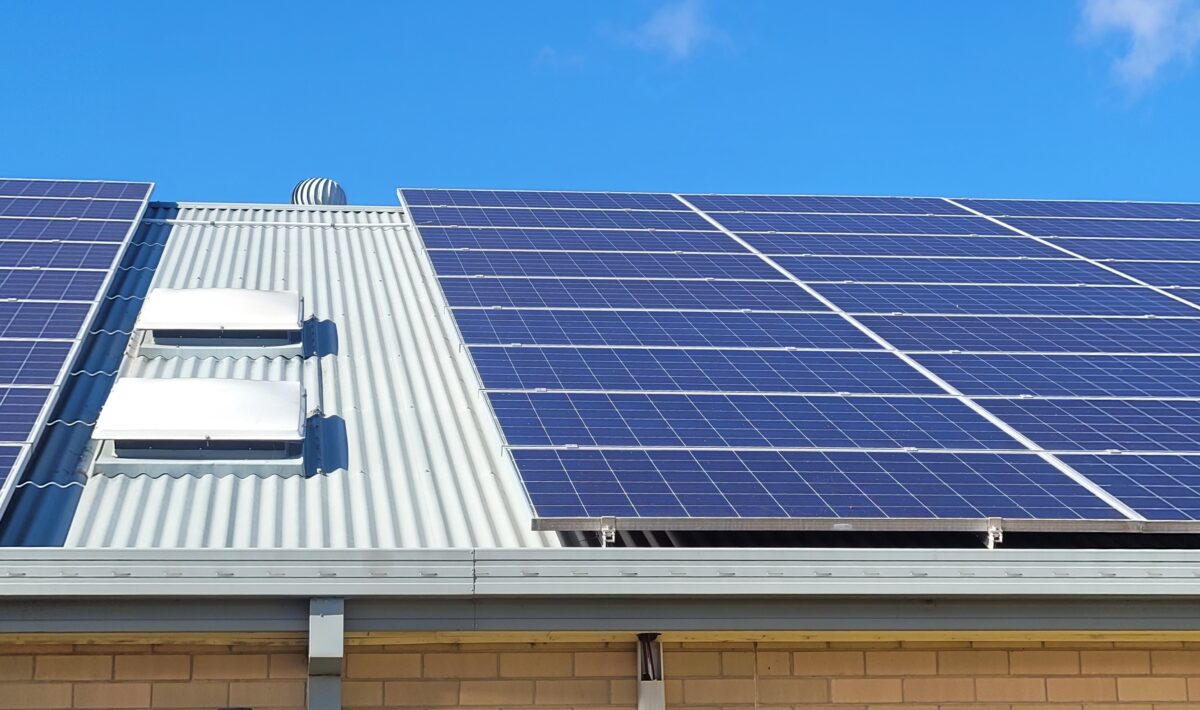





The ambition is clear; by 2050, Australia aims to have reached net zero. However, the nation’s energy grid is experiencing challenges in integrating the growing share of renewables to balance supply and demand, putting this target in doubt.
Curtailing solar oversupply
Because renewables have grown leaps and bounds in a relatively short period of time, Australia now grapples with an energy oversupply at times. The resulting grid volatility arises from minimum demand during daylight hours, driven by excessive solar generation, occurring in close proximity to periods of maximum demand later in the day as solar output declines and energy consumption rises. As a result, grid operators rely on the growing practice of “spilling” solar generation to avoid overloading the grid, effectively “wasting” precious renewable energy.
This wastage is less than 10% of total renewable generation each day, but could more than double by mid-century, according to the Australian Energy Market Operator (AEMO).
In some parts of the country, the situation is already apparent. At one point, New South Wales saw up to 27.4% of its solar potential being discarded, the same amount generated by its coal-fired plants. Meanwhile, in September, Victoria faced a solar oversupply situation “so acute that demand for power from the grid would fall below a threshold critical for keeping the electricity system on an even keel.”
Further compounding the problem, amid the fast-growing uptake of electric vehicles (EVs), is the charging of said EVs which contributes to evening demand peak when solar generation is absent. With more and more Australians plugging in their cars at night, the resulting supply-demand imbalance sustains a continued reliance on fossil fuel-powered stations to meet electricity needs during these peak demand periods.
A grid not fit for purpose
At the core of this challenge lies Australia’s ageing electricity grid, which wasn’t built to handle the complex dynamics of decentralised renewable generation, with millions of solar panels feeding power back into the grid.
The sheer scale of the situation has prompted a so-called “solar switch-off” or remote solar shut-down mechanism as a “last resort” measure devised by AEMO and mandated by state governments as part of broader ‘solar management programs’, due to last until 2027. This measure ensures rooftop solar systems can be curtailed or remotely disconnected from the grid if energy stability is threatened, and has been implemented in South Australia, Western Australia, Queensland and most recently, Victoria.
With inadequate market and operating signals also fuelling such measures, energy bodies and governments have an opportunity to address grid volatility and congestion by accelerating the deployment of smart, dynamic technologies. This will modernise the grid, helping reduce unnecessary costs for consumers and renewable energy operators.
Bridging supply and demand through data
The immediate answer to Australia’s grid dilemma lies not in prolonged and expensive infrastructure overhauls, but in the tools and data already at our disposal. The key to this lies in creating a system that can provide real-time visibility into energy generation, consumption, and grid conditions.
The primary challenge in Australia’s renewable energy generation is the balance of Consumer Energy Resources (CERs) that operate at the grid edge, within the Low Voltage (LV) network. Optimising the integration of CERs requires real-time, high-resolution data from this part of the network.
By applying computing intelligence directly at the grid’s edge, closer to where these challenges arise, operators can more effectively respond. This approach provides market participants with the visibility needed to identify where CERs are deployed and to monitor the real-time status of the LV network.
Such insight is essential for determining the most effective control strategies for these assets, ultimately enhancing LV network optimisation and reducing reliance on reactive energy curtailment.
In order for Australia to fully capitalise on its renewable energy ambitions, it must grow the capacity for managing its high CER penetration. In response, Itron’s Low Voltage Distributed Energy Resource Management System (LV DERMS) offers a unique set of capabilities in collecting and processing data from millions of LV network devices and CERs in a single instance, empowering utilities to better control and balance the LV network. It represents a crucial step forward in supporting market reform and the decarbonisation journey, enabling us to overcome energy unpredictability feeding the supply-demand mismatch and be more empowered to scale clean energy.
The shift to 100% renewables is not just a matter of increasing the share of clean energy in the mix, but also of building an energy system that is flexible, resilient, and intelligently managed. In doing so, Australia can truly lead the world in clean energy innovation.
Author: Alex Beveridge, Area Vice President, ANZPI & Strategic Markets, Itron
The views and opinions expressed in this article are the author’s own, and do not necessarily reflect those held by pv magazine.
This content is protected by copyright and may not be reused. If you want to cooperate with us and would like to reuse some of our content, please contact: editors@pv-magazine.com.

By submitting this form you agree to pv magazine using your data for the purposes of publishing your comment.
Your personal data will only be disclosed or otherwise transmitted to third parties for the purposes of spam filtering or if this is necessary for technical maintenance of the website. Any other transfer to third parties will not take place unless this is justified on the basis of applicable data protection regulations or if pv magazine is legally obliged to do so.
You may revoke this consent at any time with effect for the future, in which case your personal data will be deleted immediately. Otherwise, your data will be deleted if pv magazine has processed your request or the purpose of data storage is fulfilled.
Further information on data privacy can be found in our Data Protection Policy.