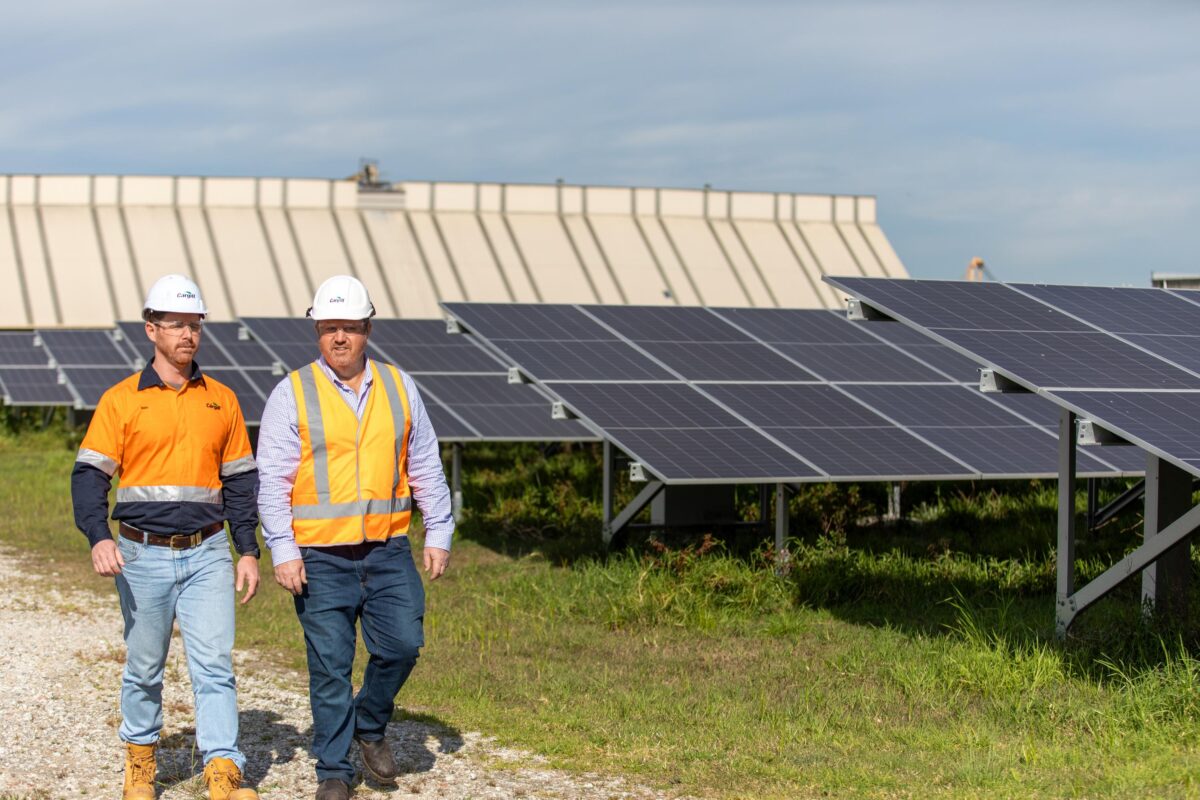





United States-headquartered agricultural commodities trader Cargill has launched a 2.58 MW solar system at its oilseed-crushing plant in Newcastle on the New South Wales Central Coast as part of a broader strategy to improve energy resilience and cost certainty.
“With energy markets becoming increasingly volatile, generating electricity onsite helps stabilise costs and improve the overall reliability of Cargill’s operations, delivering greater certainty for customers and the wider supply chain,” the company said.
The fixed tilt array comprises more than 4,000 solar panels and is expected to generate more than 4,200 MWh of renewable electricity annually, matching the demand of the processing facility at peak times.
The self-built and self-owned solar asset is expected to reduce annual electricity costs by $600,000 and is also forecast to reduce Scope 2 emissions by about 2,700 tonnes of carbon each year, supporting Cargill’s global commitment to reduce absolute Scope 1 and 2 emissions by 25% by 2035.
Nick Ebrill, Cargill’s senior director of regional operations SSEA-Australia, said investing directly in onsite generation is about taking “real, practical steps toward sustainability and innovation.”
“By integrating renewable energy directly into our manufacturing infrastructure, we reduce emissions, enhance resilience and create lasting value,” he said.
“It is a strong example of what can be achieved when persistence and local insight come together to drive bold, transformative outcomes.”
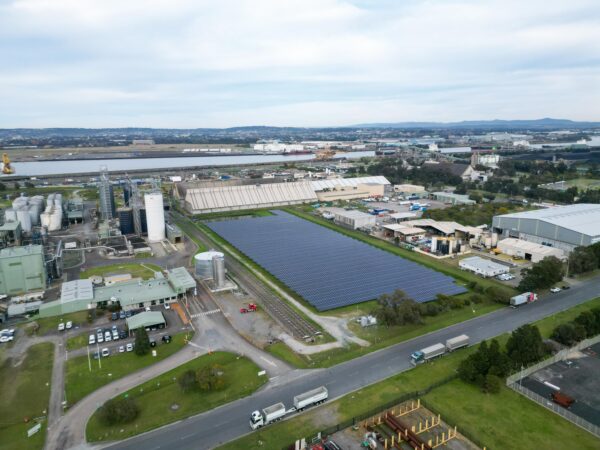
Image: Cargill
Cargill has been operating in Australia since 1967, and trades Australian grain and oilseeds in domestic and export markets as part of its extensive global operations.
The solar project is a part of Cargill’s broader investment in Australia’s oilseed processing network. In 2023, The US-based company announced a $100 million investment to upgrade and expand its Newcastle, Narrabri and Footscray facilities to help meet growing demand for food, feed and renewable fuels.
This content is protected by copyright and may not be reused. If you want to cooperate with us and would like to reuse some of our content, please contact: editors@pv-magazine.com.




By submitting this form you agree to pv magazine using your data for the purposes of publishing your comment.
Your personal data will only be disclosed or otherwise transmitted to third parties for the purposes of spam filtering or if this is necessary for technical maintenance of the website. Any other transfer to third parties will not take place unless this is justified on the basis of applicable data protection regulations or if pv magazine is legally obliged to do so.
You may revoke this consent at any time with effect for the future, in which case your personal data will be deleted immediately. Otherwise, your data will be deleted if pv magazine has processed your request or the purpose of data storage is fulfilled.
Further information on data privacy can be found in our Data Protection Policy.