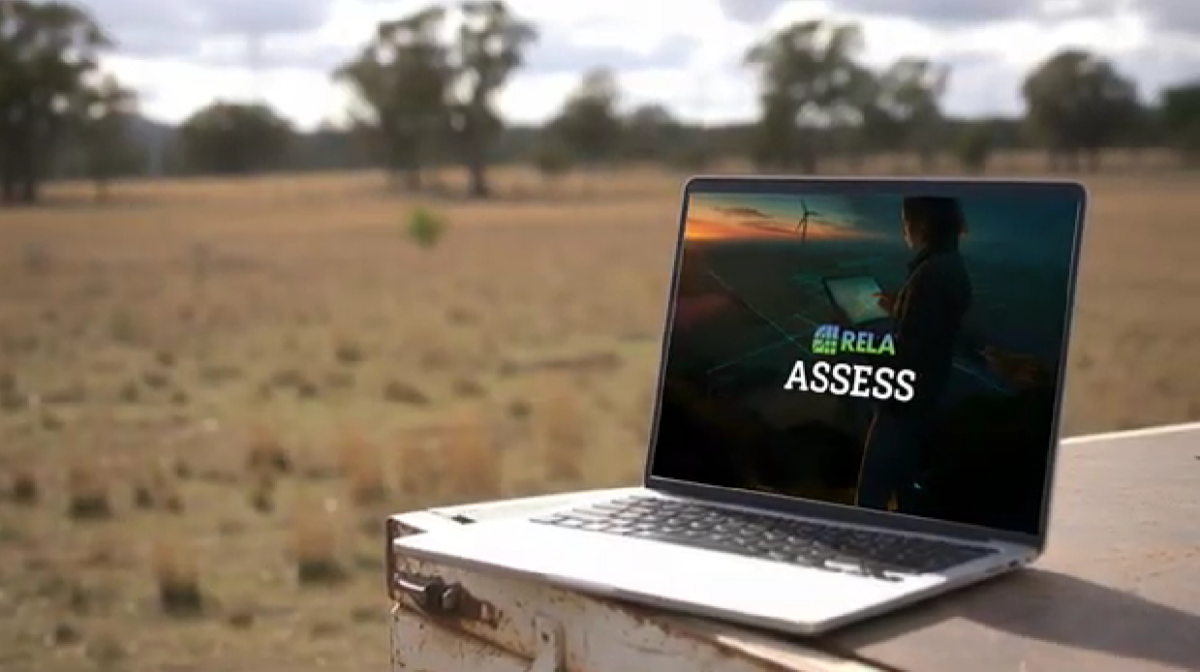





Sydney-headquartered landowner marketplace Renewable Energy Lease Aggregator (RELA) has launched new tools to empower landowners in renewable energy planning, backed by the Australian Renewable Energy Agency (ARENA).
The online platform gives landowners tools to help map farm priorities before assessing how projects could fit, and includes identifying preferred project areas, exclusions and practical operational considerations such as stock routes.
Named Assess 2.0, the free $1.2 million (USD 830,000) platform has been supported with a $500,000 ARENA grant.
RELA Chief of Product Stuart Gourley said Assess 2.0 equips landholders with clear, high-quality insights to make smarter decisions and secure faster, win-win agreements with developers.
“The renewable energy transition is a once-in-a-generation opportunity for our nation’s $1 trillion agricultural land sector. Getting it right is key to our nation’s long-term energy and food security and will define land productivity in the food, fibre and energy era,” Gourley said.
Assess 2.0
Assess 2.0 includes geospatial data, land suitability in relation to culturally significant First Nations sites, and practical planning tools built around RELA’s new ‘Landplan Builder’, a tool that identifies operational constraints and shapes how renewable energy proposals can integrate with a farm’s operations.
First Nations representatives, agricultural and renewable energy developers and industry stakeholders, advisers and government representatives all contributed to the comprehensive platform’s development and testing.
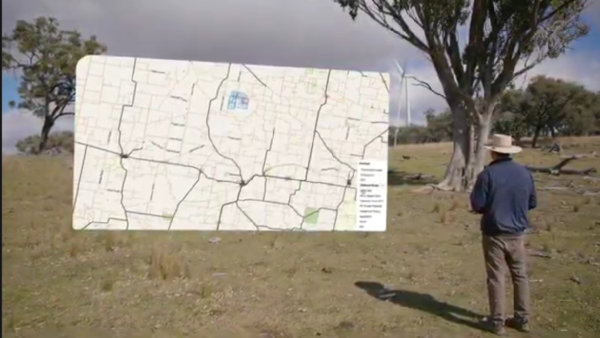
Image: RELA
ARENA Chief Operating Officer Chris Faris said the tool is about giving landowners more information and greater agency in the clean energy transition.
“Assess 2.0 … will strengthen [landowners’] ability to engage with developers and help ensure renewable energy projects deliver fair outcomes for landowners and communities,” Faris said.
National Farmers’ Federation (NFF) President Hamish McIntyre said land use competition is a key concern for farmers [so] it’s only fair and right they receive proper consultation and choice, to better understand project proposals that impact their land and livelihoods.
“Tools like the RELA product are important for farmers to help them make decisions,” McIntyre said.
Stakeholder Reference Group
The Assess 2.0 project was developed with guidance from a stakeholder reference group (SRG) involving representatives across multiple sectors, including agriculture, First Nations and industry stakeholders.
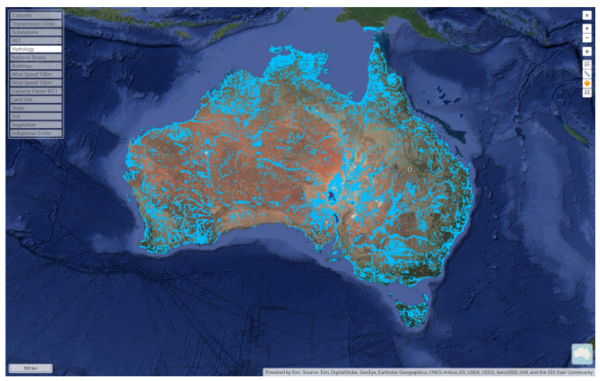
Image: RELA
Assess 2.0 SRG Chair and Landowner Brent Finlay said the SRG process grounded the platform in real-world stakeholder needs.
“[These included] privacy, simplicity, practical on-farm use, and the ability to support future planning pathways over time,” Finlay said.
“By combining suitability insights with the Landplan Builder, it helps people move from a broad question of potential to a clearer understanding of how a project might fit with farm operations, constraints and long-term land use goals.”
“Assess 2.0 has been developed with future flexibility in mind, including the potential to support broader land use opportunities alongside renewable energy planning.”
This content is protected by copyright and may not be reused. If you want to cooperate with us and would like to reuse some of our content, please contact: editors@pv-magazine.com.


By submitting this form you agree to pv magazine using your data for the purposes of publishing your comment.
Your personal data will only be disclosed or otherwise transmitted to third parties for the purposes of spam filtering or if this is necessary for technical maintenance of the website. Any other transfer to third parties will not take place unless this is justified on the basis of applicable data protection regulations or if pv magazine is legally obliged to do so.
You may revoke this consent at any time with effect for the future, in which case your personal data will be deleted immediately. Otherwise, your data will be deleted if pv magazine has processed your request or the purpose of data storage is fulfilled.
Further information on data privacy can be found in our Data Protection Policy.