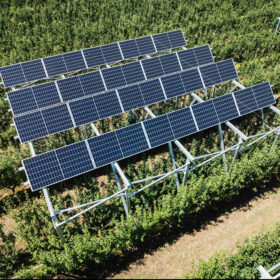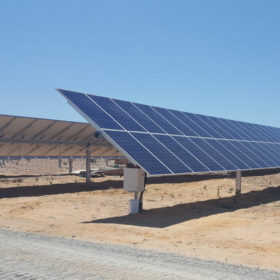
SA Water looking to add solar+storage at three pumping stations
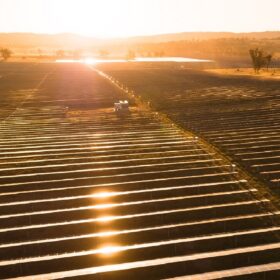
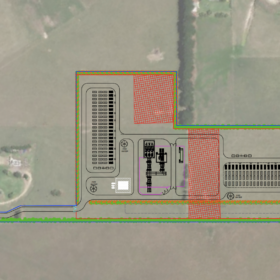
South Australia’s largest water and sewerage services supplier has a few utility-scale solar projects coupled with energy storage in its pipeline. Three of them are currently under consideration and scheduled to commence construction this year.
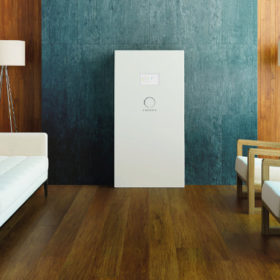
Shell moves to acquire German storage business Sonnen
In May 2018, oil giant Shell invested in German manufacturer Sonnen. Now the 112-year-old company wants to fully acquire the business, subject to Germany’s monopoly authorities. Sonnen said it hopes the deal will accelerate its growth by expanding its market reach and capacity.
Genex Power starts works on 250 MW pumped hydro project
With financial close still in the works, Sydney-based publicly listed Genex Power has moved on the Kidston Pumped Storage Hydro Project, part of its landmark renewable energy hub in far-north Queensland, signing an early works agreement with EPC contractors McConnell Dowell and John Holland.
ShineHub selects Hanwha Q Cells for its lease-to-own model in SA
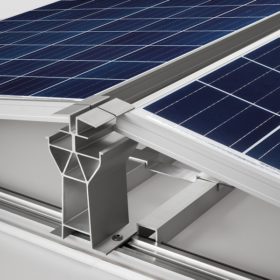
Solar ‘lease-to-own’ installer ShineHub has chosen Hanwha Q Cells as preferred solar panel provider for its Community Solar Program under the South Australian battery scheme.
Neometals commissions li-ion battery recycling pilot plant
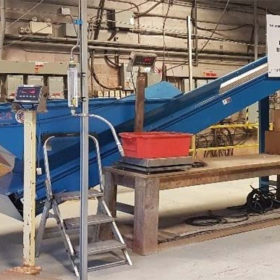
Australian lithium developer Neometals has taken its lithium‐ion battery recycling technology to the floor at a pilot plant in Canada. SGS Canada has been contracted to construct and operate the pilot at its Lakefield facility, and handle both the front-end feed preparation and hydrometallurgical processing/refining stages.
EnergyAustralia to help charities slash power bills with solar+storage
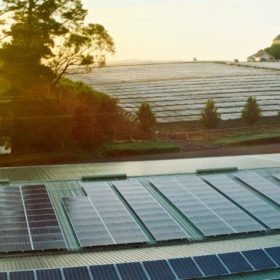
Backed by an estimated $15 million raised from the sale of renewable energy certificates, EnergyAustralia will install free solar PV and battery systems for participating charitable organizations, with the goal to connect them into a virtual power plant and slash their electricity bills by as much as 50%.
Blaming renewables for power failures is wrong
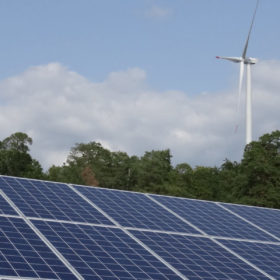
In the aftermath of January’s blackouts in Victoria and South Australia, public policy think thank Grattan Institute underlines that blaming renewable energy for supply failures is wrong and dangerous. The new report flies in the face of repeated claims by the Coalition government that renewables are undermining the reliability of electricity system.
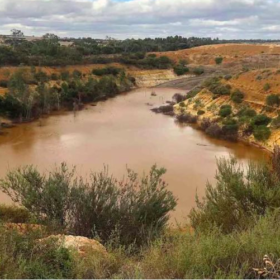
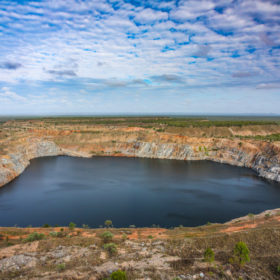
Disused zinc mine transforms into clean energy hub with compressed air storage
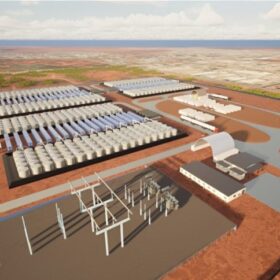
In an Australian first, Canada’s Hydrostor is delivering a 5 MW / 10 MWh compressed air energy storage facility, which will store excess solar and wind power at a closed underground mine in South Australia.
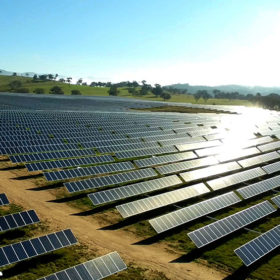
Victoria gives 90 MW solar farm go-ahead
The Central Goldfields Shire Council has given its tick of approval for the construction of the Carisbrook Solar Farm, proposed by Germany’s ib vogt.
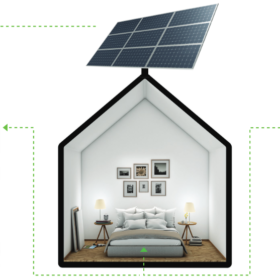
Redback added to SA Home Battery Scheme
Australian-based Redback Technologies is now eligible for subsidies under the South Australia Home Battery Scheme, alongside nine other brands. The company manufacturers its solar inverter-battery hybrid systems overseas.