Parkes transmitted the moon, now it’s transmitting the sun
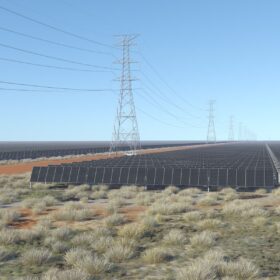
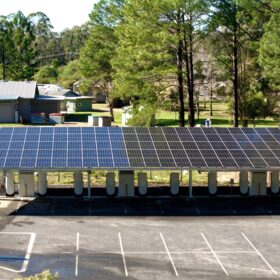
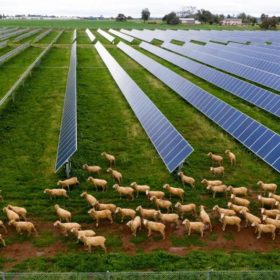
The New South Wales town of Parkes, famous for its involvement in the Apollo 11 Moon landing, is set to play a part in another scientific wonder, the transition to renewable energy, after the NSW Government approved the development of the 80 MW Quorn Park Solar Farm. A small step in the plan , but a giant leap for the planet.
WA Recovery Plan to invest $66.3m in solar and batteries
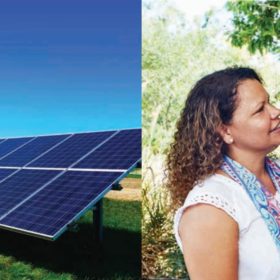
The Western Australian Government’s $5.5 billion WA Recovery Plan was released yesterday, the plan features $66.3 million in renewable energy investment, most of that to go on solar and batteries, along with a significant top up of the Clean Energy Future Fund.
Iberdrola locks in improved takeover offer for Infigen
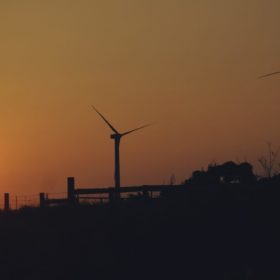
Infigen Energy on Friday continued to unanimously recommend a revised offer from Iberdrola to its shareholders, after the Spanish renewable energy giant locked in an $893 million offer.
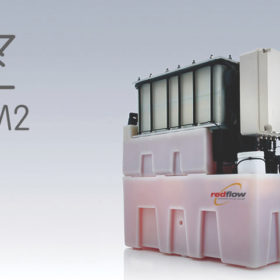
Redflow batteries to add VPP capabilities
Brisbane-based battery supplier Redflow has joined forces with smart energy system company carbonTRACK to add virtual power plant functionality to its flow batteries.
Tesla EVs show profit while solar business hits new lows in revenue and deployment
It was a series of firsts, including a profitable full year and Megapack turning a profit that factored into CEO Elon Musk explaining that he has “never been more optimistic or excited about the future of Tesla.” Austin is confirmed as the site of the next Gigafactory.
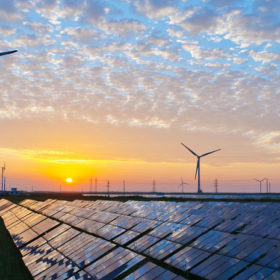
Monash University gets ARENA funding to investigate renewables integration into weak grids
Researchers at Monash University will conduct a desktop study to explore issues and strategies associated with connecting inverter-based generation such as batteries, solar, and wind into weaker parts of the National Electricity Market.

Aussie parents pester PM to fund solar for every school and childhood centre
Australian Parents for Climate Action have proposed an initiative called Solar our Schools and published open letter to Prime Minister Morrison calling for large-scale federal investment in solar and energy storage for every school and early childhood centre as part of Covid-19 recovery.
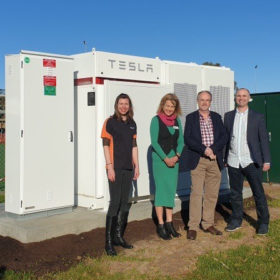
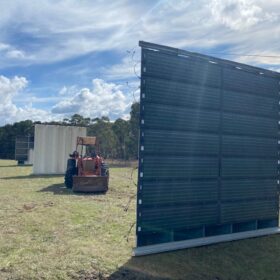
WA community battery rollout continues: Tesla battery launched in Margaret River
The highly successful Western Australian community battery rollout has caught another wave and poured another glass of fine Cab Sav with its newest launch in Margaret River. This particular installation is part of a five-year trial to identify even more prime locations for community energy storage.

AEMC gives energy businesses extra three months breathing space before major market reform
The Australian Energy Market Commission (AEMC) has decided to give energy businesses an extra three months to prepare the IT overhaul necessary for the five-minute settlement market reform. The decision comes in response to concerns that the unprecedented impacts of Covid-19 necessitated extra breathing space.
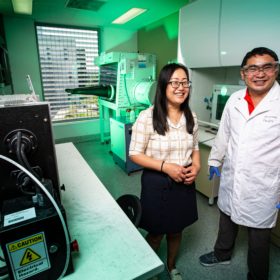
Deakin University set to steward new energy storage Research Hub
A New Safe and Reliable Energy Storage and Conversion Technologies Research Hub is one of five grant recipients of the Australian Research Council’s funding for Industrial Transformation. The Hub will seek to develop new technologies in energy storage to eliminate the risk of fire, as well as addressing the environmental impact of current technologies.