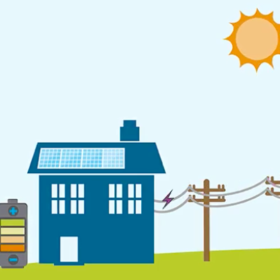
NSW to invest $20m in batteries for schools, hospitals
The New South Wales government has announced plans to install up to 900 batteries with a total capacity of 13 MW on hospital and schools that already have rooftop solar systems.
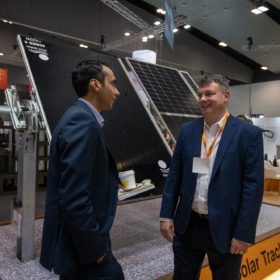
“It just happened to be perfect timing”
Passing the 2 GW installation milestone, opening its DG business and moving into Southeast Asia: Nextracker’s Australian operations is proving to be a bright spot on global map. For Peter Wheale, VP responsible for Australia, Southeast Asia and the Pacific, it’s vindication of his conviction that the market was going to take off, and success in which fortuitous timing played no small roll.
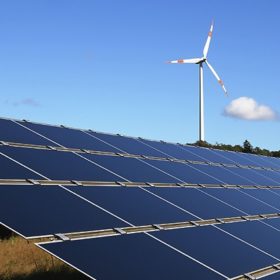
Snowy Hydro contracts 888 MW wind, solar to push down energy prices
The government-owned energy provider has signed eight wind and solar PPAs to cover the shortfall in its existing energy generating capacity and put downward pressure on wholesale energy prices. Snowy Hydro says it will be able to offer firm supply contracts at less than $70/MWh, which undercuts the current wholesale price of electricity.
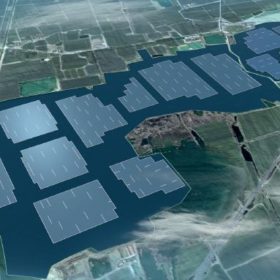
Australia has potential for 50 GW of floating PV capacity
The World Bank says global operational floating PV capacity has topped 1.1 GW, noting that adding floating solar to hydropower plants improves their flexibility while increasing energy yields. According to the latest WB report, Australia and Oceania have potential for 5 GW of floating solar on freshwater man-made reservoirs under conservative assumptions, and up to 50 GW under the most favorable scenario.

Hyundai to launch solar body kits for vehicles
In a joint effort with Kia Motors, Hyundai Motors is developing solar roofs and bodies for its EVs, hybrids and ICE vehicles to provide additional charging capacity. Depending on solar irradiation levels, the technology could provide 30-60% battery charge per day, the manufacturer says.

Major solar installer leaves Australian market
Against the backdrop of a mature rooftop solar market and a booming commercial and industrial solar sector, Australia has a competitive but vibrant solar retailer and installation market. However, not all have prospered and a prominent player has exited the market.
CEFC to keep investment pace despite policy uncertainty
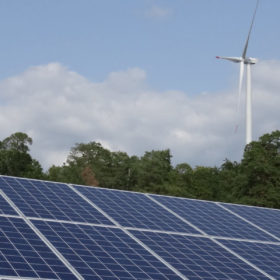
While it has seen a major shift in business and the financial markets with industry seizing the opportunities offered by decarbonization, the Australian government’s green bank has reported a record year of investment in 2017-18 with a total of $2.3 billion allocated for clean energy projects. The CEFC expects to stay on this investment trajectory in the year ahead, signaling potential asset recycling.
Trina introduces rooftop kit, aims at direct sales – interview
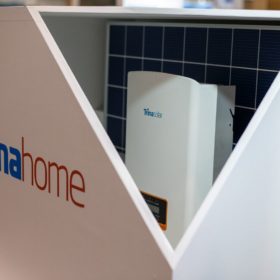
Chinese module manufacturer Trina Solar has launched its “all-in-one“ kit in Australia targeting the rooftop solar segment. Its expectations of the Aussie market are high, as the company continues to pursue overseas expansion to ride out the China government policy shake-up.
NSW launches energy transition program to propel large-scale renewables, storage
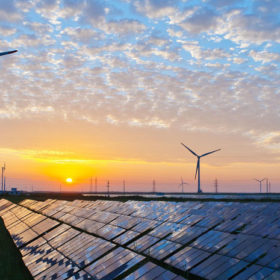
Looking to set the direction for a smart energy future, the New South Wales government has launched the Emerging Energy Program. As part of the scheme, funding will be provided to support the commercialization of new low-emissions, large-scale power generation and storage projects, as well as underpin feasibility studies to help get new projects off the ground.
Europe’s largest commercial and industrial PV storage testbed launched
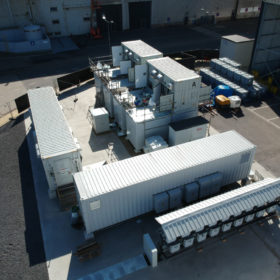
Testing lithium-ion, redox flow, and sodium-sulfur technologies, EPC provider CMI Energy wants to establish which types of system, or which combinations, are most suitable for different applications using the 4.2 MWh facility.