Celebrated inaugural hydrogen shipment now under investigation
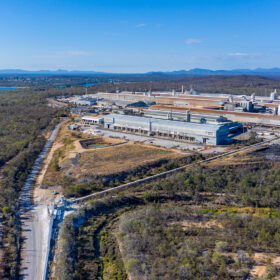
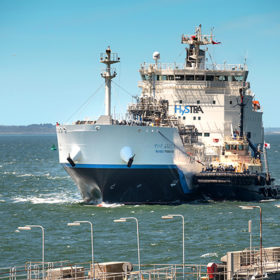
Hailed as a landmark for Australia’s vision of becoming a global hydrogen exporter, the Suiso Frontier’s first shipment of liquid hydrogen from Australia is now under investigation after a flame was seen coming from the gas combustion unit’s exhaust on deck.
Zinc-based battery tech for stationary applications unveiled by Indian startup
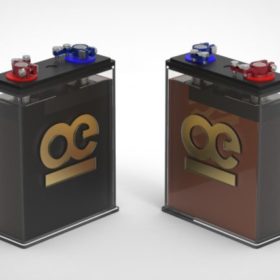
A startup incubated at the Indian Institute of Technology Kanpur has introduced ZincGel battery tech, which could offer significant savings for owners of two-wheel electric vehicles.
Radiative cooling for PV modules – challenges and prospects
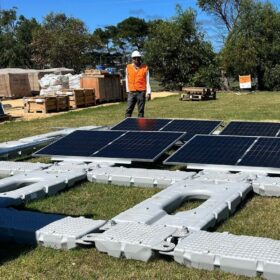
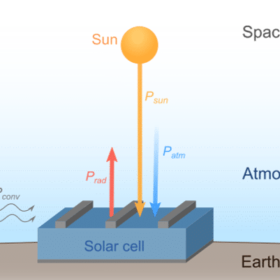
A group of international scientists has investigated the potential use of radiative cooling in PV systems, in a newly published review focusing on challenges and opportunities for the passive cooling technology.
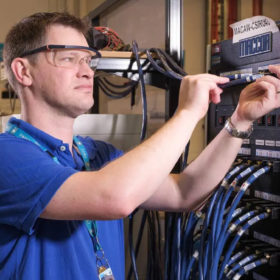
CSIRO to invest $50 million in storage tech of tomorrow
The CSIRO will invest $50 million in four new programs to drive critical breakthroughs in electric vehicle batteries and creating storage solution which could “mimic pumped hydro.”
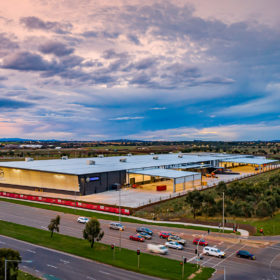
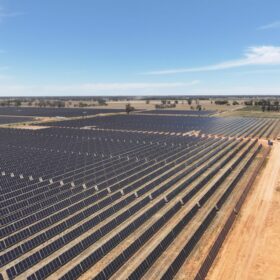
Mazda’s Melbourne facility fitted with 900kW solar system, reaching 100% carbon neutral energy use
Mazda Australia’s car part distribution centre in Melbourne has been fitted with a 900kW rooftop solar installation which is contributing to the centre, owned by Fraser Property Australia, now being 100% powered by carbon neutral energy.
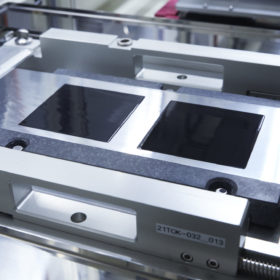
Mobility rEVolution: Nissan moves forward with in-house all-solid-state battery production
In other news, GM and Honda are jointly developing affordable EVs, the Biden administration holds an EV industry meeting, and Mercedes-Benz Energy agrees to supply EV batteries to BatteryLoop for its scalable, circular energy storage products.
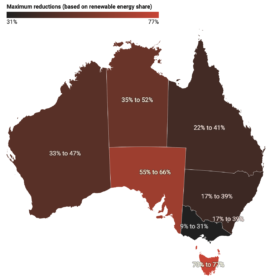
How climate-friendly is an electric car? It all comes down to where you live
If you’re thinking about buying an electric vehicle, whether due to soaring fuel prices or to lower your greenhouse gas emissions, where you live can make a huge difference to how climate-friendly your car is.
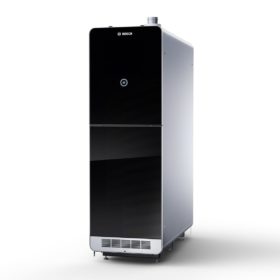
Bosch unveils hydrogen-compatible stationary fuel cell system
Bosch’s new solid oxide fuel cell prototype has an electrical efficiency of more than 60% and an overall efficiency above 85%. It also has a targeted power output of 10 kW and can produce up to 3 kW of thermal energy.
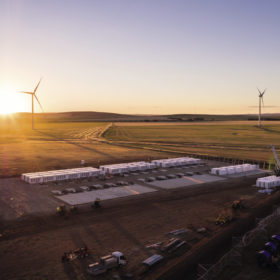
Weekend read: Big battery breach
In September 2021, not long after a fire at the Victorian Big Battery made international headlines, Neoen’s original “Big Battery” – the Hornsdale Power Reserve in South Australia – was sued by the Australian Energy Regulator for failing to provide all of the frequency control ancillary services it had agreed to offer. The case is now before Australia’s Federal Court, where the judgement could set an important precedent for network operations in Australia, as well as the transition to large-scale batteries.
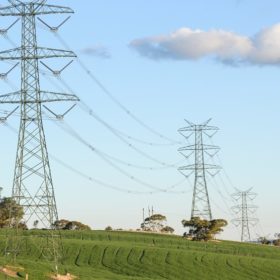
$75 million boost for Victoria to New South Wales Interconnector
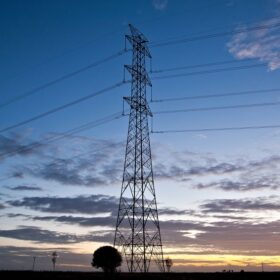
Transgrid and the Commonwealth Government have come to a $75 million underwriting agreement for the construction of the Victoria to New South Wales Interconnector West, a key piece of network infrastructure in the Australian Market Operator’s Integrated System Plan for the increased integration of renewables and maintaining reliability amidst the retirement of coal-fired power.