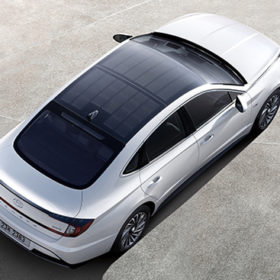
Hyundai enters the solar car race with new Sonata
Hyundai has unveiled its new hybrid, the Hyundai Sonata, complete with integrated solar cells. The Sonata’s unveiling joins Toyota and Lightyear in integrating solar PV wth EVs.
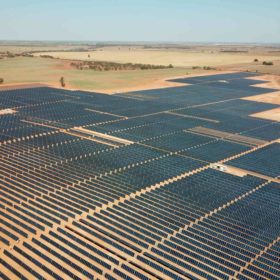
New solar guidelines in Victoria look to ease transmission strain
The Victorian Government has developed new guidelines in an effort to better direct the location, design and assessment of large-scale solar projects in Victoria. The new guidelines are an attempt to ensure future large-scale solar PV projects are more easily accessible to the electricity transmission network.
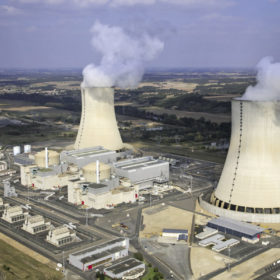
Nuclear: A poor investment strategy for clean energy
Study claims that investment in a new 1GW nuclear power plant leads to average losses of approximately 4.8 billion euros. It further argues that the technology’s dangerous radioactivity emissions and proliferation risks do not qualify it as a ‘clean’ energy solution to be considered for addressing climate change. Yet still, governments are incorporating the technology into clean energy plans around the world.
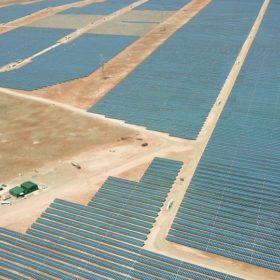
Queensland shortlists 10 renewable projects for CleanCo’s reverse auction
The Queensland government’s reverse auction got a step closer with the announcement of 10 shortlisted renewable energy proponents as it seeks to bring up another 400 MW of solar and wind energy and battery storage into the market.
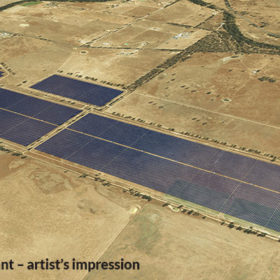
Kellogg’s inks solar offtake deal to power cereal production in NSW
All of Kellogg’s energy requirements for its NSW manufacturing operations will come from solar power. The cereal manufacturer has signed a power purchase agreement with the Beryl Solar Farm for the next seven-and-a-half years.
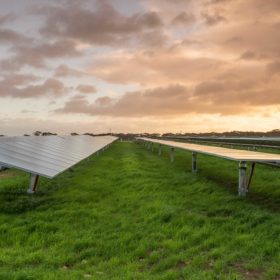
Terregra secures loan for its SA merchant solar farms
Private sector infrastructure fund manager Infradebt has provided a $7 million senior debt facility for Terregra’s Mobilong and Moyhall solar farms in South Australia.
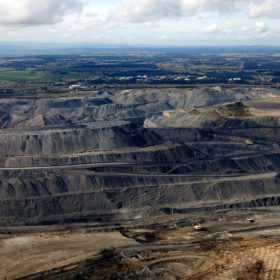
BHP to link executive compensation to reductions in emissions generated from the use of its products
Evaluating and reporting Scope 1-3 emissions is a landmark commitment, showing leadership towards the implementation of the Paris Agreement
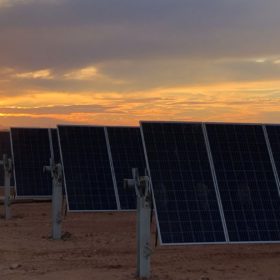
Green light for more big PV as South Australia’s wind and solar pipeline swells to 10 GW
With the approval for a 176 MW solar farm and 66 MW battery storage facility near Murray Bridge, South Australia’s utility-scale wind and solar pipeline has reached some 10 GW.
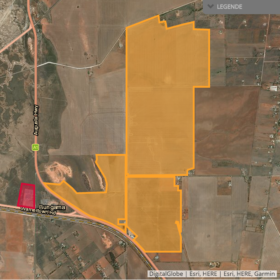
Another major solar+storage project waved through in South Australia
As it continues to drive renewables and energy storage, the South Australian government has given its tick of approval for the 280 MW Bungama Solar Farm coupled with a 140MW/560MWh battery storage facility proposed by EPS Energy.
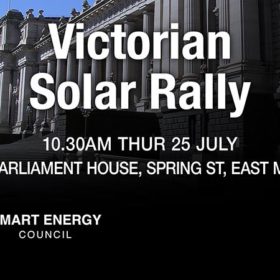
Victorian Solar Rally to take place on the steps of parliament this Thursday
The Smart Energy Council (SEC) promised action, and it isn’t bluffing. This Thursday, 25 July at 10:30am the Victorian solar community will rally on the steps of Victoria Parliament House. “The Victorian Government Don’t Get It!” goes the cry as solar workers lose their jobs and companies close in the aftermath of the Victorian Government’s Solar Homes Program, a sad lesson in the law of unintended consequences.