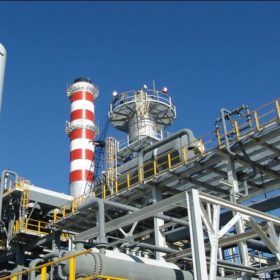
Australian duo make shortlist for 600MW NZ green hydrogen project
Two of Australia’s most prominent energy players, Fortescue Future Industries and oil and gas giant Woodside Energy have been included on a shortlist of potential development partners for a proposed 600MW green hydrogen production and export facility planned for New Zealand’s South Island.
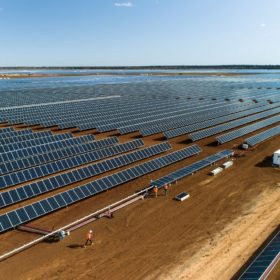
Investors float 40GW of renewable energy projects for Hunter-Central Coast REZ
Renewable energy investors have again shattered the New South Wales Government’s expectations with more than 80 clean energy projects representing more than $100 billion of potential investment registering for the Hunter-Central Coast Renewable Energy Zone.

Home battery subsidisation proposal garners widespread support
A bill which would make home batteries up to $3,000 cheaper nationwide has been tabled by Independent MP Helen Haines. Haines proposes making home batteries eligible for Small-scale Technology Certificates, the same scheme behind Australia’s thriving rooftop solar sector.

Victoria’s Solar Homes program extends with six VPPs offering ‘guaranteed benefits’ and extra protections
The Victorian government will be expanding its Solar Homes rebate program into the world of Virtual Power Plants (VPPs), announcing on Tuesday that households who install a battery and sign up to the pilot before July 2022 will receive a rebate of over $4000.
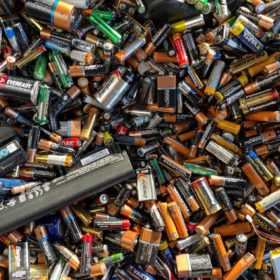
Australia launches its first national household battery recycling scheme
Australia’s first national battery recycling scheme, B-cycle, launched today giving Australians the opportunity to drop their spent household batteries at a collections bins in supermarkets, stores and community clubs across the country.
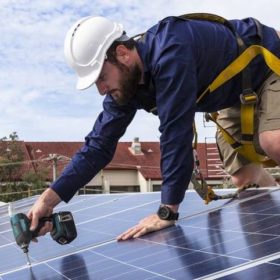
Program ‘switching’ concession payments for solar systems to be expanded
South Australia will extend its ‘Switch for Solar’ program in which eligible low-income residents can opt to have a solar system installed in exchange for their next ten years of government concession payments.
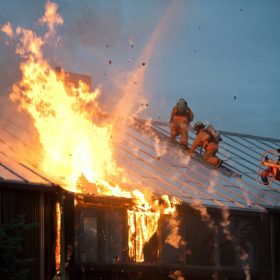
Lithium-ion home battery blaze in Adelaide reignites safety concerns
A fire caused by a lithium-ion home battery system in northern Adelaide over the weekend has led authorities to urge solar and battery owners to be vigilant with maintaining their systems.
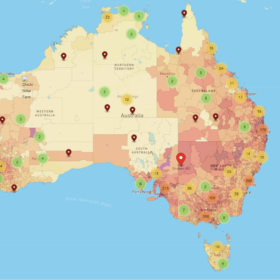
Australia passes 25GW of installed pv capacity, leading world with almost 1kW per person
Australia has hit a historic milestone, reaching 25GW of installed solar. As the Australian PV Institute noted on Monday, that’s more solar per capita than anywhere else in the world.
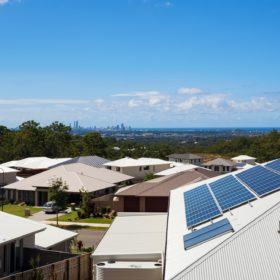
WA rolls out new rules to manage booming rooftop solar sector
Western Australia will today introduce new curtailment rules which will allow for all new and upgraded solar PV and battery energy storage installations with an inverter capacity of 5 kW or less to be remotely turned down or switched off in emergency situations.
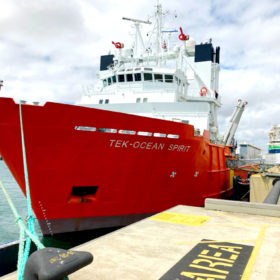
Major marine survey launched for proposed $3.5 billion transmission project
The proposed 1.5 GW Marinus Link transmission project, which would link Tasmania and the Australian mainland via an undersea electricity interconnector, has reached another milestone with the launch of a new engineering survey which aims to identify the most suitable corridor for the cables.