Vertical agrivoltaic pilots in France find improved yields and less water stress
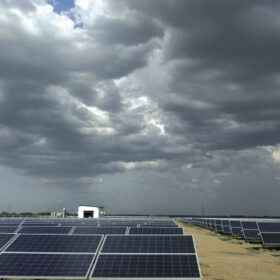
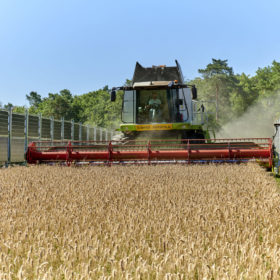
French energy giant TotalEnergies studied the impact of solar panels on crops in order to develop a repository of agronomic benefits. The initial results show an increase in agricultural yields on field crops and a reduction in water stress.
France defines standards for agrivoltaics
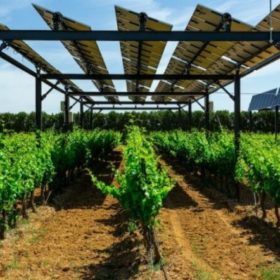
France’s environmental agency Ademe has released a set of new guidelines that clearly define “agrivoltaics.”
Grazing animals increase carbon sequestration by up to 80% in PV projects
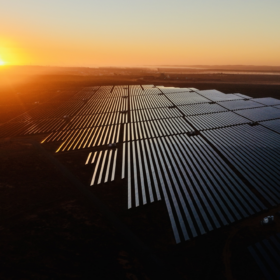
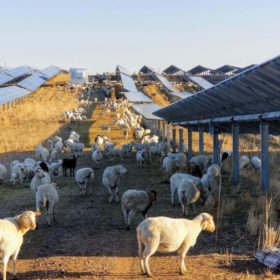
Temple University researchers have found that managed sheep grazing on an acre of recovering agricultural soil with native plants may sequester 1 ton of carbon per year, which could accumulate for 12 to 15 years before reaching saturation.
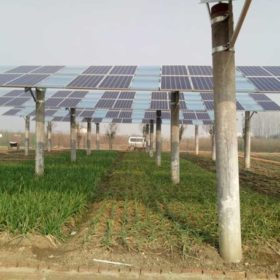
Novel plant design for agrivoltaics improves yield
Developed by Chinese researchers, the novel design methodology consists of utilising metal brackets as mounting structures, conventional solar panels, and a grooved glass plate placed between the solar panels. According to its creators, it ensures a farmer’s average income increases by 5.14 times, including the solar power generation business. A system built with this approach should cost around €715 (AU$1145) per kW installed.
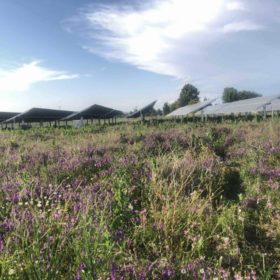
Shaded solar parks found to be beneficial for pollinators and plants alike
Researchers in the US ascertained that the partial shading provided by solar parks creates a microclimate that favours the abundant growth of more varied flowers and pollinators. They also found that partial shading increases bloom abundance by delaying bloom timing, increasing forage for pollinators during the hot and dry late season.
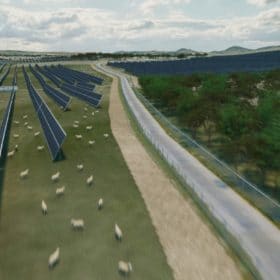
120 MW agrivoltaic Wallaroo Solar Farm set for 2021 construction
Spanish-Japanese renewable energy company Univergy Solar and local partner New Energy Developments are set to begin construction on the 120 MW Wallaroo Solar Farm on the NSW/ACT border by the end of 2021. The agrivoltaic installation will operate symbiotically as a generator of clean energy, grazing land, and a thriving habitat for native vegetation and pollinators.

Tesvolt wins second international award for WA avocado farm project
German battery supplier and integrator Tesvolt has been recognized by the Alliance for Rural Electrification for its battery 48 kWh project at an avocado farm in Pemberton, in WA’s Southwest. The project integrates the lithium ion system with a 160 kWh saltwater battery and 53 kW solar array – allowing the farm to become 100% self sufficient.
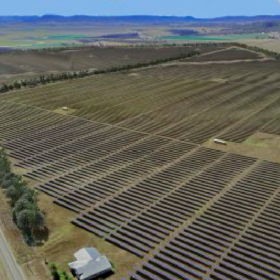
64 MW Warwick project helps UQ go 100% renewable
The University of Queensland (UQ) will offset 100% of its electricity needs with renewables by 2020. The milestone will be achieved through existing rootop PV arrays, and a freshly approved 64 MW solar farm near Warwick, in the state’s Southern Downs region.