Industry data showcases Australia’s residential solar boom
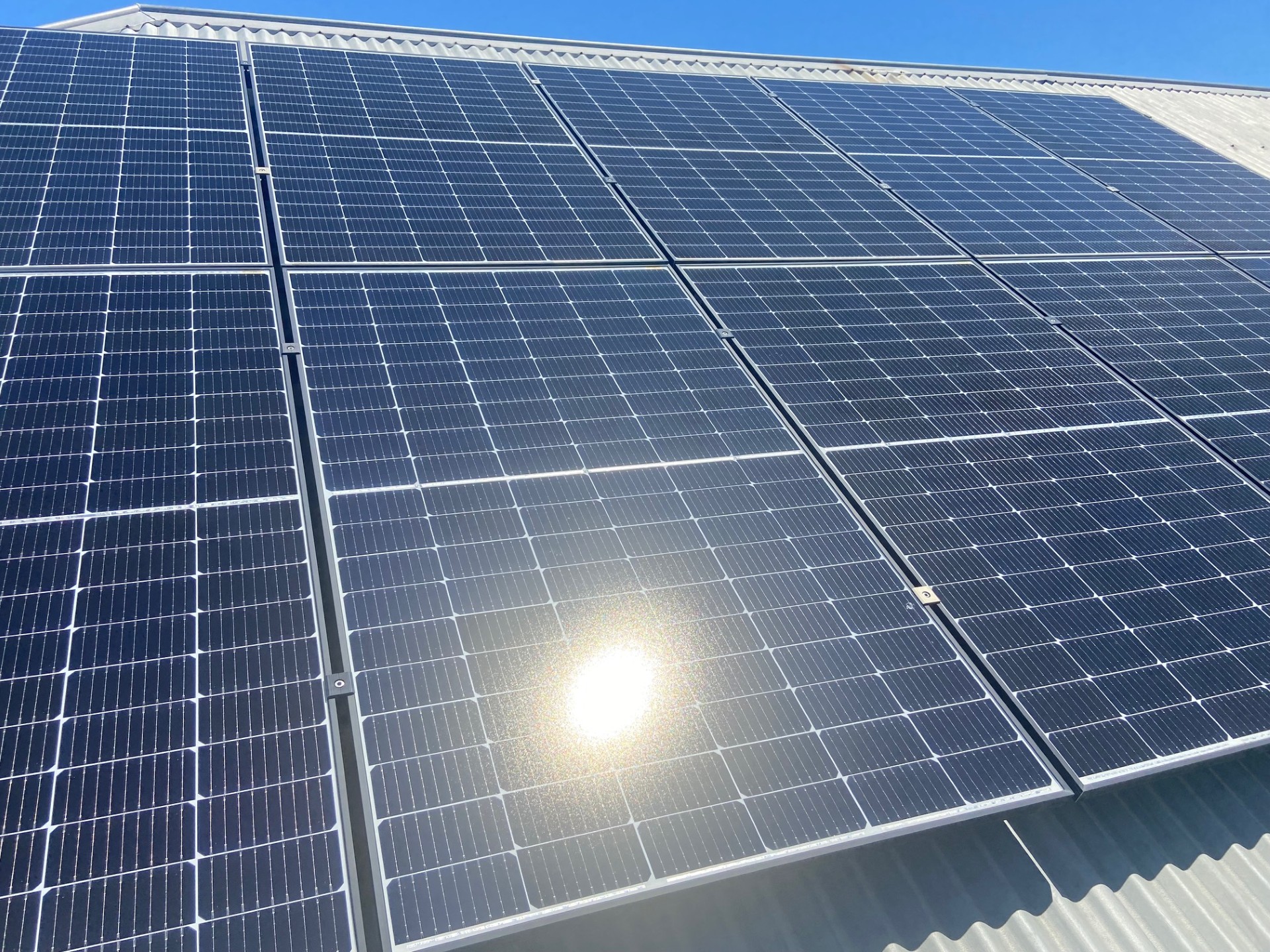
Cumulative installation figures further illustrate the scale of the sector’s growth, with a total 4,368,164 rooftop solar systems totaling more than 28.3 GW capacity installed across Australia, alongside 284,580 small-scale battery energy storage systems. (Note: 2025 solar battery data is only available from 1 July 2025, when solar batteries became eligible under the Small-scale Renewable Energy Scheme according to Clean Energy Regulator).
The figures showcase the continued expansion of distributed energy resources and the increasing role of residential solar in Australia’s broader energy transition.

The historical data highlights the upward trajectory of the country’s adoption of rooftop solar. Early-stage deployment remained relatively limited, with less than 65,000 installations recorded in 2009. The market however accelerated significantly in the following years, driven by policy incentives, declining installation costs, and increasing consumer awareness.
Installer-level data provides additional insight into recent activity. According to the Solar 365 May 2026 Report, the company installed 600 solar systems in the first four months of this year with an annual target of more than 4,000. This compares with the 2,500 systems installed in 2025 and 1,200 installed in 2024.
While this dataset reflects a single installation company, it highlights continued strong growth in the residential solar segment, reflecting ongoing market expansion and increasing customer adoption.
The growth of rooftop solar sector is now being mirrored by the small-scale battery storage market with energy storage emerging as a key technology in Australia’s clean energy transition with the federal government’s Cheaper Home Batteries rebate program, introduced in July 2025, having a significant effect on the market.
In the first six months following the launch of the rebate scheme, 165,979 batteries were installed and 28.4% of all new rooftop solar installs included an energy storage system.
The total number of batteries installed under the Cheaper Home Batteries Program has now climbed to more than 380,000 installations, delivering more than 10 GWh of capacity.
Those figures showcase the shift toward integrated solar and storage systems, with households increasingly adopting batteries to improve energy self-consumption and reduce reliance on the grid.
Long-term installation data provides a detailed view of Australia’s solar growth trajectory, showing a transition from early adoption to large-scale deployment.

The data shows strong growth between 2009 and 2012, followed by stabilisation and another growth phase from 2018 onward. The inclusion of battery systems from 2025 onwards marks a structural shift in the market.
Role of solar platforms in Australia’s solar growth
Various digital platforms have contributed to the expansion of Australia’s residential solar market by improving access to information, pricing transparency, and installer comparisons. These platforms typically act as intermediaries between customers and installers.
A key function of these platforms is customer education. By breaking down technical aspects such as system sizing, panel efficiency, warranties, and battery integration, they reduce complexity and support more informed purchasing decisions.
Platforms such as Solar Quotes and Solar Panels and Battery Package, along with bundled solution offerings like solar packages, illustrate how the market has evolved to become more transparent and user-focused. Collectively, these platforms have played a supporting role in increasing consumer confidence and accelerating the adoption of residential solar systems across Australia.
Financial performance remains a primary factor influencing residential solar adoption.
Based on a standard 6.6 kW system, consumers can expect to save about $1,500 per year on their energy bill with a payback period of three to four years after applying the rebate. Those who install a battery can expect savings of about $3,000 per annum.
The figures reinforce the economic viability of installing solar, particularly when combined with battery storage.
Future projections suggest continued expansion of rooftop solar capacity across Australia with key outlook figures including 36 GW rooftop solar installation target and 82% of electricity from renewables by 2030.
Long-term projections indicate 53 GW to 71 GW of rooftop solar capacity by 2050, depending on adoption trends.
These projections, combined with strong financial returns and ambitious national targets, indicate that residential solar – and increasingly battery energy storage – a will continue to play a critical role in Australia’s energy landscape in the coming decades.
Author: Prince Rajput, Team Leader, Solar 365
The views and opinions expressed in this article are the author’s own, and do not necessarily reflect those held by pv magazine.
This content is protected by copyright and may not be reused. If you want to cooperate with us and would like to reuse some of our content, please contact: [email protected].
Please login to comment