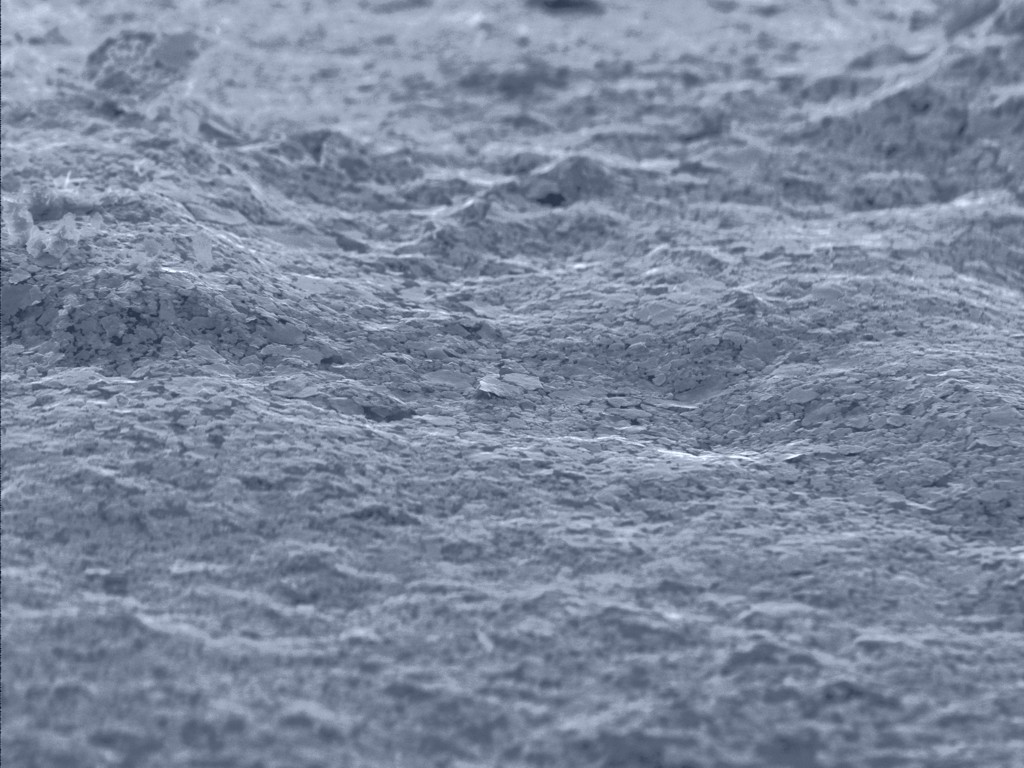





The recent surge in silver prices has eased slightly, with prices per troy ounce now just below the all-time high of over USD 94 ($135) per troy ounce reached earlier this week. Following announcements by Chinese module manufacturer Longi announced that it is moving toward copper-based metallization, and by China-based metallization paste supplier DK Electronic Materials that a gigawatt-scale customer will adopt its high-copper paste for commercial production, 2026 could mark a key milestone in the PV industry’s phase-down of the costly metal.
“I do think that the industry will follow in those footsteps, as the PV industry is a ‘follower industry.” When the big players start with something, the others follow,” Radovan Kopecek, the co-founder and director of German research institute the International Solar Energy Research Center Konstanz (ISC Konstanz), told pv magazine. “An immediate transition to copper is technically and economically feasible. Copper screen printing can be implemented quickly, and we have received many inquiries about it.”
According to Kopecek, project developers are “absolutely” ready to embrace copper-metallized products, adding that when the technology is properly implemented, performance does not differ from that of silver-metallized modules. “However, I do not expect the industry to abandon silver completely,” he said. “Silver will remain at around 2 mg to 3 mg per watt, as it is still needed for firing through, as a diffusion barrier, and to establish contact with the emitter.”
Ning Song, from the University of New South Wales (UNSW), explained that even if adopting a high-copper paste results in a small efficiency drop, the price trade-off should be acceptable to manufacturers. “That trade-off is acceptable if it does not introduce new reliability risks. Ultimately, the decision depends on how well the efficiency loss can be offset at the module and system level,” she told pv magazine.
Song’s team is currently working to identify practical pathways to reduce silver usage in PV cells, both through incremental improvements to existing screen-printed metallization and longer-term exploration of alternative paste systems. “In the short term, aggressive silver thrifting within existing screen-printing processes is the most commercially ready option, as it minimizes disruption to current manufacturing lines,” she stated.
“From a purely technical perspective, the most promising long-term solution is the one that delivers the best combination of low contact resistance, minimal recombination losses at the contacts, high conductivity, sufficient ductility to enable narrow, well-shaped gridlines with reduced optical shading, and robust long-term reliability,” she said. “That is regardless of the specific metal used.”
This content is protected by copyright and may not be reused. If you want to cooperate with us and would like to reuse some of our content, please contact: editors@pv-magazine.com.




By submitting this form you agree to pv magazine using your data for the purposes of publishing your comment.
Your personal data will only be disclosed or otherwise transmitted to third parties for the purposes of spam filtering or if this is necessary for technical maintenance of the website. Any other transfer to third parties will not take place unless this is justified on the basis of applicable data protection regulations or if pv magazine is legally obliged to do so.
You may revoke this consent at any time with effect for the future, in which case your personal data will be deleted immediately. Otherwise, your data will be deleted if pv magazine has processed your request or the purpose of data storage is fulfilled.
Further information on data privacy can be found in our Data Protection Policy.