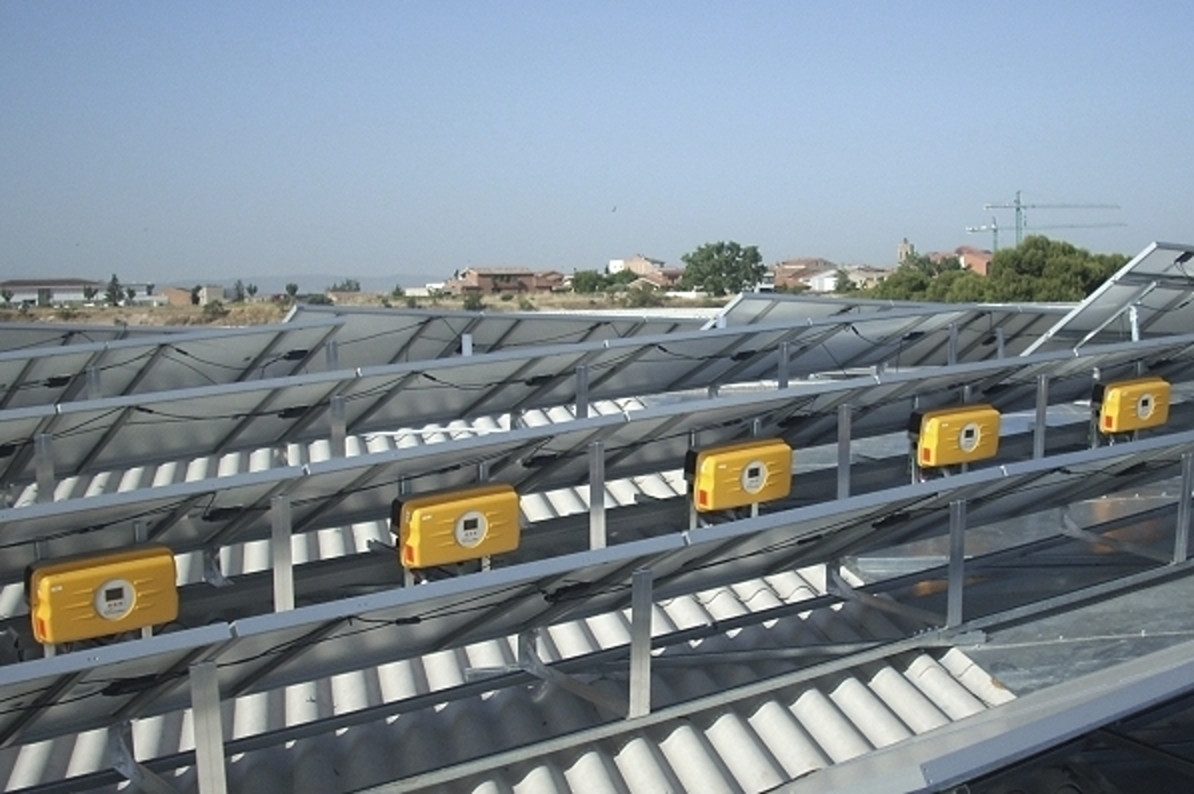





A research group, comprising scientists from the University of Technology Sydney, energy resources management company Diagno Energy, and the University of New South Wales has developed a novel rule-based method for detecting and classifying underperformance in PV systems, using only inverter data from the alternating current (AC) side.
The method was validated using more than 1,000 PV systems across Australia, with more than 2,000 inverter monitors.
“Motivated by the need for reliable, low-cost underperformance detection in distributed PV systems, the proposed approach eliminates reliance on high-resolution direct current (DC) side measurements or complex sensor infrastructure,” the research group said. “This work addresses a critical gap in current performance monitoring practices, offering a robust, low-intervention solution for PV fleet operators seeking to improve reliability, fault response, and economic performance at scale.”
The novel method follows a five-step process.
Step one gathers and preprocesses all required data from the PV system. Inputs include AC power data at five-minute intervals, along with basic metadata such as system size, location, tilt, and azimuth.
Step two compares the expected generation under prevailing meteorological conditions with the measured output.
Step three applies daily if-then rules to detect underperformance. Major underperformance is flagged if actual generation falls below 60% of expected output for at least three consecutive non-cloudy days. Minor underperformance is recorded when generation is below 80% of expected for seven consecutive days. Additional algorithms identify systematic weekday–weekend variations that may indicate scheduled maintenance, as well as seasonal performance issues.
Step four uses algorithms based on five-minute data points to classify the type of underperformance. Specific routines detect generation tripping to zero, non-zero tripping, generation clipping, zero output, recurring underperformance, power flow anomalies, and excessive generation.
Step five produces a report summarizing flagged events, their severity, and the identified fault type.

The proposed method was demonstrated in a case study that included 1,089 PV systems and 2,213 inverter monitors located throughout Australia, with five-minute resolution over the period from January 2021 to 14 September 2023.
The capacities ranged from small residential with less than 10 kW capacity to large installationsover 50 kW, spread across eight Australian states and territories.
To validate the system, the team uses a list of 807 manually labeled faults from 177 PV sites.
“The results of this dataset showed strong classification accuracy for major and minor underperformance (92% and 88%, respectively), with a lower accuracy for more ambiguous categories such as generation clipping (56%),” the group said. “These findings suggest opportunities to refine detection thresholds and better align algorithmic definitions with industry interpretations.”
The researchers said future work would focus on improving threshold tuning, reducing false positives, and incorporating complementary data sources, such as event logs, to enhance system robustness. They added that these approaches could ultimately support the development of low-intervention, integrated monitoring systems capable of ensuring sustained performance and safety across a range of PV installations.
Their findings appeared in “A robust rule-based method for detecting and classifying underperformance in photovoltaic systems using inverter data,” published in Solar Energy.
This content is protected by copyright and may not be reused. If you want to cooperate with us and would like to reuse some of our content, please contact: editors@pv-magazine.com.



By submitting this form you agree to pv magazine using your data for the purposes of publishing your comment.
Your personal data will only be disclosed or otherwise transmitted to third parties for the purposes of spam filtering or if this is necessary for technical maintenance of the website. Any other transfer to third parties will not take place unless this is justified on the basis of applicable data protection regulations or if pv magazine is legally obliged to do so.
You may revoke this consent at any time with effect for the future, in which case your personal data will be deleted immediately. Otherwise, your data will be deleted if pv magazine has processed your request or the purpose of data storage is fulfilled.
Further information on data privacy can be found in our Data Protection Policy.