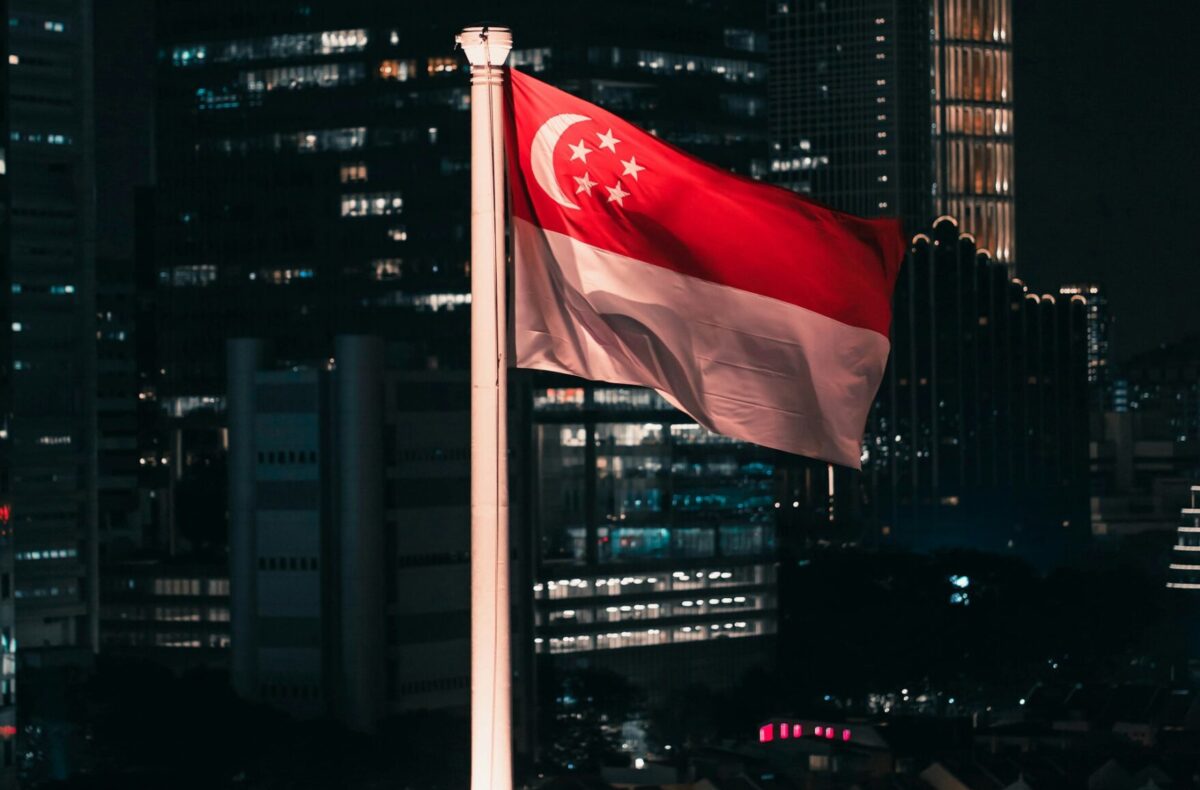





Singapore has pushed up its 2030 solar deployment target from 2 GW to 3 GW.
The 1 GW increase comes after the country surpassed the 2 GW solar threshold during 2025. According to Singapore’s Energy Market Authority (EMA), the government will ramp up efforts to deploy solar across more surfaces, continuing to deploy on rooftops, land and water while exploring new innovations including solar on canopies at open-air car parks.
More than 80% of Singapore’s current solar capacity comes from rooftop solar. Installations have been supported by several government-led incentives, such as the SolarNova program aimed at deploying solar on public buildings including public housing and the SolarRoof and SolarLand programs that target industrial rooftops and vacant land.
EMA says that the payback period for home solar has reduced to as little as five years, due to declining solar panel costs. Owners of solar systems in Singapore can also sell the energy generated via renewable energy certificates.
Chief Executive of the energy authority, Puah Kok Keong, says Singapore is already one of the world’s most solar-dense cities.
“We are committed to maximizing opportunities for solar deployment while pursuing other low-carbon energy pathways. Our new solar target reflects Singapore’s commitment to building a cleaner, more resilient energy system,” he said. “This important initiative requires strong collaboration across government, industry and the community.”
Analysis by UK-based consultancy GlobalData published at the start of the year found Singapore is currently on track to reach 3.2 GW of solar by the end of this decade, ahead of surpassing the 5 GW threshold by 2034.
Singapore’s electricity system relies heavily on natural gas, currently accounting for approximately 95% of power generation. EMA’s own analysis says solar can realistically contribute only up to around 10% of Singapore’s projected energy needs by 2050, despite being the main source of renewables that can be harnessed domestically.
Last week, Singapore’s Deputy Prime Minister and Minister for Trade and Industry, Gan Kim Yong, said during a round of questioning that the government is looking to maximise the deployment of domestic solar but also stressed that Singapore remains alternative-energy disadvantaged.
The minister said the government will explore other potential energy pathways to decarbonise the power system, including the introduction of next generation gas-fired power plants that have a lower carbon footprint than today’s power plants and importing low-carbon electricity from its neighbours.
“The pace of our decarbonisation will ultimately depend on technological advancements and the extent to which other countries are prepared to cooperate with us,” Yong said.
In June, Singapore and Indonesia unveiled plans to develop a solar panel industry in the Riau Islands of Indonesia as part of broader cross-border clean energy trading initiatives. Since then, Singapore’s Equator Renewables Asia and China’s CRE International Co. Ltd have agreed to jointly develop a 900 MW solar and 1.2 GWh battery project in Indonesia, with 400 MW (AC) slated for export to Singapore.
In October, Singapore conditionally approved a 1 GW hydropower import project from Malaysia.
This content is protected by copyright and may not be reused. If you want to cooperate with us and would like to reuse some of our content, please contact: editors@pv-magazine.com.

By submitting this form you agree to pv magazine using your data for the purposes of publishing your comment.
Your personal data will only be disclosed or otherwise transmitted to third parties for the purposes of spam filtering or if this is necessary for technical maintenance of the website. Any other transfer to third parties will not take place unless this is justified on the basis of applicable data protection regulations or if pv magazine is legally obliged to do so.
You may revoke this consent at any time with effect for the future, in which case your personal data will be deleted immediately. Otherwise, your data will be deleted if pv magazine has processed your request or the purpose of data storage is fulfilled.
Further information on data privacy can be found in our Data Protection Policy.