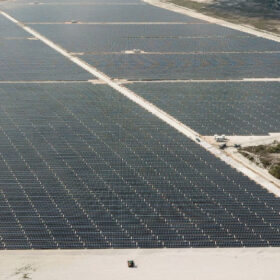
The world added 605 GW of new PV capacity in 2025, says IEA
Latest report from the International Energy Agency says last year’s 600 TWh increase in solar PV was the largest-yet electricity generation increase by any source in one year, outside of periods of post-crisis recovery.

Philippines announces 7th renewables auction with focus on solar
The country’s seventh green energy auction is set to procure rooftop, ground-mounted and floating solar projects across the Philippines, with increased allocation in Mindanao. The Department of Energy plans to release the auction’s terms of reference during the second quarter of this year.
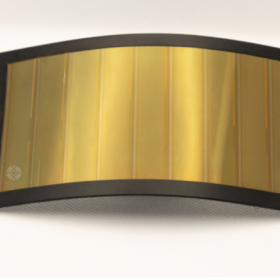
Halocell Energy, Sofab Inks advance perovskite collaboration
An ongoing collaboration between New South Wales-based Halocell Energy and Sofab Inks finds that perovskite modules incorporating Sofab’s Tinfab electron transport layer maintain approximately 100% of their normalised efficiency after 1,300 hours under accelerated combined light and damp-heat testing.
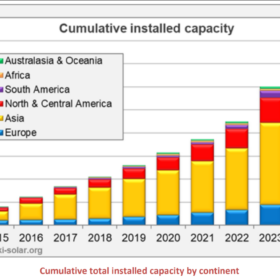
Large-scale solar surpasses 1 TWac worldwide
Analysis from Wiki-Solar finds the world’s 33 largest utility-scale solar markets had a cumulative capacity of 1,008 GWac by the end of last year.
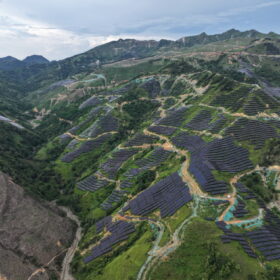
Global solar additions reached record 511 GW in 2025, says IRENA
Latest figures from the International Renewable Energy Agency show solar contributed the majority of a record 692 GW of renewables capacity added worldwide last year.
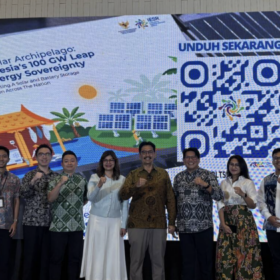
Indonesia’s path to 100 GW of solar
A study from the Institute for Essential Services Reform and Indonesia’s Coordinating Ministry for Economic Affairs explores how Indonesia can turn its target of deploying 100 GW of solar from mandate to mobilisation.
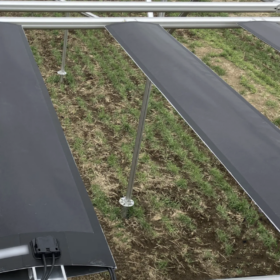
Sekisui-led consortium testing film-type perovskite solar for agrivoltaics
A Japanese consortium is piloting agrivoltaics using film-type perovskite solar cells over rice paddies to study energy generation alongside crop production. The three-year project will assess impacts on rice yield, land use, and emissions while testing the technology’s performance and commercial viability.
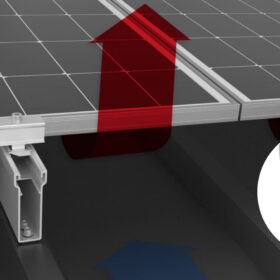
K2 Systems unveils elevated PV mounting solution for metal roofs
The K2 MultiRail High mounting system is a one-piece elevated solution with a height of 100 mm tailored to improve rear ventilation on metal roofs. K2 Systems says greater distance between modules and metal roof surface improves airflow and lowers module temperature, which can translate to higher annual energy yield.
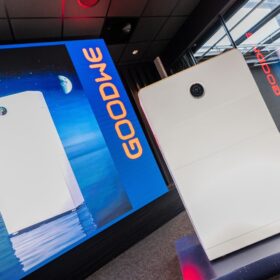
GoodWe introduces low-noise all-in-one storage system for rooftop solar
The three phase energy storage system encompasses the inverter, battery and energy management into a single system, suited for residential customers and scalable to the small-scale commercial and industrial market.

Singapore raises 2030 solar target to 3 GW
Singapore has increased its 2030 solar target by 1 GW after surpassing the original 2 GW goal before the end of last year.