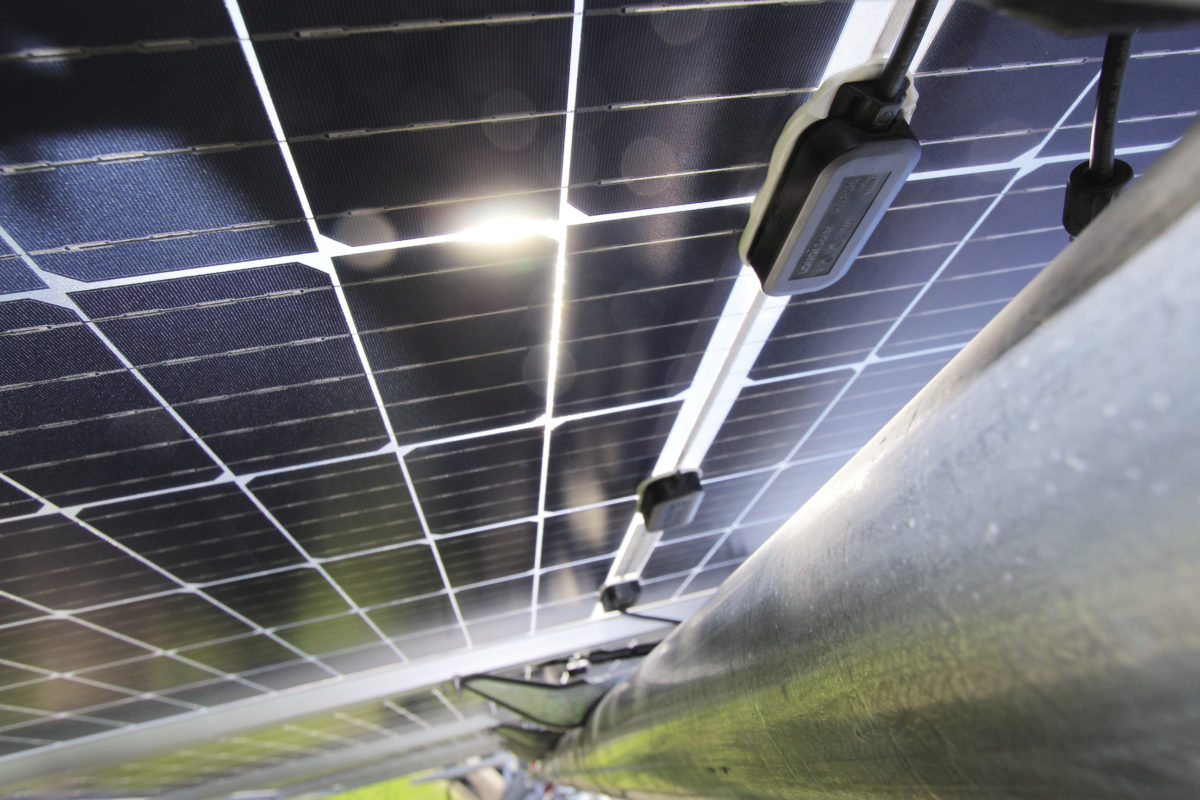





RatedPower data shows that bifacial modules now feature in more than 90% of utility-scale PV projects prepared on its cloud-based solar design platform, while string inverters account for more than 50% of project simulations.
RatedPower, part of United States-headquartered software and data analytics provider Enverus, said technology trends are reshaping the industry with bifacial modules expected to reach 95% market share by 2032.
“Market share is expected to climb from 90% today to 95% within the next decade, driven by performance gains and material efficiency,” RatedPower said.
In its 2026 Global Renewable Energy Trends Report, RatedPower also noted that string inverters are firming as the preferred choice for large-scale solar development, reflecting a shift toward modular and grid‑responsive system designs.
“String inverters now hold 54.2% of the utility-scale on-grid inverter market, driven by their modular design, ease of installation, and cost effectiveness,” RatedPower said, adding that the data also shows a clear shift toward advanced trackers in large-scale solar projects.
“Single and dual-axis tracking systems are particularly attractive for ground-mounted PV installations in regions with high direct irradiation, such as the United States, Brazil, Australia, and Chile,” it said. “Yield gains can range from 15–35% for single-axis and 25–50%16 for dual-axis trackers compared with fixed systems and can justify the additional investment in these locations.”
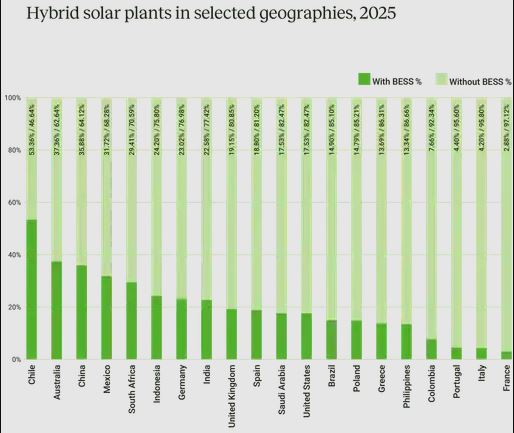
The report also highlights that hybridisation of solar and storage is rapidly becoming the preferred model in the energy transition with industry professionals consistently identifying energy storage, flexible dispatch, and improved grid coordination as essential to protecting project economics.
“Platform data confirms rapid growth in hybrid solar‑plus‑storage projects, rising from 12% of simulations in 2024 to 20% by Q4 2025, with AC‑coupled BESS used in 83% of cases,” RatedPower said, adding that “as hybrid systems mature, they promise to mitigate curtailment and stabilise grids, provided policy and market structures keep pace.”
Standalone battery storage is also attracting increased commercial interest with standalone BESS now representing 3% of total simulations.
RatedPower’s 2026 Global Renewable Energy Trends Report draws on data from more than 64,000 solar and storage projects designed using the company’s software platform over the past five years, representing more than 5.1 TW of simulated capacity.
The company said the report provides a data‑driven view of how renewable energy markets are evolving as deployment accelerates and system constraints intensify.
RatedPower said survey results indicate global renewable momentum remains robust with renewables are on track to supply an estimated 45% of global electricity by 2030, with solar and wind adding close to 1,000 TWh by 2026.
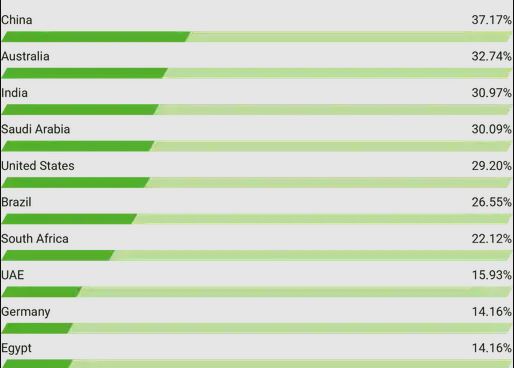
Australia is among the countries with the strongest growth potential, identified by 32% of survey respondents as a high-potential region, edged out by China (37%) only with India (31%), Saudi Arabia (30.1%), and the United States (29.2%) rounding out the top five.
Despite this momentum, challenges persist, including delays, grid bottlenecks, and skills shortages.
“While confidence in the sector’s long‑term outlook remains high, grid saturation and instability and permitting and regulation remain the most cited challenges,” RatedPower said.
“Importantly, grid-related concerns have persisted at elevated levels for four consecutive years, underscoring that congestion and curtailment are becoming structural rather than temporary challenges in high-penetration regions.”
This content is protected by copyright and may not be reused. If you want to cooperate with us and would like to reuse some of our content, please contact: editors@pv-magazine.com.



By submitting this form you agree to pv magazine using your data for the purposes of publishing your comment.
Your personal data will only be disclosed or otherwise transmitted to third parties for the purposes of spam filtering or if this is necessary for technical maintenance of the website. Any other transfer to third parties will not take place unless this is justified on the basis of applicable data protection regulations or if pv magazine is legally obliged to do so.
You may revoke this consent at any time with effect for the future, in which case your personal data will be deleted immediately. Otherwise, your data will be deleted if pv magazine has processed your request or the purpose of data storage is fulfilled.
Further information on data privacy can be found in our Data Protection Policy.