




From pv magazine Global
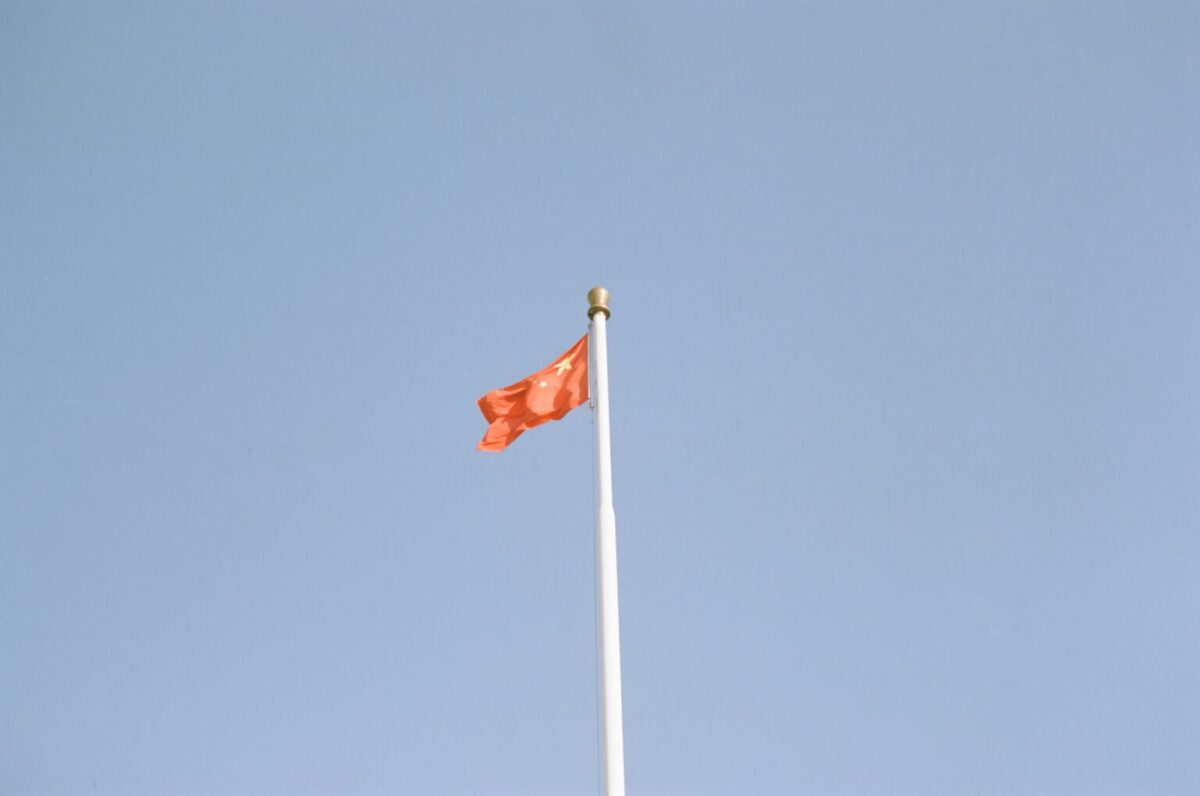
China has formally adopted its 15th Five-Year Plan, using its primary medium-term policy framework to place renewable energy and broader clean power development more firmly at the center of national economic strategy.
For the renewables sector, the significance of the 2026-30 plan lies less in a single deployment target than in its clearer framing of clean electricity as the main source of future power growth and a core enabler of industrial restructuring.
Compared with the 14th Five-Year Plan, which focused on accelerating wind and solar deployment alongside large utility-scale bases supported by storage and long-distance transmission, the new plan shifts emphasis toward energy substitution and system value.
It states that incremental electricity demand should be met by incremental clean power generation, while fossil fuel consumption is to peak during the period. This marks a change in policy language: renewables are no longer treated primarily as additional capacity, but increasingly as the foundation of future economic growth.
The plan’s concept of a “new energy system” gives this shift more practical definition. It links renewable expansion not only to wind and solar, but also to hydropower, offshore wind, nuclear, pumped hydro storage, interprovincial power exchanges, and new transmission corridors.
These include routes from major clean energy bases in Inner Mongolia, Gansu, Qinghai, Ningxia, Xinjiang, Tibet, and eastern coastal regions.
State media summaries indicate that by 2030, non-fossil energy is expected to account for about 25% of total energy consumption, while west-to-east transmission capacity is set to exceed 420 GW.
This broader system framing reflects the scale already reached by China’s renewable buildout, where grid integration, balancing resources, and coordination with demand centers are increasingly critical.
The plan also points to closer alignment between clean power supply and demand, including electrified transport, green-fuel shipping, zero-carbon industrial parks, and the relocation of energy-intensive industries toward regions with abundant renewable resources.
In this context, renewable energy policy is positioned as part of a wider industrial and regional development strategy, rather than solely a decarbonisation pathway.
The plan aligns with recent signals from China’s energy authorities on longer-term deployment. The National Energy Administration reported that cumulative wind and solar capacity surpassed 1.8 TW by the end of 2025, and has indicated a target of more than 3.6 TW by 2035, implying a doubling over the next decade.
Seen in this context, the 15th Five-Year Plan represents the first full implementation phase of that longer-term trajectory.
For investors, developers, equipment suppliers, and grid operators, the importance of the plan is institutional as much as numerical. Five-year plans in China function not only as policy statements, but as guiding frameworks for investment approvals, infrastructure planning, land allocation, and local industrial strategy.
The latest plan reinforces that future power demand growth, industrial relocation, and a growing share of economic development will be built around clean electricity and the systems required to support it.
This content is protected by copyright and may not be reused. If you want to cooperate with us and would like to reuse some of our content, please contact: editors@pv-magazine.com.





By submitting this form you agree to pv magazine using your data for the purposes of publishing your comment.
Your personal data will only be disclosed or otherwise transmitted to third parties for the purposes of spam filtering or if this is necessary for technical maintenance of the website. Any other transfer to third parties will not take place unless this is justified on the basis of applicable data protection regulations or if pv magazine is legally obliged to do so.
You may revoke this consent at any time with effect for the future, in which case your personal data will be deleted immediately. Otherwise, your data will be deleted if pv magazine has processed your request or the purpose of data storage is fulfilled.
Further information on data privacy can be found in our Data Protection Policy.